

Over my years working in the commercial display industry, I have seen countless businesses make the exact same costly mistake. A business owner wants to attract more street traffic. Therefore, they buy a standard indoor television, stick it in a cheap custom enclosure outside, and hope for the best.
What happens next? The screen goes completely black during the first hot summer day. Moisture ruins the internal electronics after a week of rain. Ultimately, the business wastes thousands of dollars and looks highly unprofessional to its customers.
You cannot cut corners when buying exterior displays. Investing in professional outdoor digital signage requires a deep understanding of specialized hardware. You must balance weather resistance, screen brightness, and software compatibility perfectly.
As an experienced manufacturing expert at Grandview, I wrote this comprehensive guide to help you navigate this complex process. We will explore the critical hardware specifications you actually need. Furthermore, I will share insider tips to help you avoid common purchasing traps. Let us dive into the ultimate selection guide.
What is Outdoor Digital Signage? (Indoor vs. Outdoor)
First, we must define the core differences clearly. An outdoor display looks similar to a living room TV, but the internal engineering is entirely different. Manufacturers build commercial exterior screens to survive brutal environmental punishment. They operate flawlessly 24 hours a day, 7 days a week.
I always tell my clients to think of an exterior display as a rugged military vehicle. In contrast, an indoor screen is just a standard family car. You would never drive a family car into a harsh desert storm.
To make this concept clearer, I created a quick comparison table for you.
Table 1: Indoor vs. Outdoor Display Differences
| Feature | Standard Indoor Screen | Professional Outdoor Digital Signage |
|---|---|---|
| Water & Dust Protection | None (IP20) | Fully Sealed (IP65 or IP68) |
| Brightness Level | 200 – 400 Nits | 2000 – 4000+ Nits |
| Temperature Range | 32°F to 104°F | -22°F to 122°F |
| Glass Type | Standard Fragile Glass | Anti-Vandalism Tempered Glass (IK10) |
As you can clearly see, true exterior screens dominate every single durability category. Let us explore these critical hardware specifications in deeper detail.
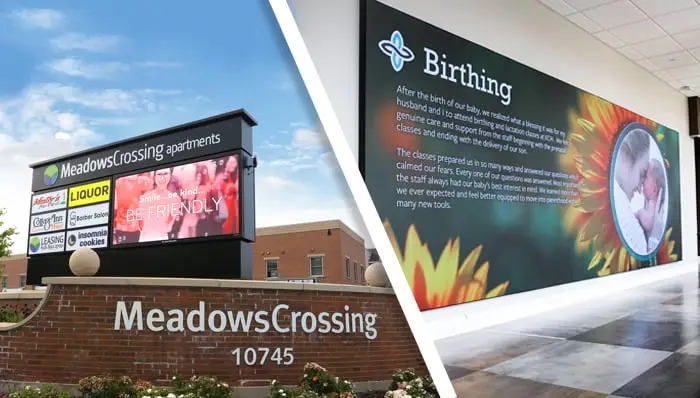
Core Hardware Specs: Built for Extreme Environments
Hardware quality determines the lifespan of your commercial investment. If you buy cheap hardware, your screen will fail quickly. We focus on three major durability categories during our manufacturing process at Grandview.
IP Ratings and Environmental Ruggedness
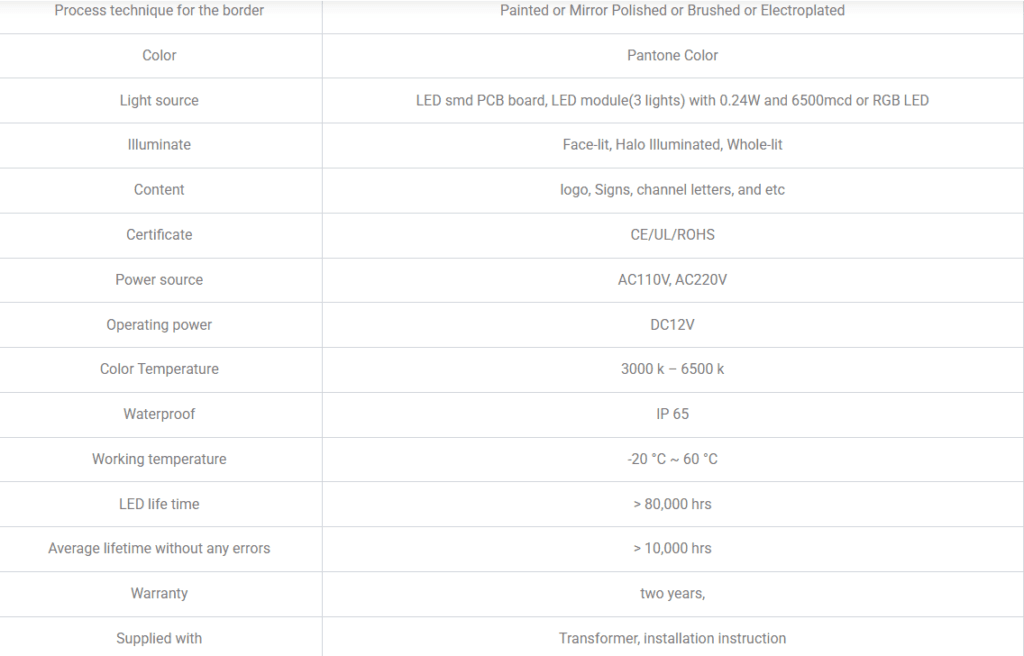
You will hear the term “IP Rating” constantly when shopping for displays. This stands for Ingress Protection. It measures how effectively the metal casing blocks dust and water.
A common pitfall I see buyers make is accepting an IP54 rating. This rating only protects against light splashes. Therefore, it is completely unacceptable for unprotected exterior locations. You must demand an IP65 or IP68 rating for true reliability.
An IP65 rating guarantees that heavy rainstorms and fine dust cannot enter the machine. Consequently, your expensive internal computer components remain perfectly dry and safe. Do not compromise on this specific specification ever.
Advanced Thermal Management Systems
Heat is the ultimate enemy of electronic displays. Have you ever left your smartphone in the direct summer sun? The screen turns black and shuts down to protect itself. This exact phenomenon happens to poorly designed commercial screens. Industry professionals call this the “black screen of death.”
To prevent this disaster, Grandview engineers integrate advanced thermal management systems. We do not just use basic fans. Instead, we utilize smart HVAC air-conditioning systems inside the metal cabinet. These smart sensors monitor internal temperatures continuously. They automatically activate cooling fans during hot afternoons and engage internal heaters during freezing winter nights. As a result, your screen never goes black, even in the Texas summer heat.
Vandalism Security and Protection
Unfortunately, placing expensive electronics on a public street attracts vandalism. I have received panicked phone calls from clients who found their screens smashed by rocks. You must protect your expensive investment proactively.
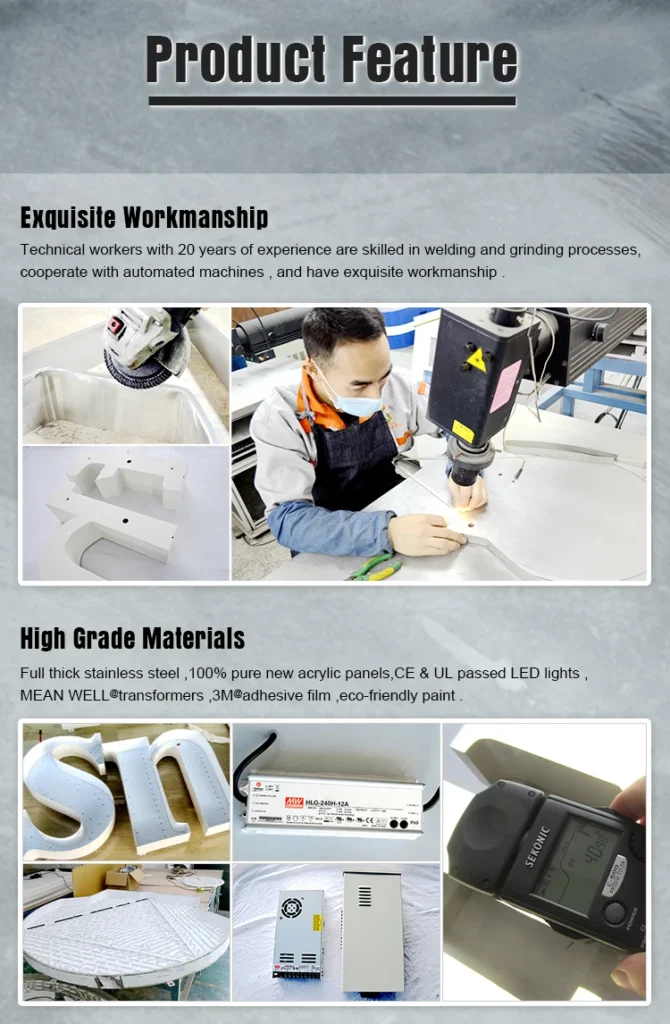
Therefore, we utilize IK10-rated tempered safety glass on the front panel. This specialized glass survives heavy impacts from hammers and baseball bats easily. Furthermore, we install concealed hinges and hidden security locks on the metal cabinet. These specific physical protections stop thieves from tampering with the internal computers.
Display Technology: Ensuring Maximum Screen Visibility
A durable metal cabinet is useless if your customers cannot read the screen. Overcoming the glare of the actual sun is a massive engineering challenge.
High Brightness (2000+ Nits) & Anti-Glare Tech
Brightness is measured in units called “Nits.” Your laptop screen at home produces about 300 Nits. If you take that laptop outside on a sunny day, the screen washes out completely.
Professional outdoor digital signage must produce at least 2000 to 2500 Nits to remain visible. This ultra-high brightness punches through direct sunlight effortlessly. Additionally, we apply a special anti-glare coating directly to the front glass. This chemical coating diffuses harsh reflections from the sun and passing car headlights. Consequently, your advertising message remains crystal clear from any viewing angle.
LED vs. LCD Displays for Outdoors
Buyers frequently ask me whether they should choose LED or LCD technology. The answer depends entirely on your specific viewing distance and project goals.
- LCD Screens: LCD technology offers stunning, high-resolution details. It displays text and complex images perfectly. Therefore, it is the best choice for drive-thru menus or pedestrian walkways. However, LCD screens require thick, protective metal enclosures to survive outside.
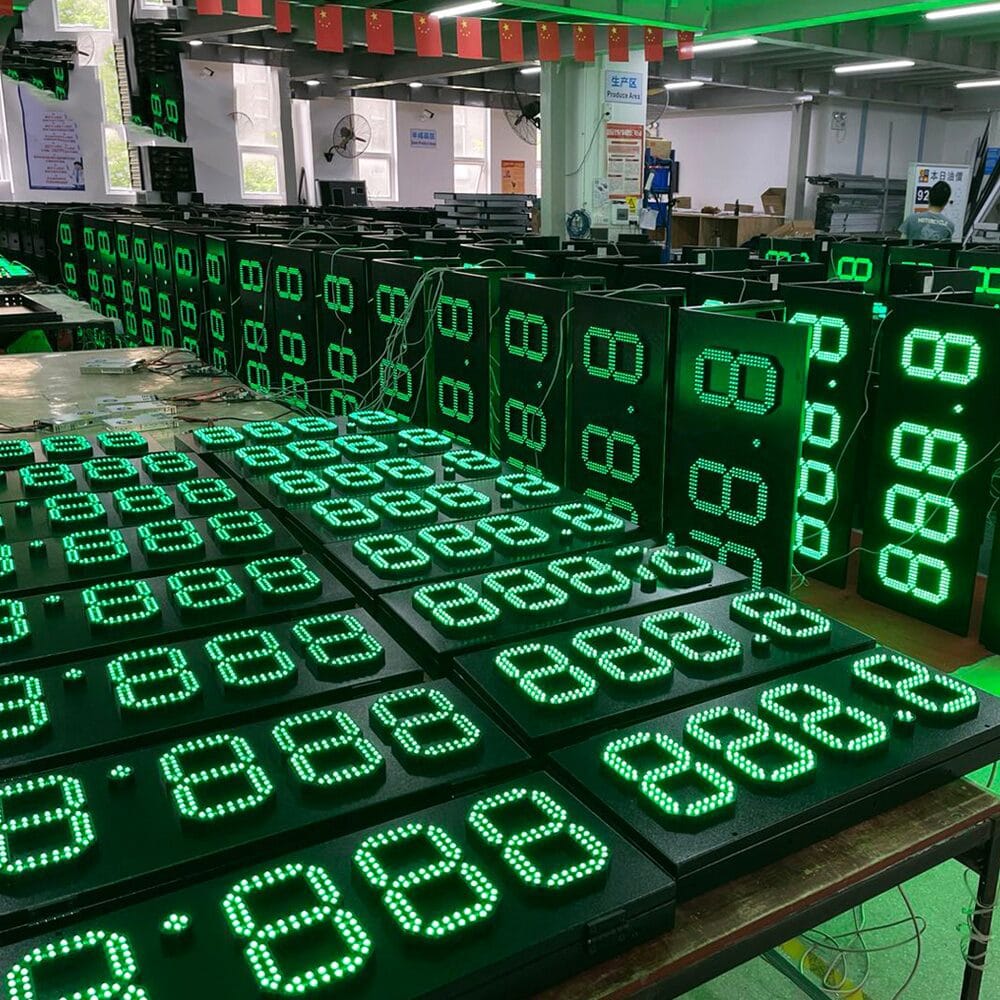
- LED Screens: LED technology uses individual glowing light bulbs. It delivers incredible brightness and boasts a massive lifespan. LED is perfect for large highway billboards viewed from far away. However, it looks pixelated if you stand too close to it.
I usually recommend ultra-bright LCD enclosures for street-level retail businesses. They provide the sharpest image quality for walking customers.

The Shift to Interactive Kiosks and Smart Features
The commercial signage industry is shifting away from passive, boring advertising. Today, customers expect dynamic and engaging physical experiences. They want to interact with your brand directly.
Therefore, interactive touchscreen kiosks are becoming incredibly popular. These smart machines allow tourists to navigate complex city maps effortlessly. Restaurant customers can browse digital menus and place food orders directly on the screen. This active interaction significantly boosts your daily customer engagement and sales revenue.
Furthermore, we are integrating eco-friendly smart features into our hardware. Modern screens feature automatic brightness sensors. The screen dims itself automatically when the sun goes down. This brilliant self-adjusting technology saves you massive amounts of electricity and reduces light pollution simultaneously.
Connectivity and Content Management Systems (CMS)
Your hardware is only as good as the software running it. You need a reliable way to send new videos and images to your screens. This software is called a Content Management System (CMS).
You should never have to walk outside with a USB drive to change a video. Modern screens connect to the internet via fast Wi-Fi or 4G/5G cellular routers. Therefore, you can update a screen in New York while sitting in a California office.
A good CMS allows you to schedule content easily. For instance, you can program a restaurant sign to show coffee deals in the morning and burger specials at night. Grandview manufactures open-architecture hardware. This means our rugged screens work flawlessly with any major CMS software you prefer to use. We never lock you into a restrictive software contract.
Why Partner with a Direct Manufacturer for Your Signage Solutions?
Many businesses buy their screens from third-party marketing agencies or software resellers. This approach is a massive mistake. These middlemen simply buy hardware from factories, add a massive markup, and sell it to you. When the hardware eventually breaks, they cannot offer true technical support.
Partnering directly with a manufacturing factory like Grandview solves these problems entirely. First, you cut out the expensive middleman, saving thousands of dollars on your initial purchase. Second, you gain direct access to our actual structural engineers. We can customize the metal casing, paint colors, and internal computers to match your exact project needs.
Frequently Asked Questions (FAQs) About Outdoor Digital Signage
Over the years, I have answered thousands of questions from nervous buyers. Here are the most common questions you should consider before making a purchase.
1. Can these screens survive freezing winter temperatures?
Yes, they absolutely can. Our professional screens feature internal heating elements. These smart heaters activate automatically when the temperature drops below freezing. This prevents the internal LCD fluids from freezing and cracking the screen.
2. How do I clean and maintain the front glass?
Maintenance is surprisingly easy. You should use a simple microfiber cloth and a mild, non-ammonia glass cleaner. You must avoid using high-pressure water washers directly on the screen seams. Regular gentle cleaning keeps the anti-glare coating functioning perfectly.
3. Are solar-powered digital signs a reliable option today?
Solar technology is improving rapidly. It is a fantastic, eco-friendly option for remote areas without electrical grids, like public hiking trails. However, high-brightness commercial screens require massive amounts of continuous power. Therefore, standard hardwired electricity remains the most reliable choice for busy city streets.
4. What happens if the internal computer crashes?
We build remote-reboot technology into our commercial hardware. If the internal media player freezes, you can restart the machine remotely from your laptop. You do not need to send a technician to the physical location to press a button.
Conclusion
Purchasing professional outdoor digital signage is a major financial decision. You must avoid cheap indoor TVs and fragile plastic enclosures at all costs. By demanding high IP ratings, active cooling systems, and ultra-bright screens, you secure a highly profitable marketing asset.
Remember, your exterior sign is often the very first impression a customer has of your business. Make sure that impression is bright, durable, and highly professional. If you need expert guidance on your next project, the Grandview engineering team is always ready to help you succeed.