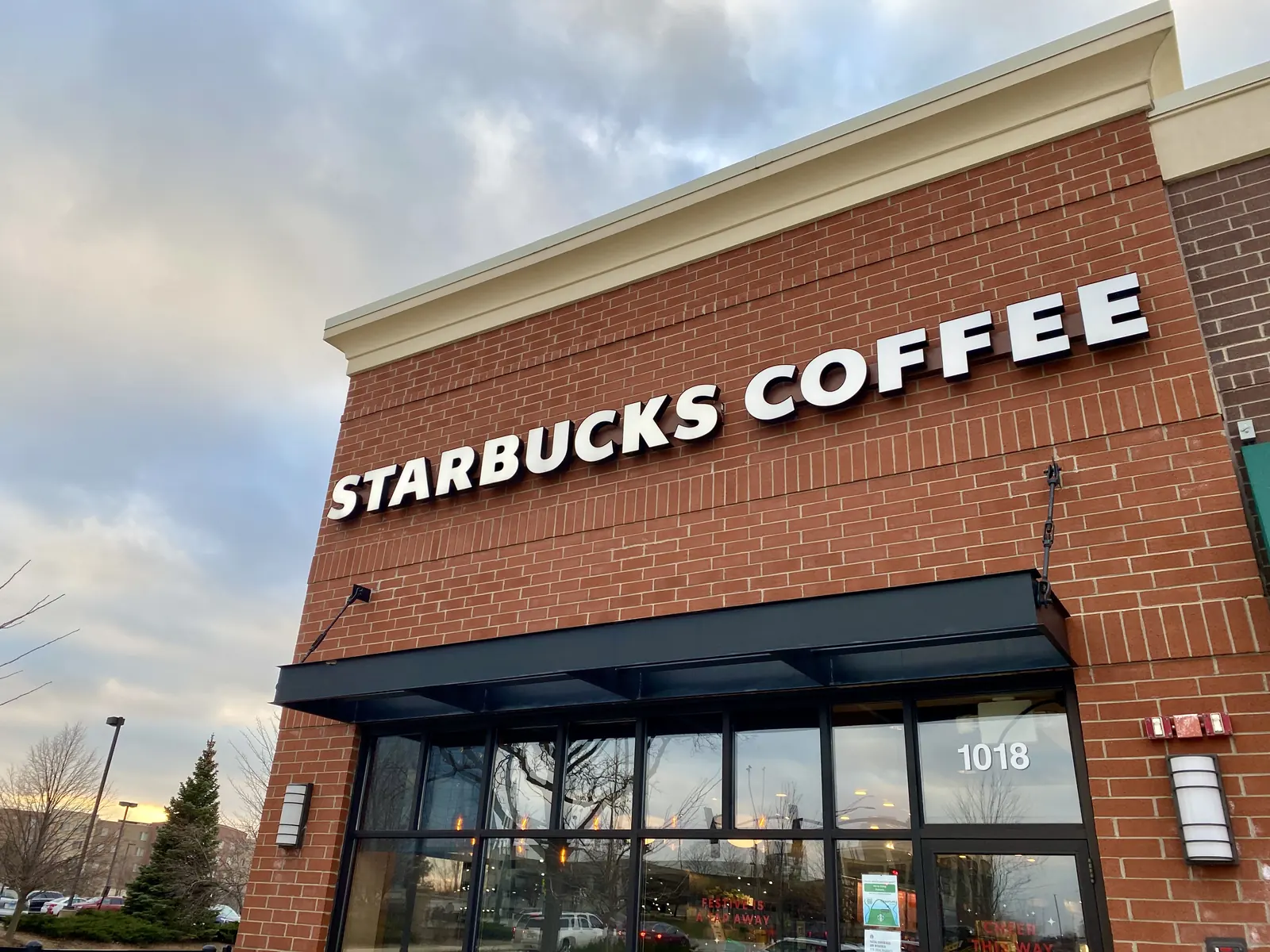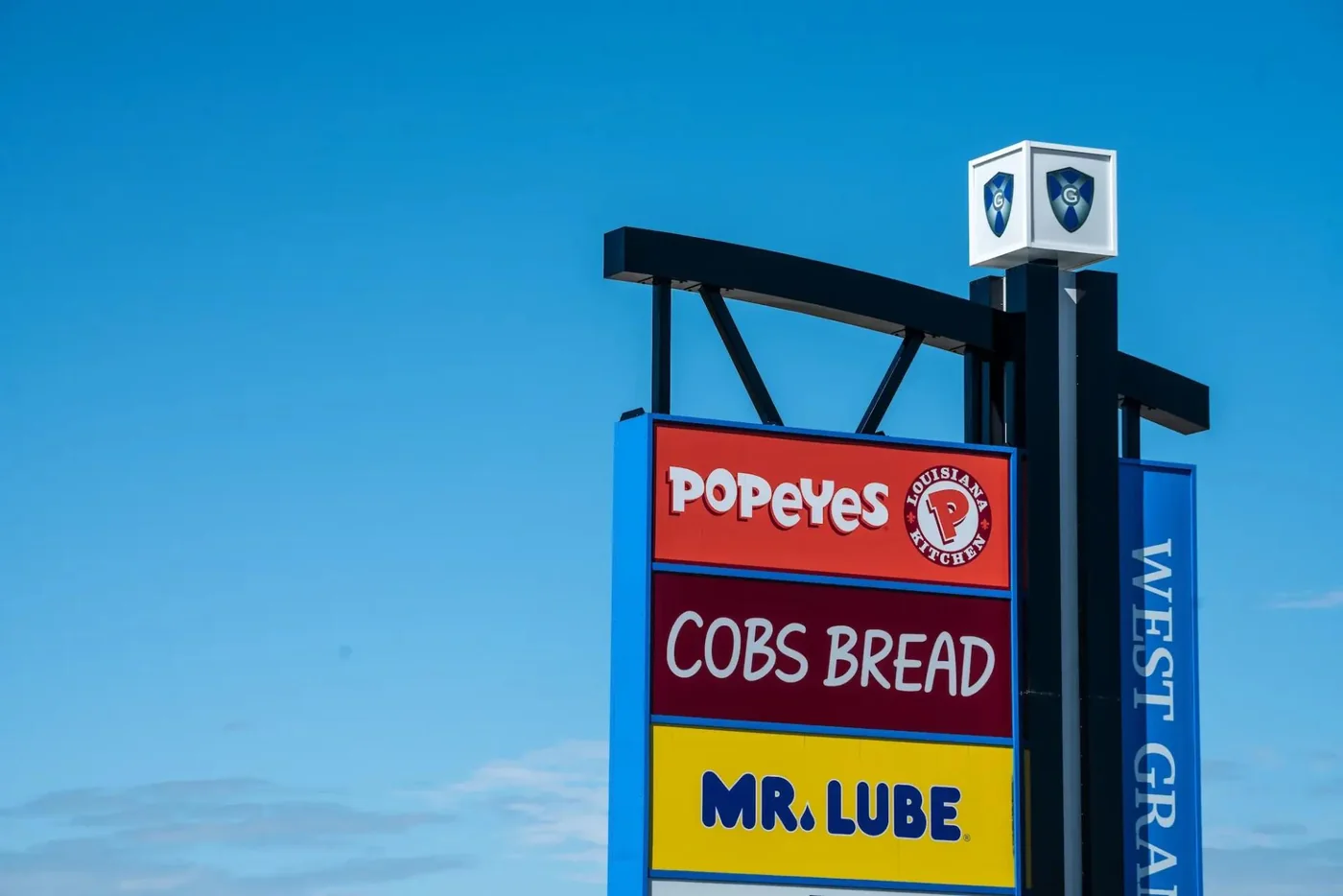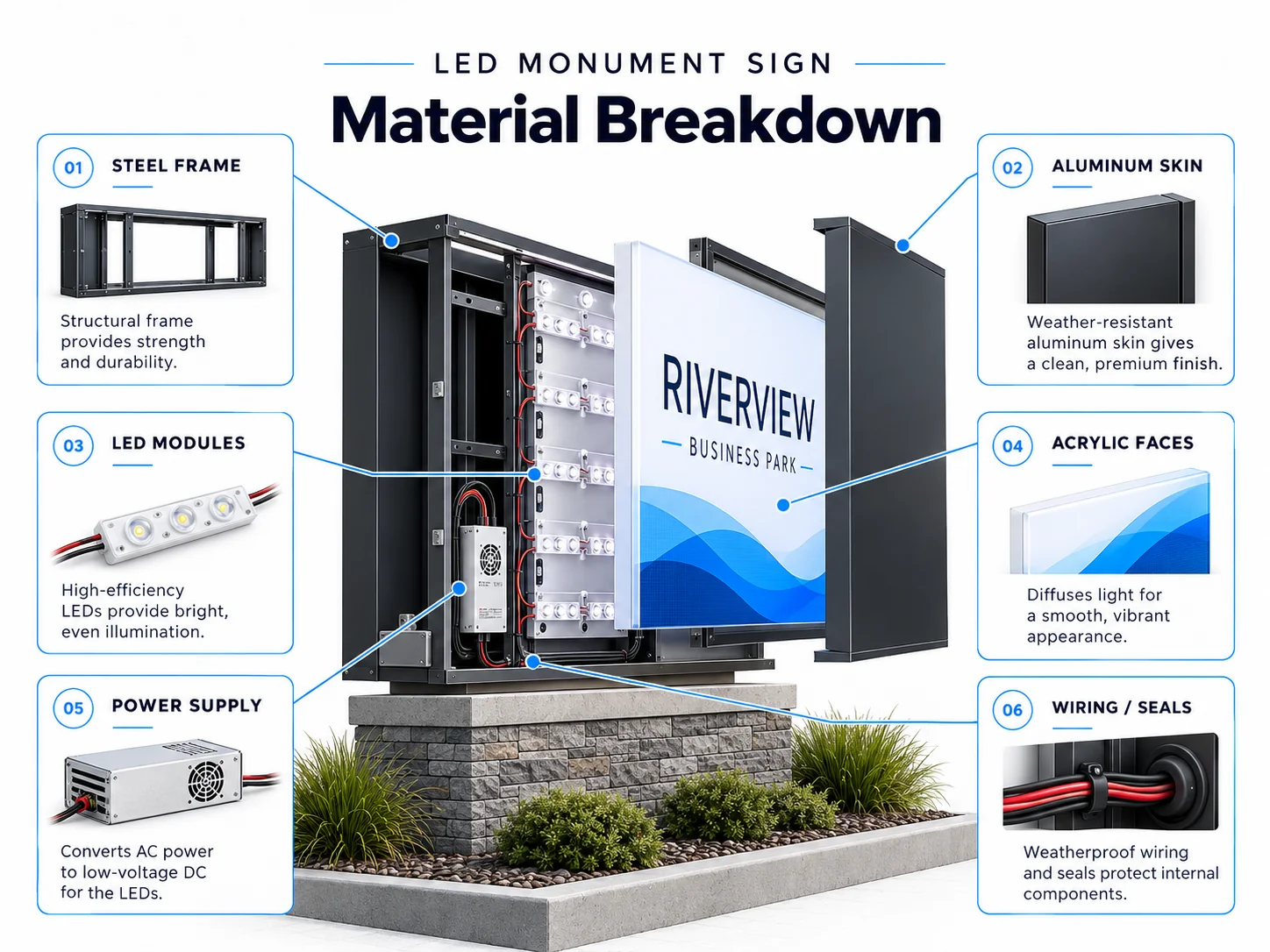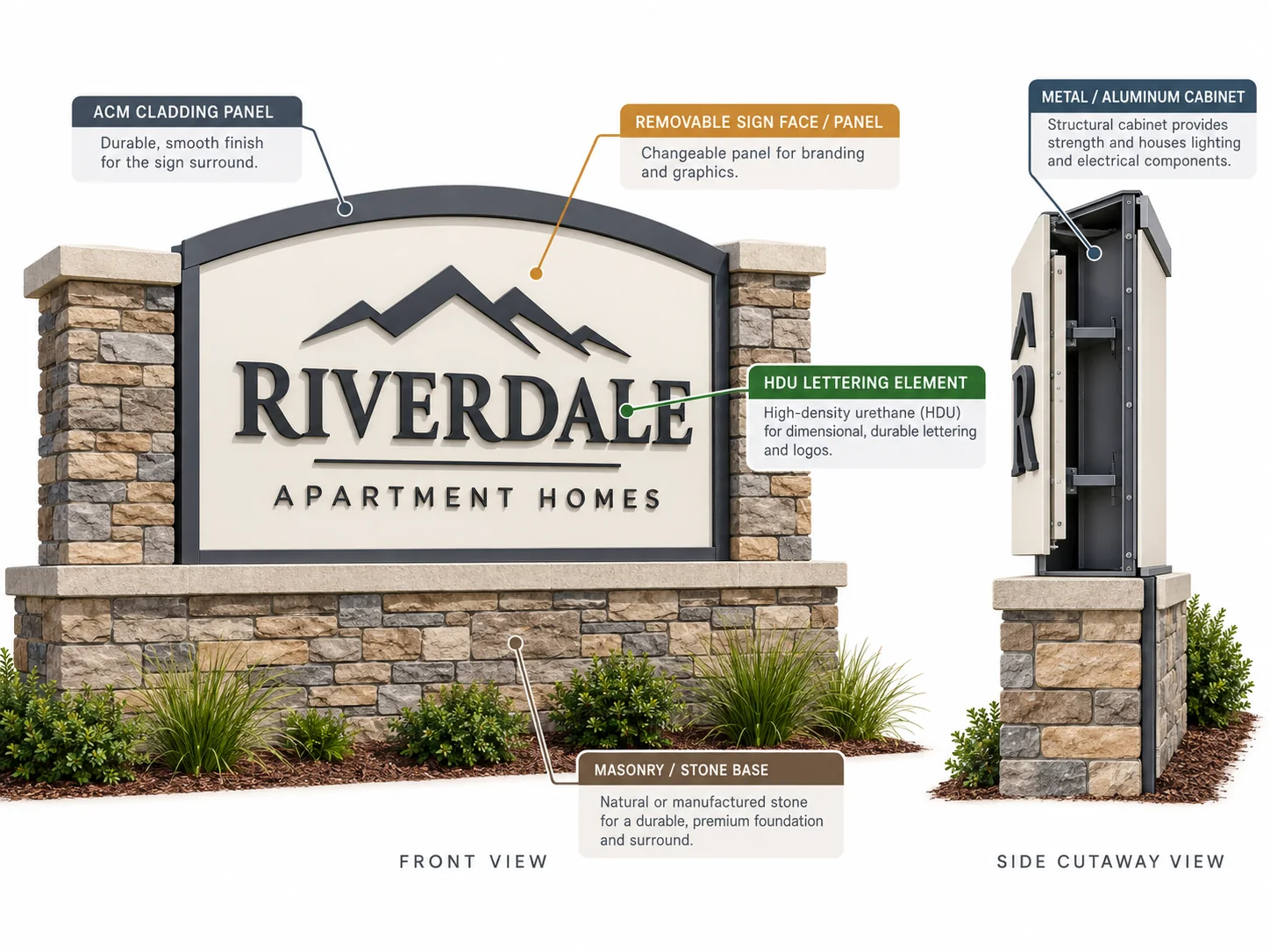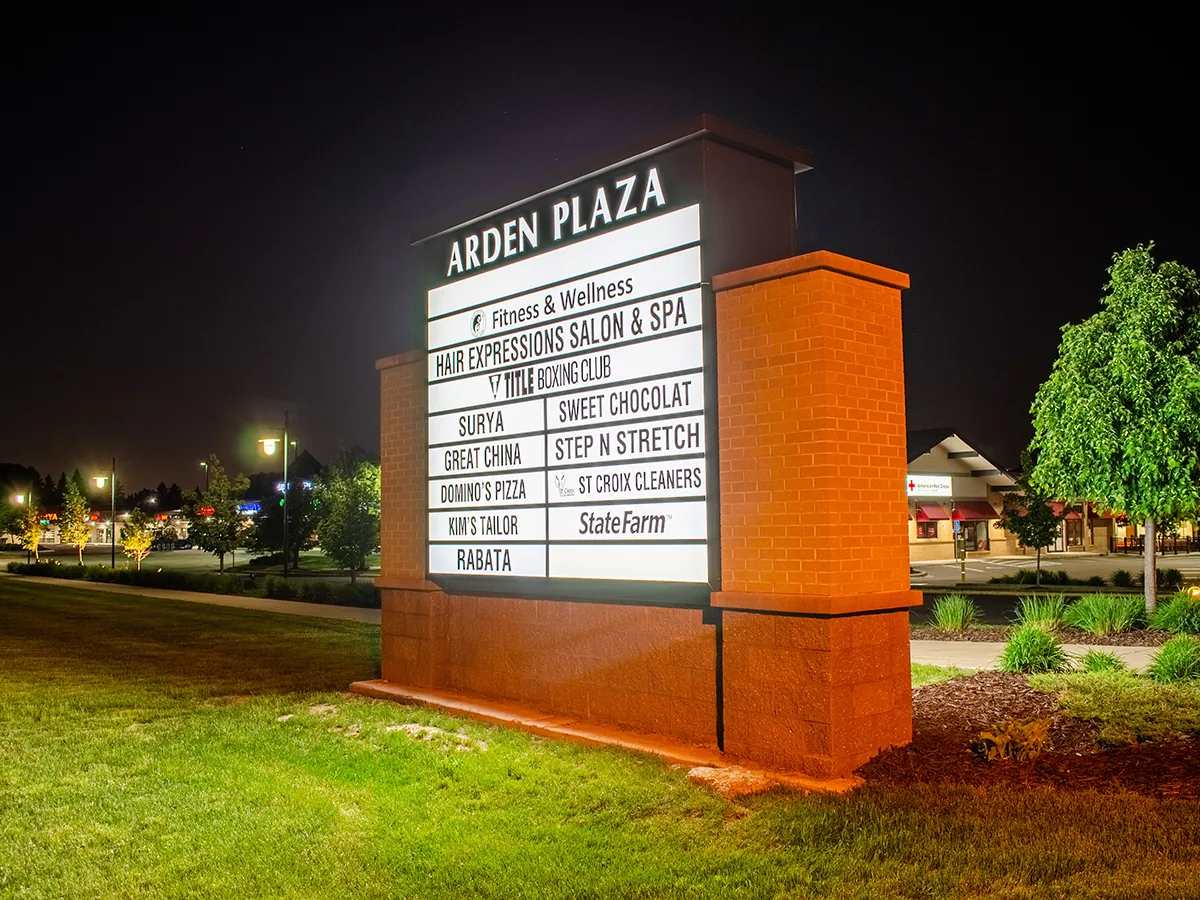


Corporate branding signage can include lobby logos, exterior identity signs, wayfinding and illuminated signs across one property or several locations. The buyer’s task is to turn a shared visual identity into a coordinated set of physical signs, with a clear project scope and a workable basis for comparing providers.
Once that scope is defined, consistency depends on what each approval covers. The same logo file does not establish the finished appearance of every material, construction or lighting combination.

Set the sign family and project scope
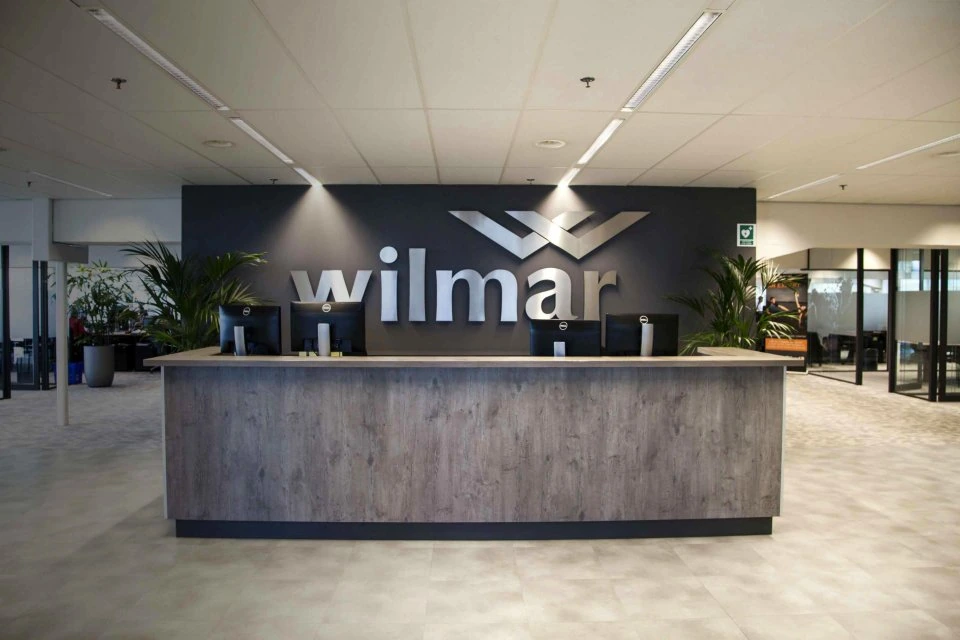
Identify the required sign families: lobby and reception, exterior building identity, wayfinding, and illuminated logos or lightboxes. These categories can overlap; a lobby or exterior sign may also be illuminated.
Define whether the job involves new signage, rebranding or replacement, and whether it covers one property or repeat locations. Clarify which design, survey, fabrication and installation tasks belong in the project.
Compare providers on relevant fabrication examples, the work included in their proposal, and how they control approvals and repeat production. Confirm who coordinates work outside their scope. This establishes a useful comparison before samples are approved.
Define approvals for each sign family
Separate approval of the brand identity from approval of the finished appearance. Each establishes a different reference:
| Approved item | What it confirms | What still needs review |
|---|---|---|
| Brand artwork | Logo geometry and identity rules | Surface finish and illuminated appearance |
| Material and finish sample | Appearance of the specified surface | Other constructions or lighting conditions |
| Illuminated sample | Appearance of the tested assembly | A changed face, film or light source |
A reusable approval record should identify the revision ID, applicable sign family, material and finish, lit/unlit review conditions, approver and date, and permitted variations. Link it to the corresponding sample and production revision.
For illuminated signs, review the sample both unlit and lit. In its backlit signage production bulletin, 3M explains that its 3630 and 3730 films appear similar when unlit, yet may differ in color when illuminated because they are optimized for different light sources. An unlit match between these films does not confirm a matching illuminated result.
Grandview’s MoneyGram signage project describes vacuum-formed acrylic letters, LED lightboxes and metal tacker signs. It illustrates one brand expressed through several constructions. Review each format against a reference that represents its materials, finish and lighting.

Recheck changes before repeating a sign
Compare a later location or replacement batch with the approved production revision. Focus on changes that could affect appearance: a different face or graphic film, finish, printing process or light source. Unchanged artwork does not resolve those differences.
When a component changes, have the provider explain its likely visual effect and the evidence needed to check it. Document why the existing reference remains applicable, or obtain updated approval before producing more signs.
Keep the accepted reference and change decision together for future replacements. Retain the physical sample where practical, with photographs documenting its construction and review conditions.
Agree responsibilities for site adaptations
Wall space, backgrounds and local restrictions can require changes in size or position. Review these adaptations against the approved logo proportions, typography and information hierarchy. A smaller sign should not quietly become a distorted logo.
At the project’s start, confirm responsibilities and approval authority in writing. A practical allocation is for a designated brand representative to approve visual exceptions and the manufacturer to explain fabrication and illumination implications. Assign site-specific structural design, foundations, permits, code compliance, electrical connections and installation to appropriately qualified local project parties. Check these assignments against the contract and local requirements.
Keep site exceptions distinct from the shared brand standard. For fabrication input on applying approved requirements across sign families, explore Grandview’s building signage services.
FAQ
Does every sign type need a full prototype?
Not necessarily. Follow the brand owner’s approval requirements, then assess whether existing samples represent the proposed materials, finish and illumination. Use targeted samples where they answer the remaining appearance question. Consider a fuller assembly when the interaction between components cannot be judged from separate samples.
References / Further Reading
- 3M — Production: Backlit Signage, Revision A, December 2024, page 4, “Translucent Film Colors.”