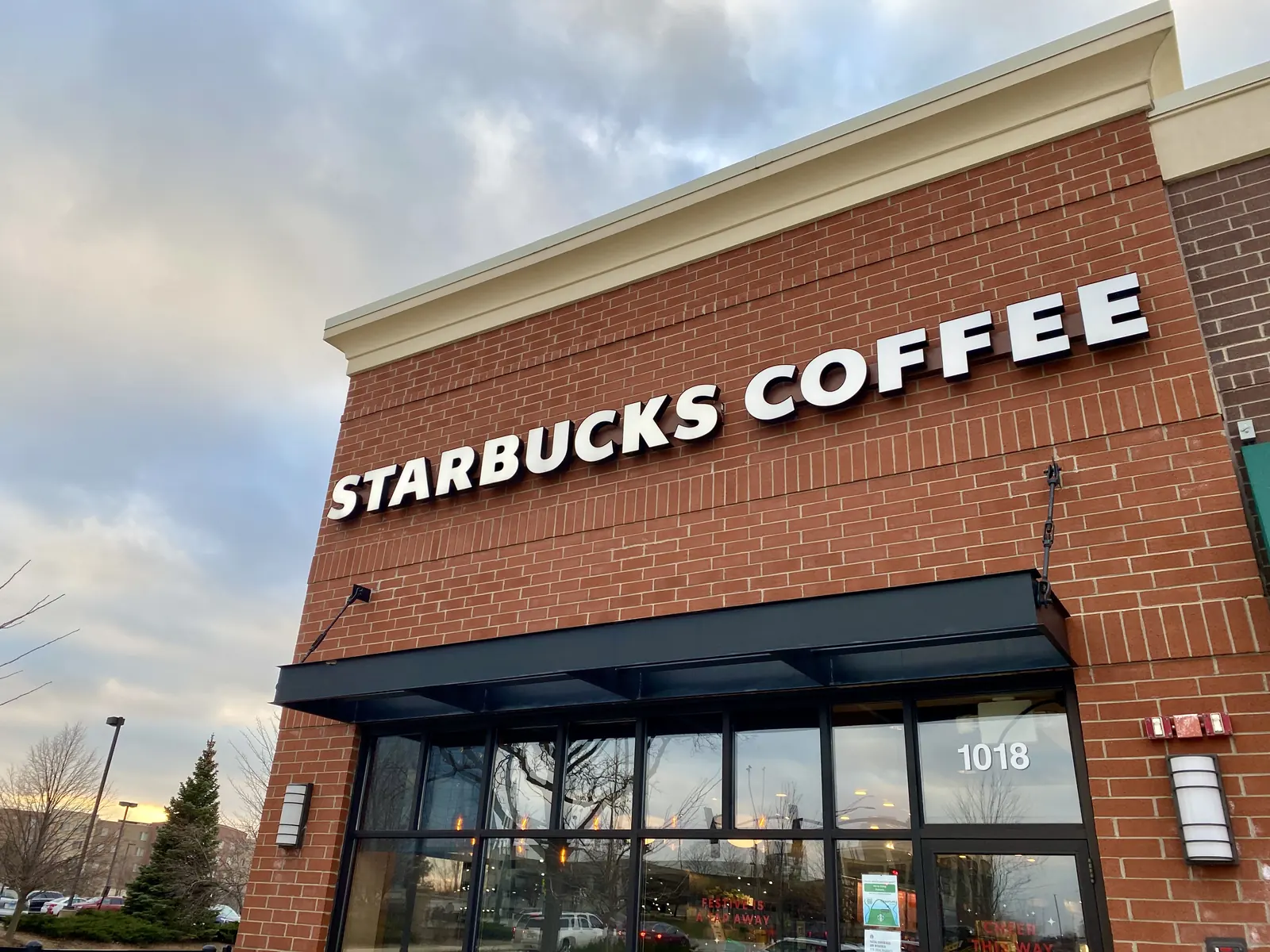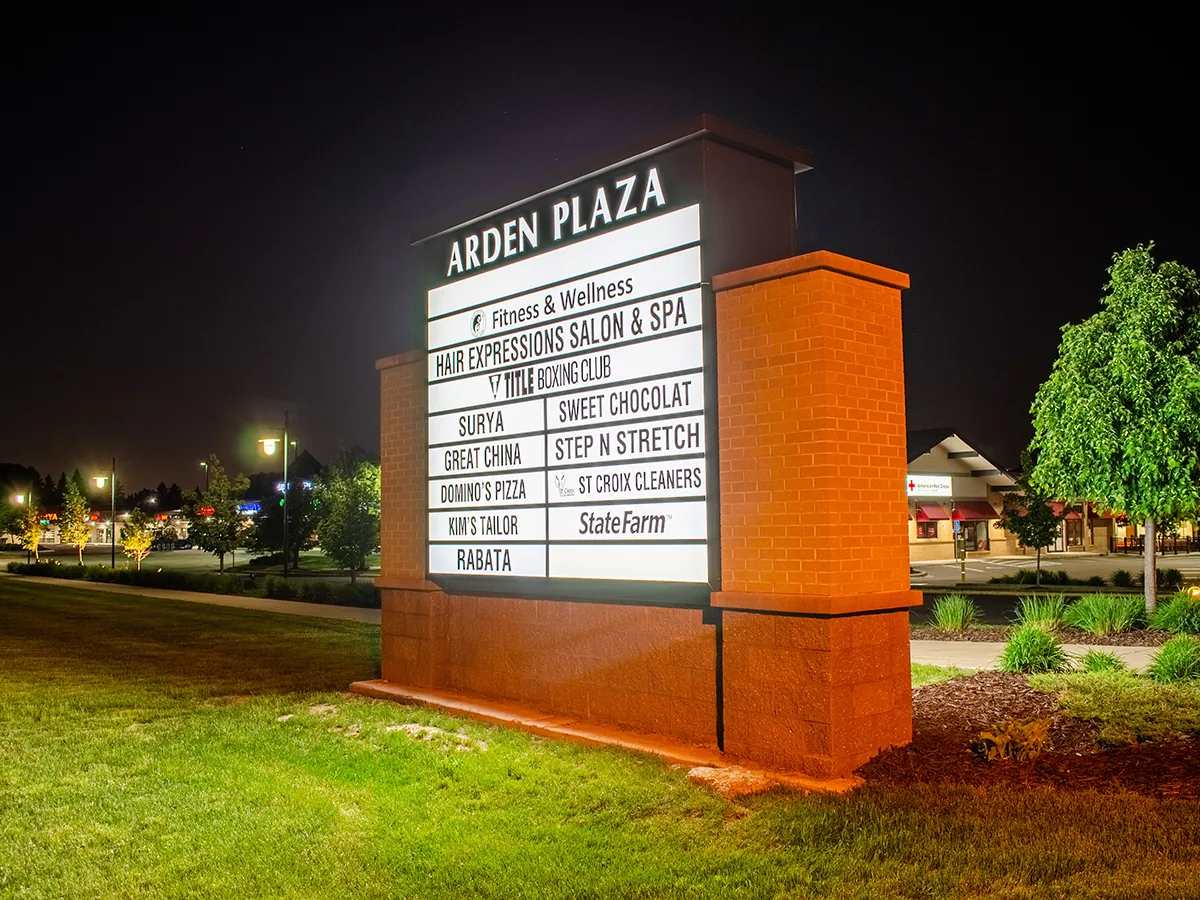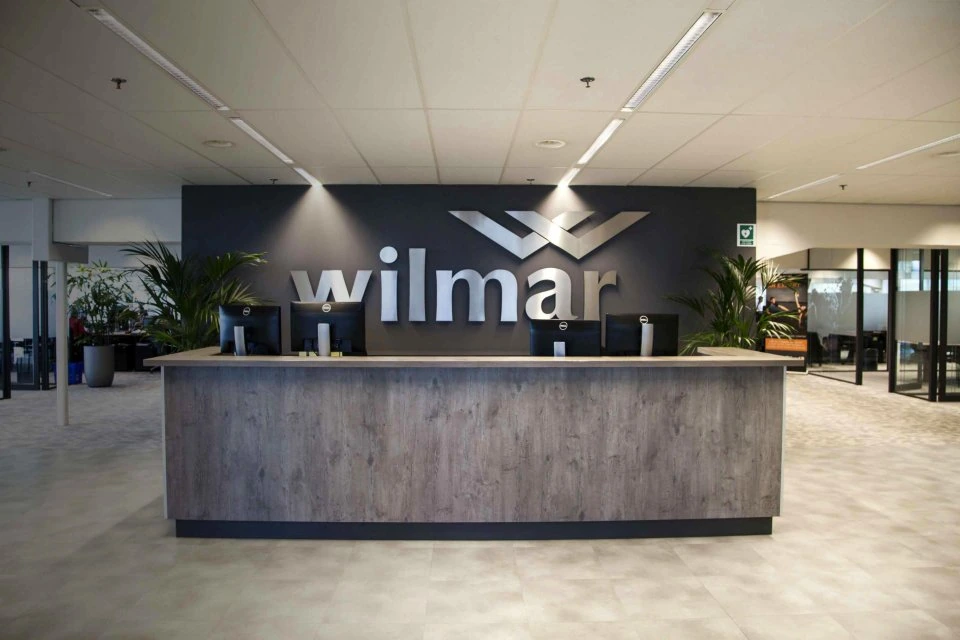


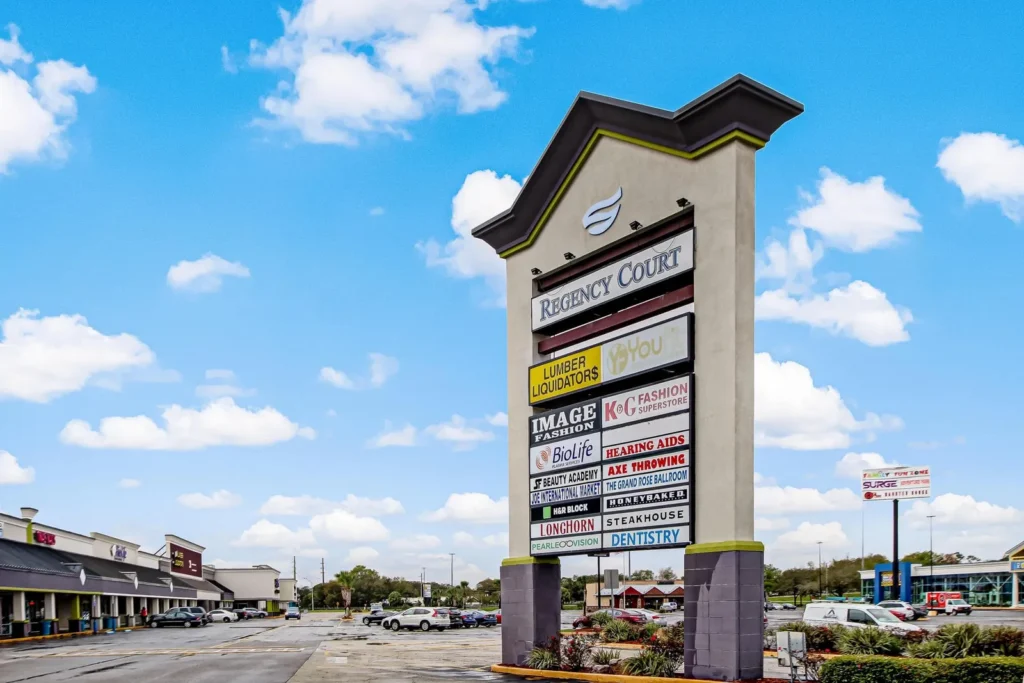
A name above a shop door, an arrow beside the driveway, and opening hours on the glass all count as signage. Yet ordering another sign with the business name will not necessarily help someone find the entrance. Understanding what each sign communicates makes the difference.
For a new store or commercial property, the useful questions are straightforward: what counts as signage, what does each sign tell people, and why can several names describe the same physical object? The examples below separate those questions.
What Counts as Signage Around a Business?
Signage is the use or collection of signs that communicate through words, symbols, graphics, or a combination of them. In a business setting, it can identify a location, provide directions, explain services, display offers, or communicate rules.
A sign is an individual item. Signage is the broader term for those visual communications, often considered together across a property. It does not automatically mean a large, professionally coordinated package. A small shop’s window lettering and hours notice are also signage.
The International Sign Association’s overview of sign types includes building-mounted, freestanding, digital, and interior signs. This range helps explain why signage cannot be identified by one material, shape, or mounting position.
A logo is different: it is the brand artwork. Once that artwork appears on fabricated letters, a window graphic, or a lightbox, the physical item becomes a sign carrying the identity.

What Each Sign Helps People Understand
Start with the information a person needs. These examples show common roles, rather than a list every business must buy.
| Example | What it tells people | Main role |
|---|---|---|
| Business name above a storefront | Which business occupies this unit | Identification |
| Arrow toward customer parking | Where to turn | Direction |
| Tenant directory | Which businesses are here and where to find them | Information and guidance |
| Opening-hours notice | When visitors can enter | Information |
| Offer displayed in a window | What is being promoted | Promotion |
| Exit sign | Where the exit is | Safety and direction |
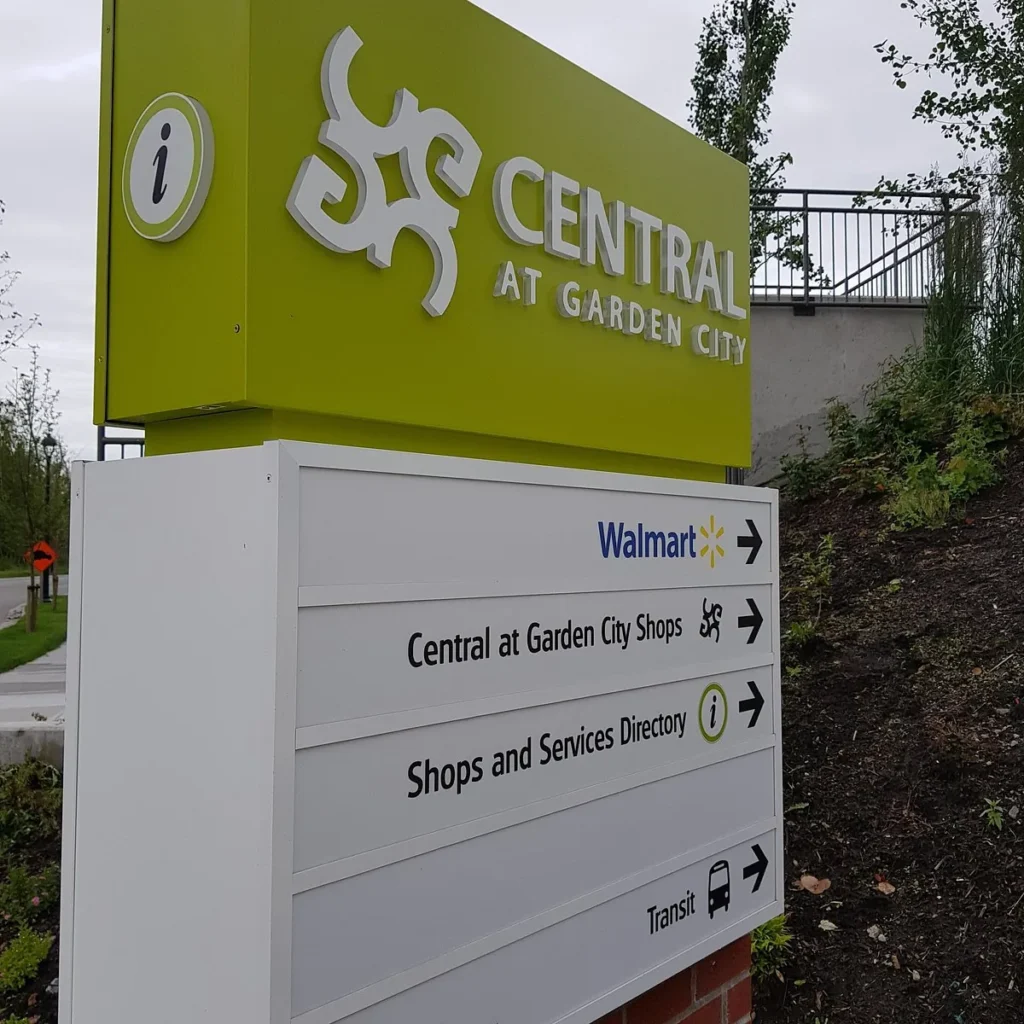
The roles can overlap. A directory may identify tenants and help visitors navigate. A storefront sign may display both the brand and its main service.
Putting more information on one sign can also make its main message harder to find. A detailed directory and a short business name have different reading tasks. They need not carry identical wording simply because they share a brand style.
Why the Same Sign Can Have Several Names
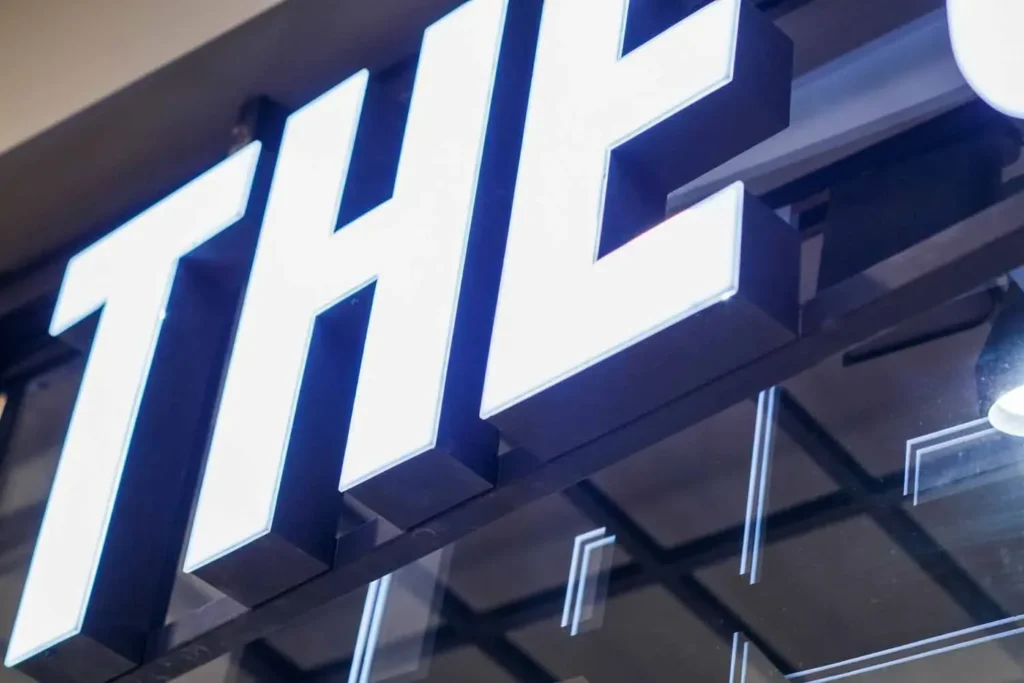
Sign terminology often describes different features of the same object. Consider illuminated letters attached above a retail entrance:
- Identification sign describes their communication role.
- Wall-mounted sign describes their position and attachment.
- Channel letters describes their fabricated form.
- Front-lit describes how light reaches the viewer.
Those descriptions can all apply at once. They are not four competing products. This distinction helps when a drawing, property guideline, or supplier description uses a different name from the one you expected.
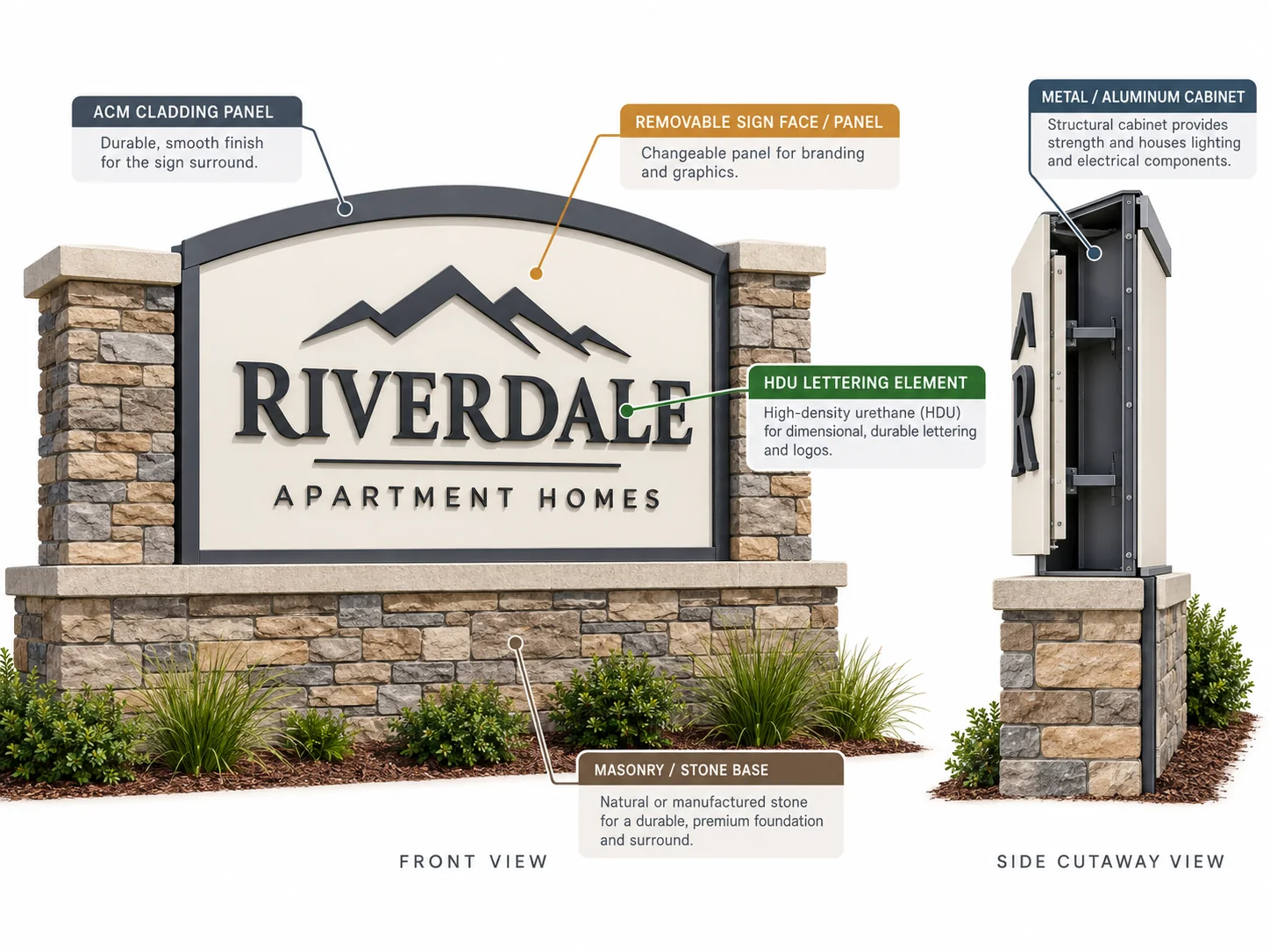
The reverse also matters: the same role can be performed by different constructions. A business name might appear as individual letters or on a cabinet face. Both identify the business, but they look and are built differently. For that separate selection question, see the comparison of storefront sign options.
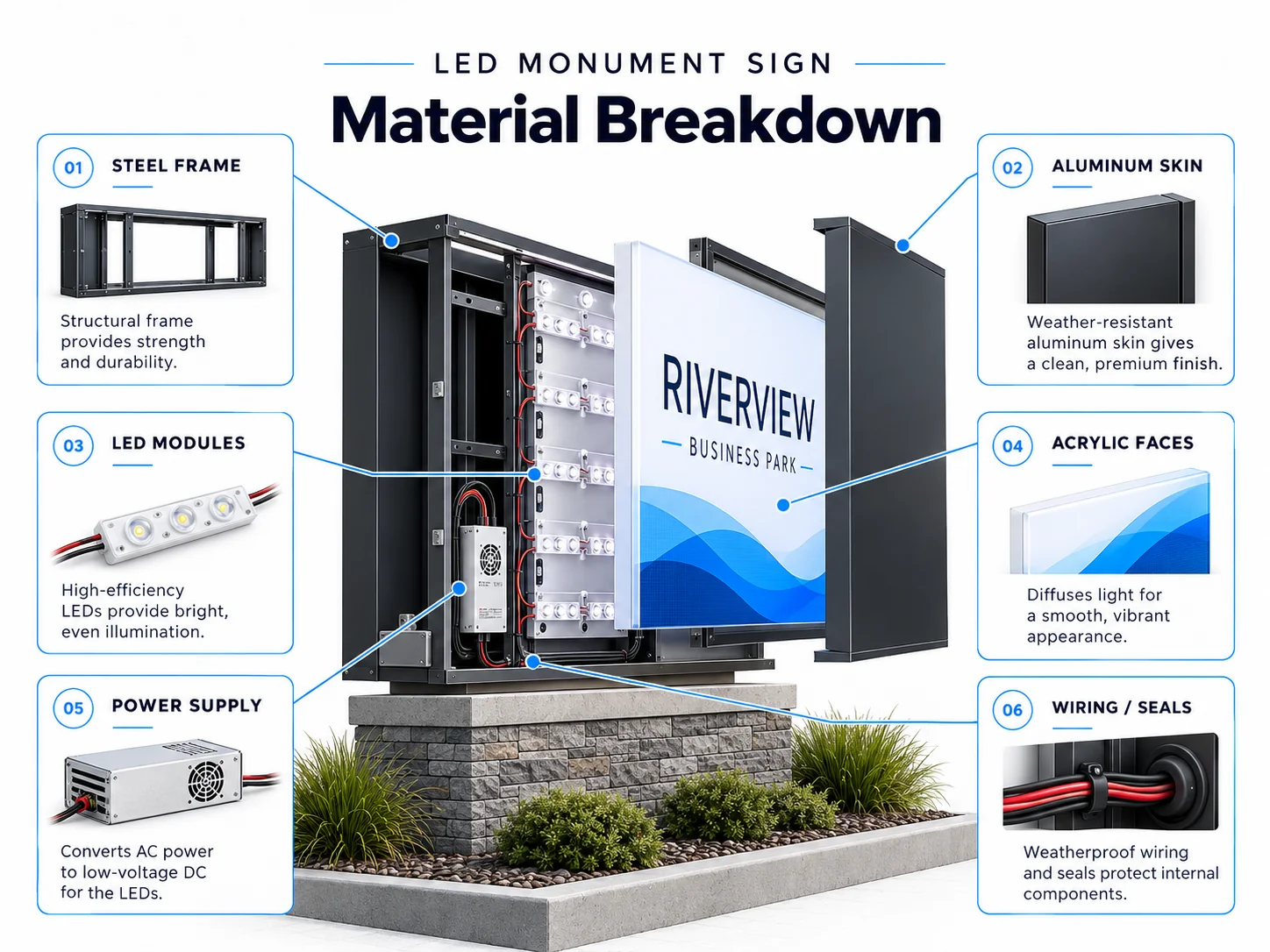
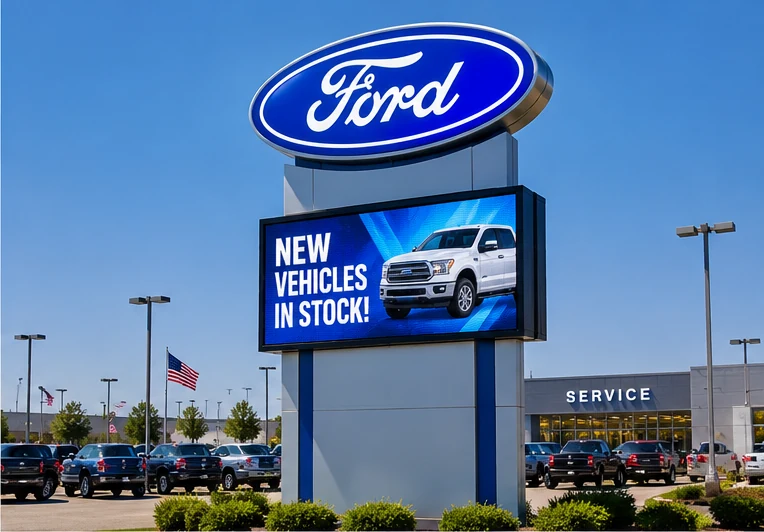
Lighting terminology needs similar care. An LED-lit letter uses LEDs to illuminate its shape. A digital display produces content electronically and may allow messages to be updated through a controller. Calling both an “LED sign” does not establish the same capabilities.
When reading a description, separate what the sign communicates from how it is made, mounted, and lit. A product name alone may leave some of those details unanswered.
One Brand, Different Sign Formats
Grandview’s MoneyGram signage project documents vacuum-formed acrylic lettering, illuminated LED lightboxes, and metal tacker signs. These formats carry the same brand through different physical constructions.
The project description also identifies separate PCB lighting used to flash part of an LED logo sign. That is a lighting effect; it does not, by itself, establish a programmable screen for uploading new messages. A moving or flashing effect should not be mistaken for unrestricted content control.
This example illustrates why a brand name, a sign format, and a lighting feature answer different questions. Describing signage clearly means keeping all three distinct. Whether a particular format is suitable for an actual site still depends on its location and applicable requirements. Local teams must confirm any necessary permissions, structural checks, electrical connections, and installation arrangements.
Questions About Signage
Is signage the same as a sign?
A sign is one item, such as a door plaque. Signage is the broader use or collection of signs. The term is useful when discussing several communication needs, but it does not establish the quantity or scope of a project on its own.
Does signage have to be illuminated?
No. Printed panels, window lettering, directories, and non-illuminated dimensional letters are all signage. Illumination is a separate feature. Whether it is needed depends on when and where the information must be readable.
Are digital displays the only kind of LED signage?
No. LEDs can illuminate fixed letters or graphics, create lighting effects, or form an electronic display. To understand a particular sign, check whether its content changes, how it changes, and what the controller actually supports.
Explore custom commercial signage for your project.
References / Further Reading
- International Sign Association — Identification of Sign Types