

Pylon Sign vs Monument Sign: Roadside Visibility or Entrance Branding?
Both signs are freestanding outdoor signs, but they do not solve the same visibility problem. A pylon sign helps people find your business from the road. A monument sign helps people recognize the property when they arrive.
Many buyers search this topic because pylon signs and monument signs look similar at first glance. Both are freestanding outdoor signs. But from a project decision point of view, they answer two different questions: How do people find you? and how do they know they have arrived?
The simplest way to remember the difference
Most articles say “pylon signs are tall, monument signs are low.” That is correct, but not memorable enough. For a business owner or project buyer, the better question is: do you need attention before arrival, or identity at arrival?
Use it when drivers, visitors, or customers need to spot your business before they reach the site.
Use it when visitors are already near the property and need a clear entrance or brand marker.
What Is a Pylon Sign?
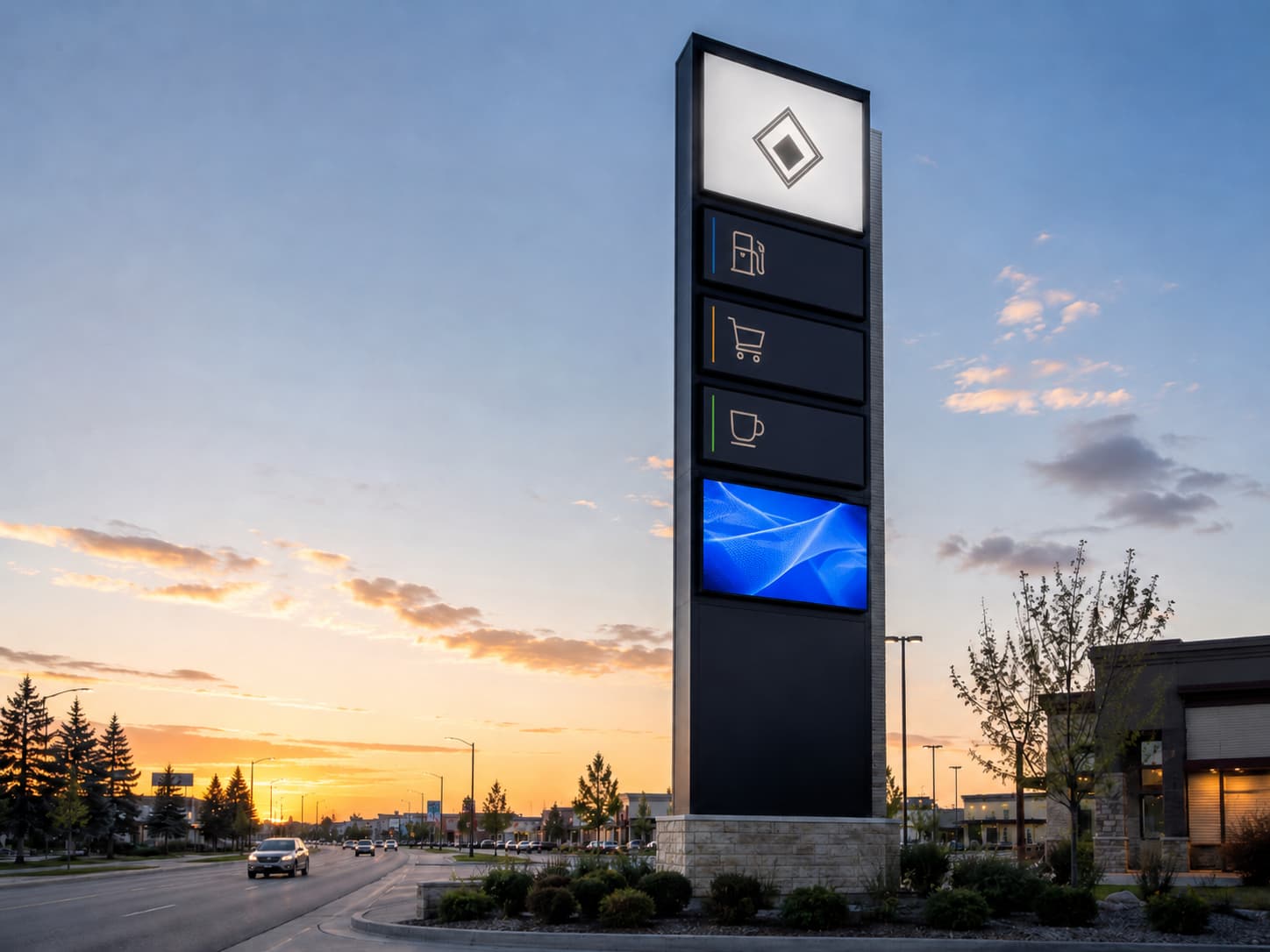
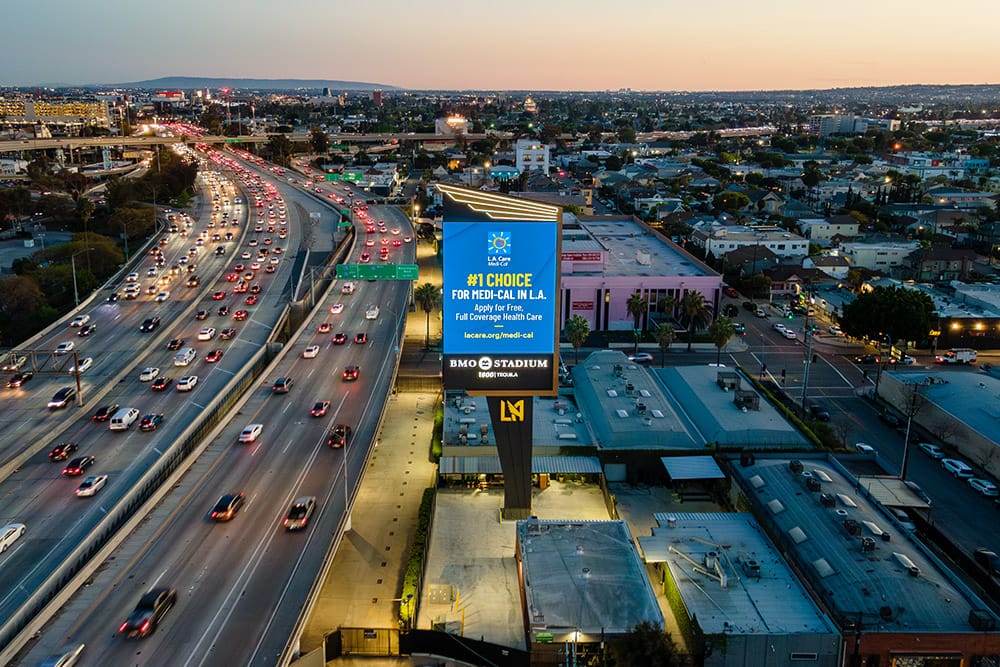
A pylon sign is a tall freestanding outdoor sign, usually supported by one or more poles or a covered structural column. It is commonly used by gas stations, shopping centers, retail plazas, hotels, auto dealerships, restaurants, car wash sites, industrial parks, and roadside businesses.
The purpose of a pylon sign is reach. It gives the business more vertical presence, helping people see the brand from a road, highway, parking area, or commercial corridor. For a broader project view, our guide to custom pylon signs explains how size, lighting, structure, and fabrication details affect real commercial signage projects.
What Is a Monument Sign?
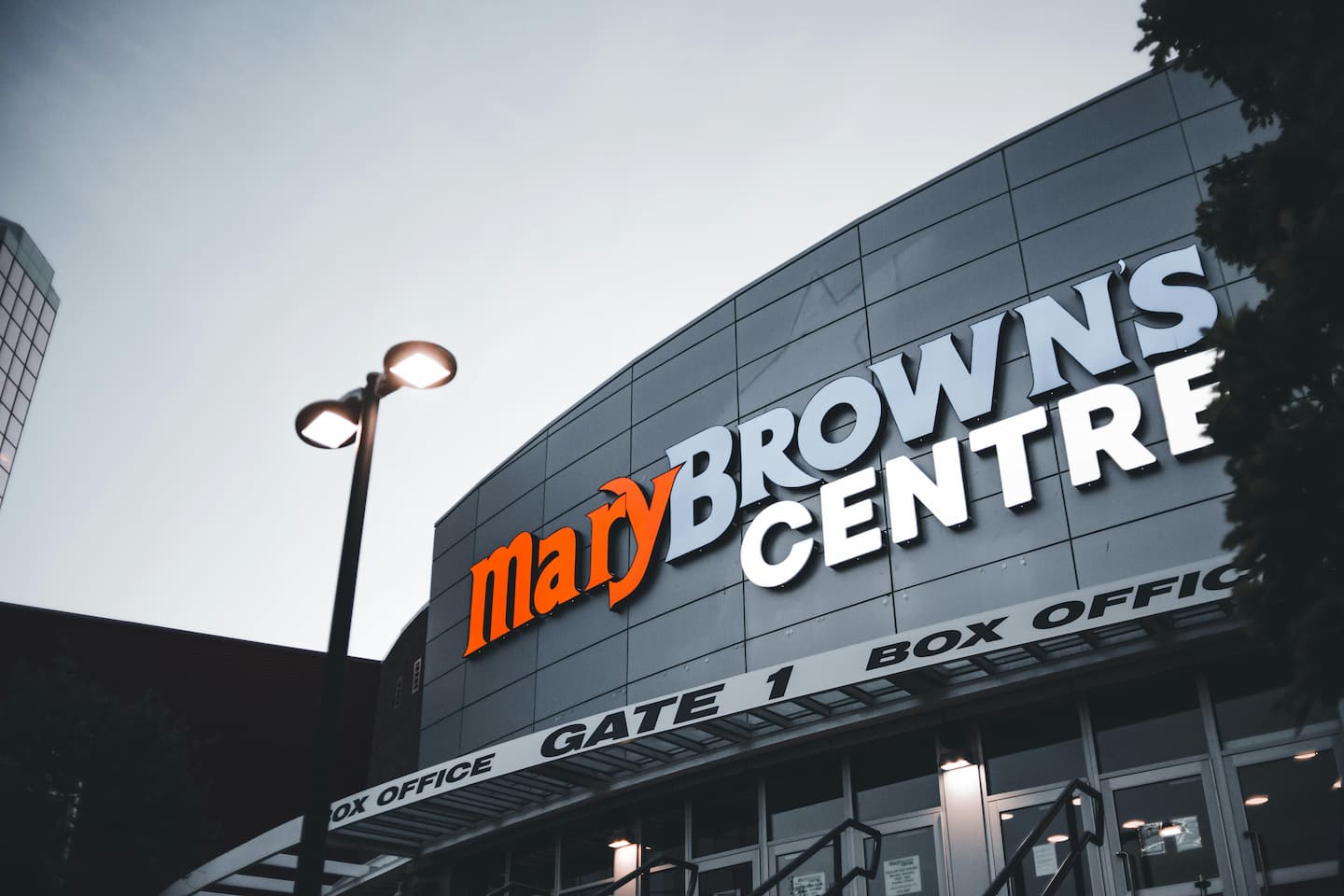
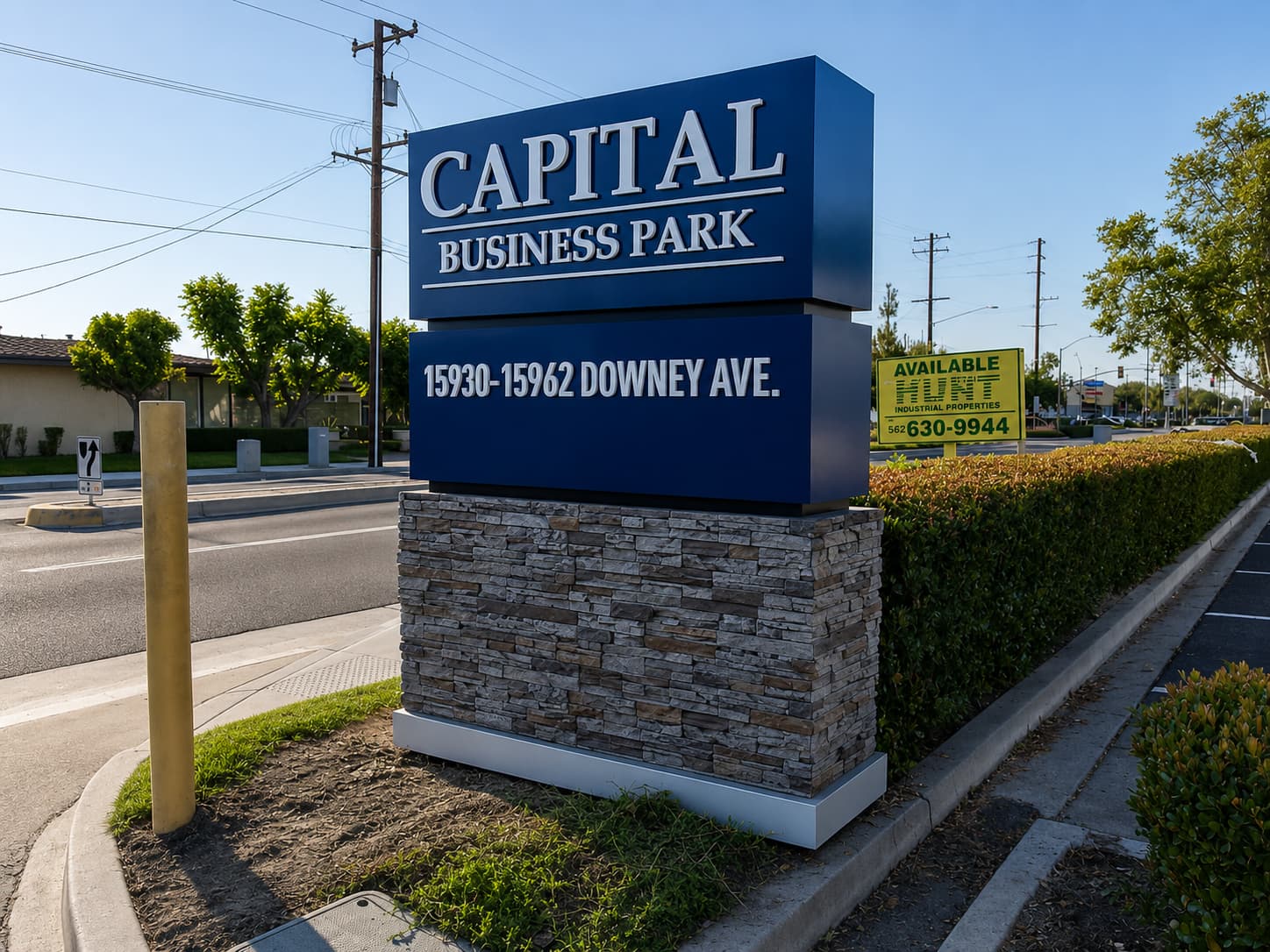
A monument sign is a ground-level freestanding sign placed near an entrance, driveway, landscape area, or property frontage. It is usually lower than a pylon sign and often designed to match the building, stonework, landscaping, or architectural style of the property.
Monument signs are not usually built to compete with highway traffic. Their strength is brand identity, arrival confirmation, and a polished entrance experience. For projects that also need parking, driveway, or visitor guidance, monument signs may work together with outdoor wayfinding signage instead of standing alone.
Pylon signs are visibility tools.
They are useful when the building is set back, the road is busy, nearby competitors are visually crowded, or visitors need to identify the site from a distance.
Monument signs are identity tools.
They are useful when the property needs a professional entrance marker, a more architectural look, or clearer wayfinding at lower viewing speeds.
The Road-to-Entrance Rule
This is the easiest decision framework for commercial signage buyers. Instead of starting with sign style, start with the customer’s movement.
Think pylon sign. Height helps the business compete for attention before the customer reaches the property.
Think monument sign. Ground-level branding helps visitors recognize the property when they arrive.
Use both. Many commercial sites need a tall roadside sign plus a lower entrance marker.
This is also why there is no universal winner. A pylon sign is not automatically better because it is taller, and a monument sign is not automatically better because it looks more refined. The better option depends on road speed, site layout, viewing distance, brand style, local code, and how visitors approach the property.
Choose in 30 Seconds
The following decision wall is designed for quick project discussions. It does not replace local code review or engineering review, but it helps buyers quickly understand which sign type is more likely to fit the business goal.
It provides height and long-distance visibility.
May be too low if traffic is fast or the site is set back.
Can help, but may feel oversized for a close-range entrance marker.
It confirms arrival and supports architectural branding.
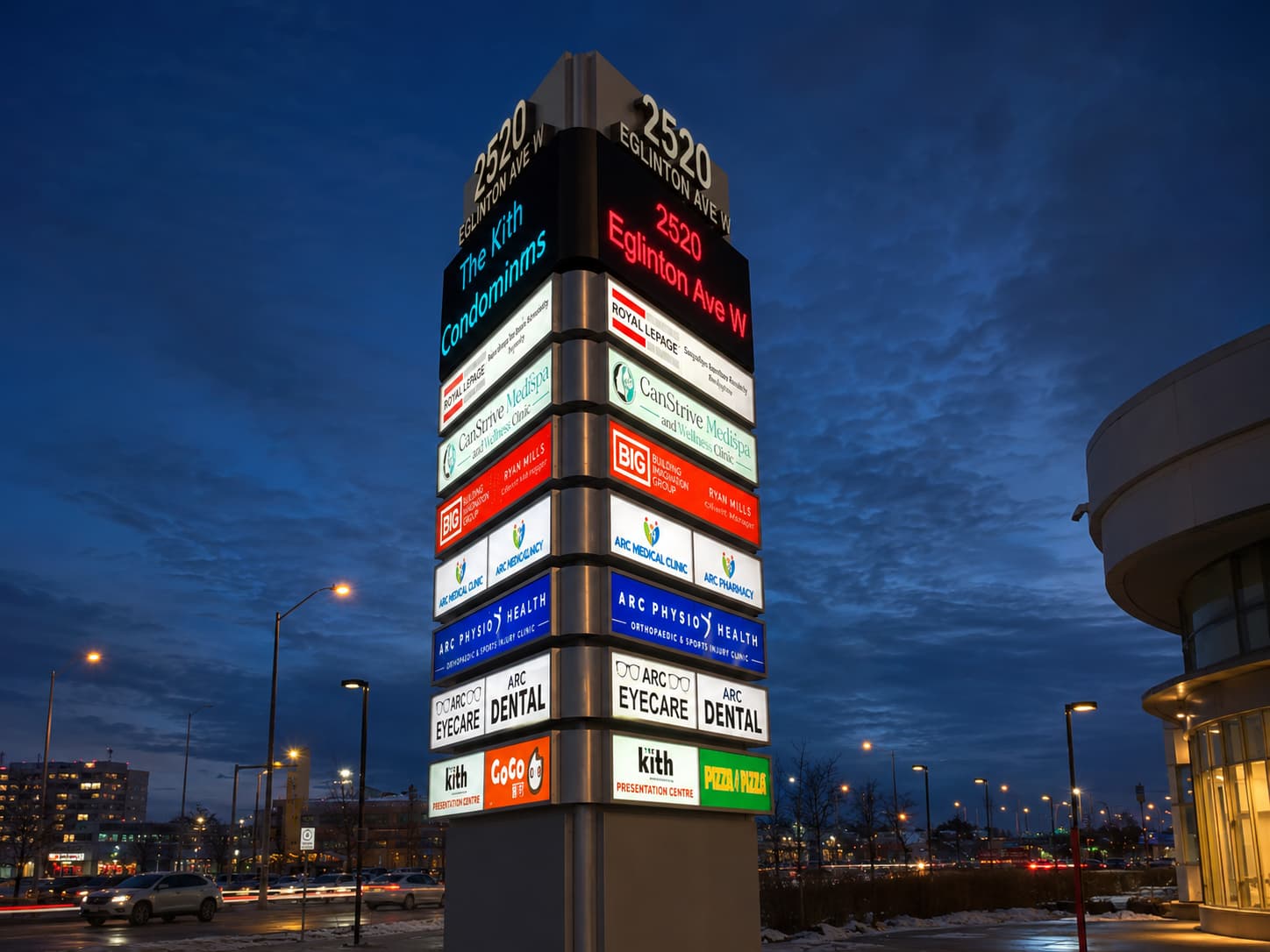
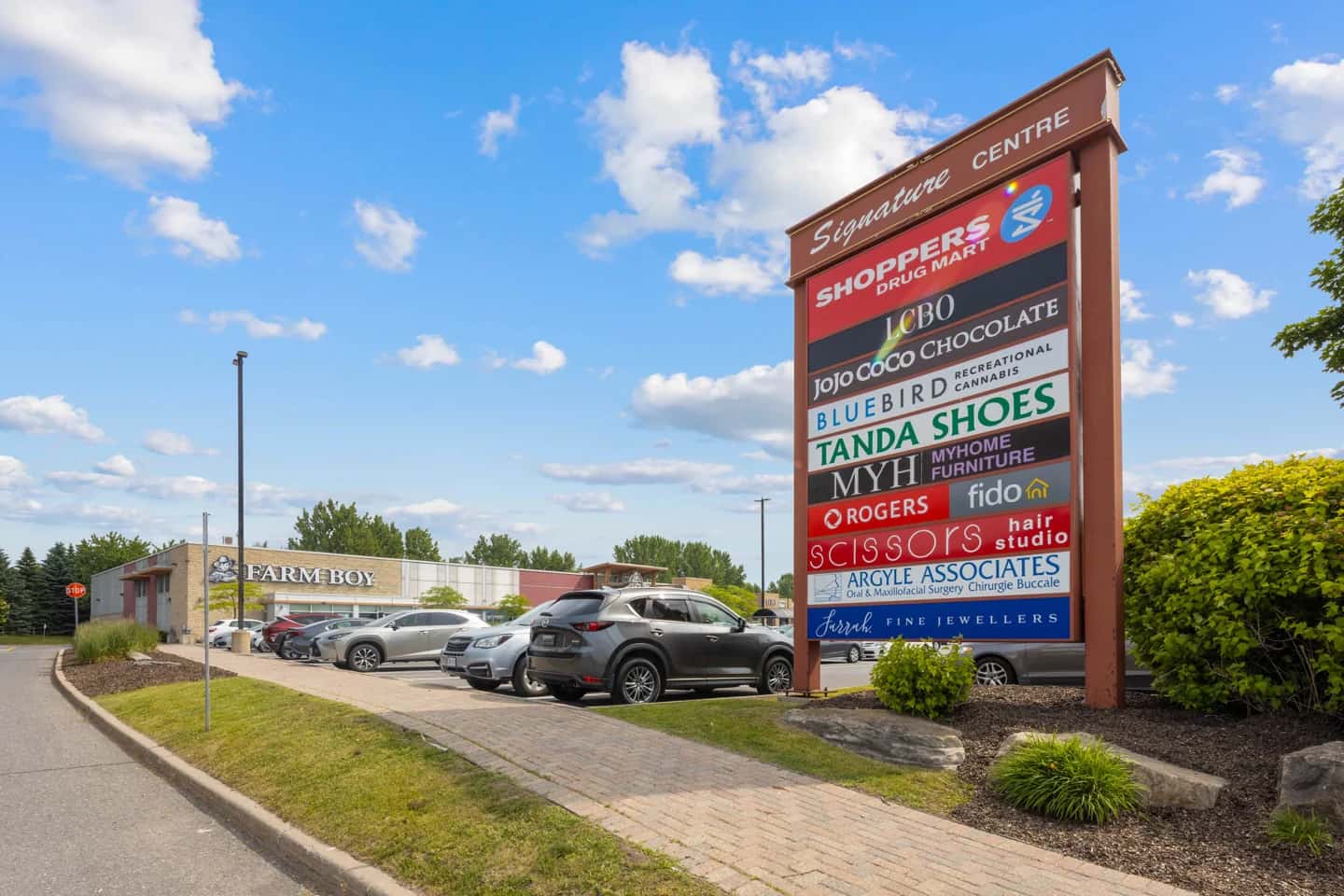
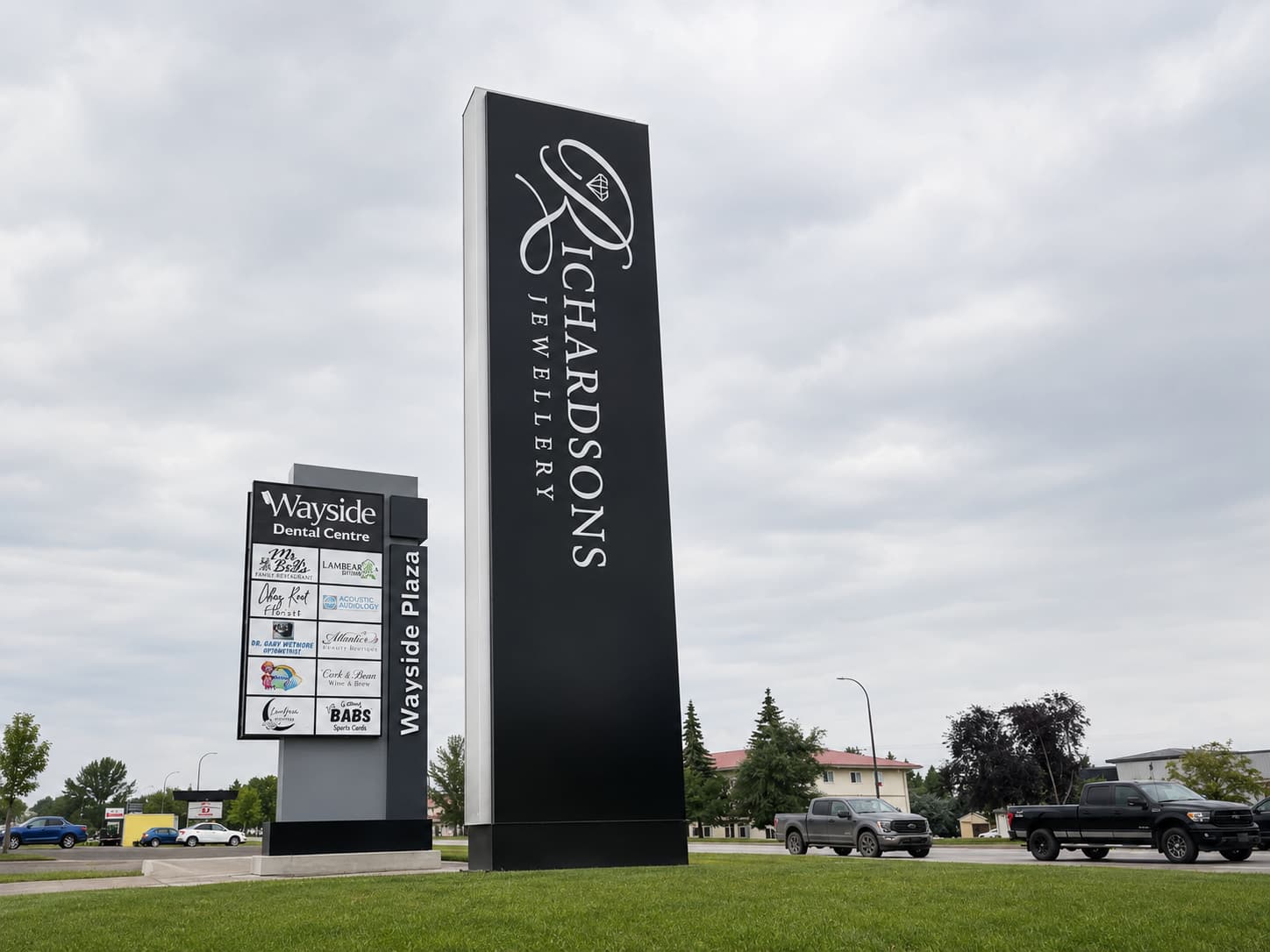
Tenant panels can be stacked vertically for shared visibility.
Works for property identity, but may not give each tenant enough exposure.
Useful for reach, but not always the best entrance experience.
It can integrate with landscaping, stonework, architecture, and property style.
Pro Tip
Do not judge a signage plan only from a front-view rendering. Review the road angle, driving speed, viewing distance, night readability, local code, maintenance access, and whether visitors need guidance before or after they enter the site.
Pylon Signs vs Monument Signs: The Real Difference
Basic definitions are useful, but B2B buyers usually need more than a definition. They need to understand what each sign type does better, where it can fail, and which project details should be reviewed before production.
If your project depends on long-distance visibility, start with the pylon sign layout first. If the biggest concern is brand presentation at the entrance, start with the monument sign style first. For broader commercial site planning, you can also compare related outdoor business signs for commercial projects before finalizing the sign system.
Pylon Signs
Attract attention before customers arrive.
Roadside, highway, main street, large parking area, or commercial frontage.
Gas stations, shopping centers, hotels, auto dealerships, QSR, car wash sites, and retail plazas.
Height, viewing distance, cabinet size, illumination, tenant panels, structure, and service access.
Ignoring local height limits, wind load, foundation needs, LED layout, or nighttime readability.
Monument Signs
Confirm location when customers arrive.
Entrance, driveway, campus edge, building frontage, landscape area, or slow-traffic zone.
Hotels, campuses, medical centers, office parks, schools, municipal buildings, and commercial properties.
Architecture, brand style, landscaping, materials, eye-level readability, and entrance experience.
Designing for appearance but forgetting traffic angle, contrast, message size, and viewing distance.
If your property sits close to slow-moving traffic, a monument sign may create a stronger brand impression. If your site is behind a large parking lot, near a highway, or competing with many other businesses, a pylon sign usually gives the project a stronger visibility advantage.
What Most Basic Articles Skip: Build Details Matter
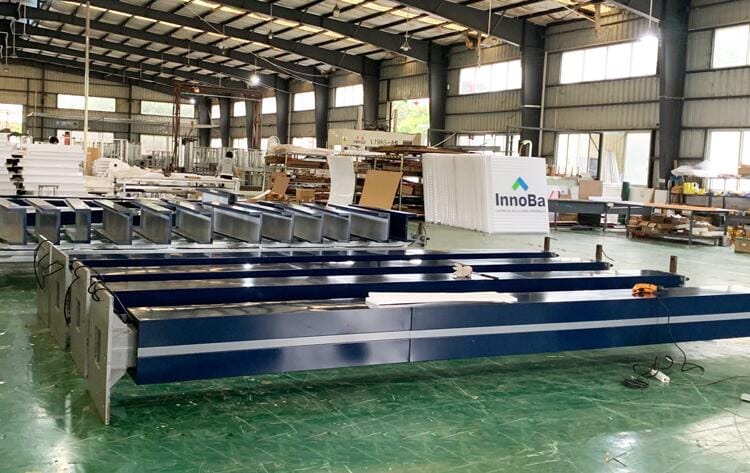
In real signage fabrication, the choice is not only about pylon versus monument. A buyer also needs to review the sign face, cabinet, lighting, structure, sealing, maintenance access, packaging, and installation conditions.
This is where a custom signage manufacturer becomes more useful than a simple definition article. The final sign has to be visible, buildable, serviceable, and suitable for the site. For illuminated pylon projects, the choice of pylon sign face materials can also affect light diffusion, color appearance, durability, and maintenance.
Important Note
Local sign codes may regulate sign height, setback, area, illumination, brightness, message display, electrical requirements, and structural conditions. Before production, buyers should confirm local requirements with the property owner, installer, engineer, or local authority. For general industry background, the International Sign Association provides useful resources on sign codes and regulations.
Cost Factors: Why Prices Can Vary So Much
A pylon sign or monument sign should not be priced from the name alone. Two signs with the same label can have very different costs depending on size, height, cabinet structure, sign face material, LED system, steel work, finish, foundation requirements, electrical components, packaging, and installation environment.
Pylon signs often involve more structural and visibility-related requirements. Monument signs may involve architectural finishes, masonry-style bases, landscape integration, or entrance design details. The practical approach is to review the full project scope instead of asking for a one-size-fits-all price.
Can One Project Use Both?
Yes. In many commercial projects, pylon signs and monument signs are not competitors. They work as a visibility system.
A gas station may use a tall illuminated pylon sign for roadside fuel price visibility and a lower sign near the entrance for direction or brand reinforcement. A retail plaza may use a multi-tenant pylon sign near the road and smaller monument signs at entrances. A hotel may use a pylon sign near a highway exit and a monument sign at the property driveway.
Before Requesting a Custom Sign Quote
A clear inquiry helps the signage manufacturer review design, material, lighting, structure, production direction, and packaging requirements faster.
- Logo or brand artwork
- Target size or rough sign dimension
- Installation location and site photos
- Pylon, monument, or combined signage direction
- Single-tenant or multi-tenant layout
- Illuminated or non-illuminated requirement
- Preferred sign face material or visual reference
- Local code, drawing, or installer requirements if available
Why Work With a Custom Signage Manufacturer?
For project-based commercial signage, standard catalog thinking is often not enough. A custom signage manufacturer can help review how the sign should be built, not only how it should look.
Grandview Sign Factory supports custom pylon signs, monument signs, sign cabinets, sign faces, illuminated signs, LED channel letters, gas station signage, and commercial signage fabrication. Buyers can share drawings, reference photos, logos, dimensions, installation locations, or project requirements for a practical review.
The goal is not to make the tallest sign possible. The goal is to make the right sign visible, readable, buildable, serviceable, and suitable for the site.
Pylon Sign vs Monument Sign FAQ
These questions are common during early commercial signage planning, especially when buyers are comparing visibility, budget, code requirements, and custom fabrication direction.
What is the main difference between a pylon sign and a monument sign?
A pylon sign is tall and designed for long-distance roadside visibility. A monument sign is lower and usually designed for entrance branding, property identification, and close-range visibility.
Is a pylon sign the same as a pole sign?
In many markets, people use “pylon sign” and “pole sign” in similar ways. A pylon sign is generally a freestanding elevated sign supported by one or more poles or structural columns.
When should I choose a pylon sign?
Choose a pylon sign when your business needs to be seen from a road, highway, large parking lot, or commercial area with fast-moving traffic. It is also useful for multi-tenant properties that need shared visibility.
When should I choose a monument sign?
Choose a monument sign when the property entrance, campus edge, driveway, or building frontage needs a professional identity marker. Monument signs work well where visitors are already near the destination.
Are pylon signs more expensive than monument signs?
Pylon signs often involve more structural work, height, cabinet fabrication, lighting, foundation review, and installation complexity. However, final cost depends on project-specific size, materials, engineering, lighting, and local requirements.
Can pylon signs and monument signs be illuminated?
Yes. Both can be illuminated. Pylon signs commonly use internal LED lighting, illuminated sign faces, tenant panels, or digital message displays. Monument signs can use internal lighting, external lighting, halo lighting, or integrated digital displays depending on design and code requirements.
What should I prepare before ordering a custom pylon sign?
Prepare your logo, target size, site photo, installation location, preferred sign type, illumination requirement, tenant layout if needed, and any local code or installer information. Drawings or reference images are especially helpful.
References and Useful Industry Resources
These neutral resources can help buyers understand sign visibility, code considerations, and illumination planning before starting a custom signage project.