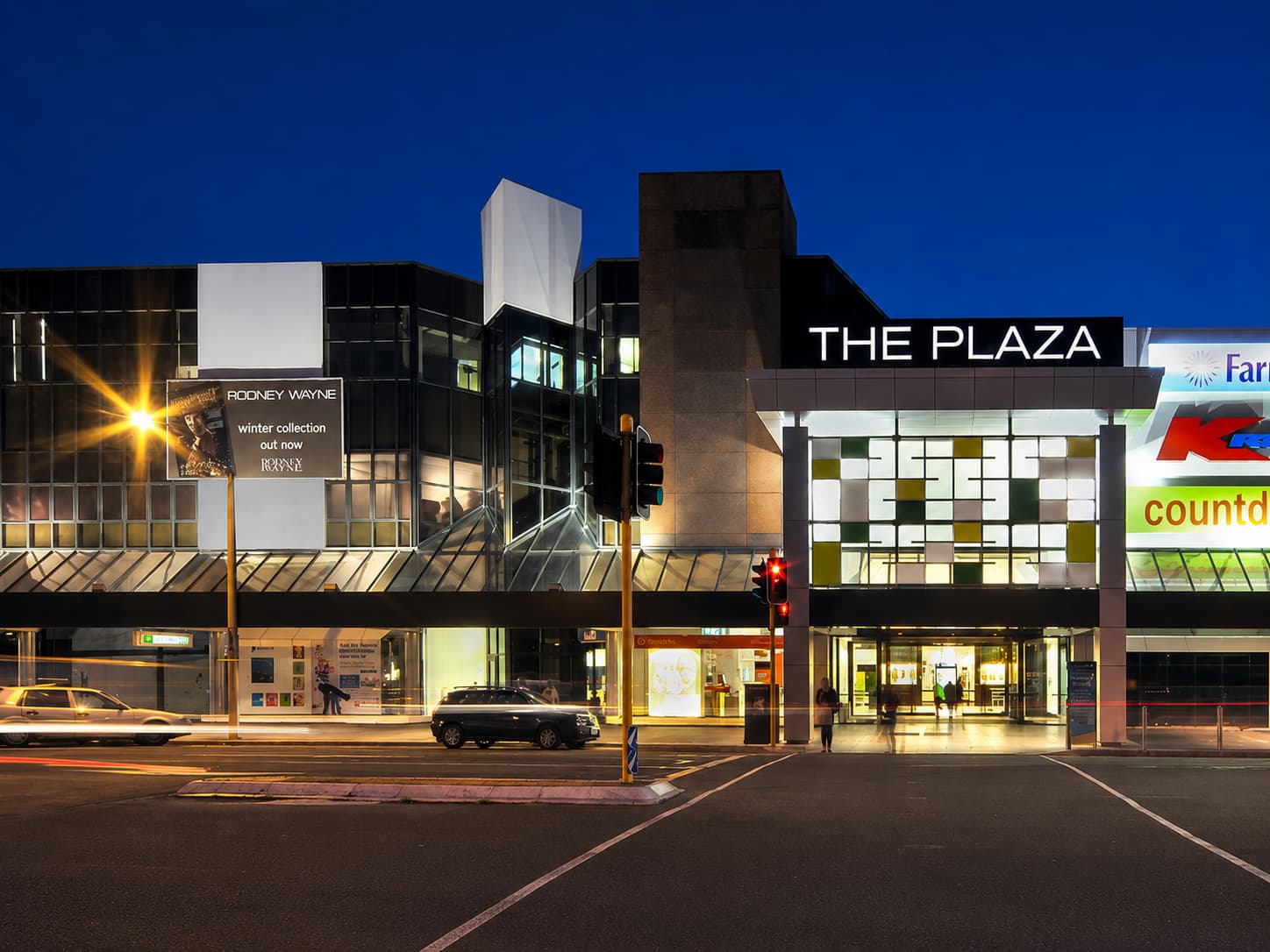


For many companies, visibility is not just a branding issue. It is a practical business problem. A store may have a strong product, a clean storefront, and a good location, but if drivers cannot notice it in time, many potential customers will simply pass by. This is why pylon signs for business are still one of the most effective outdoor signage solutions for roadside locations, gas stations, retail centers, hotels, restaurants, and commercial properties.
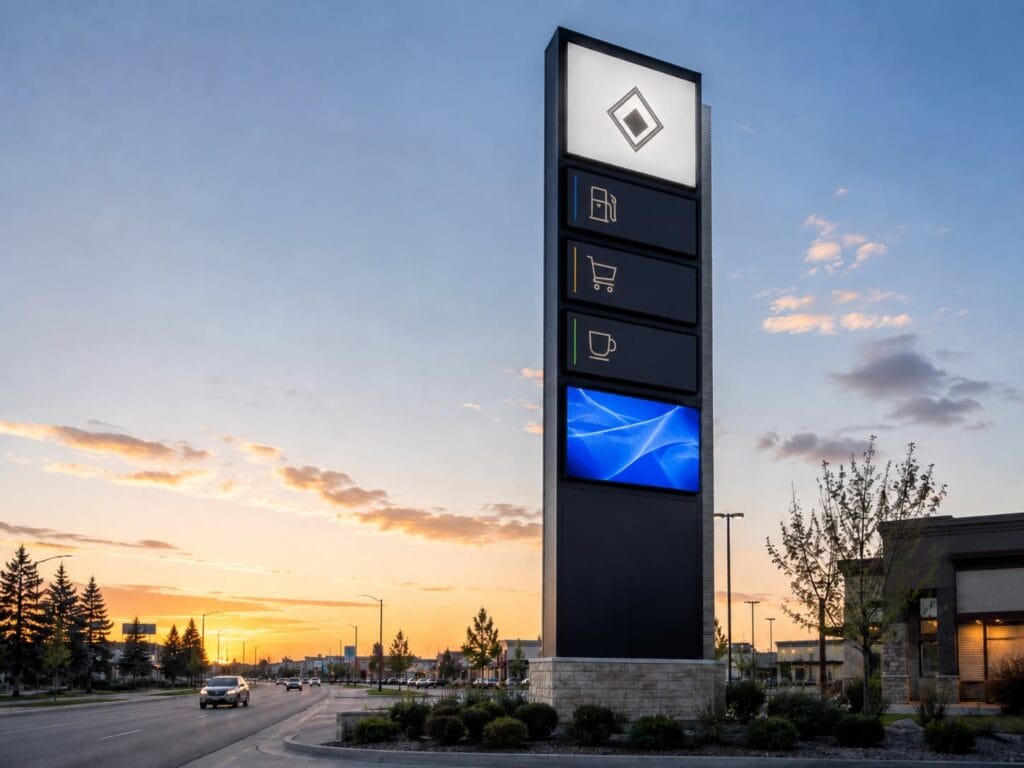
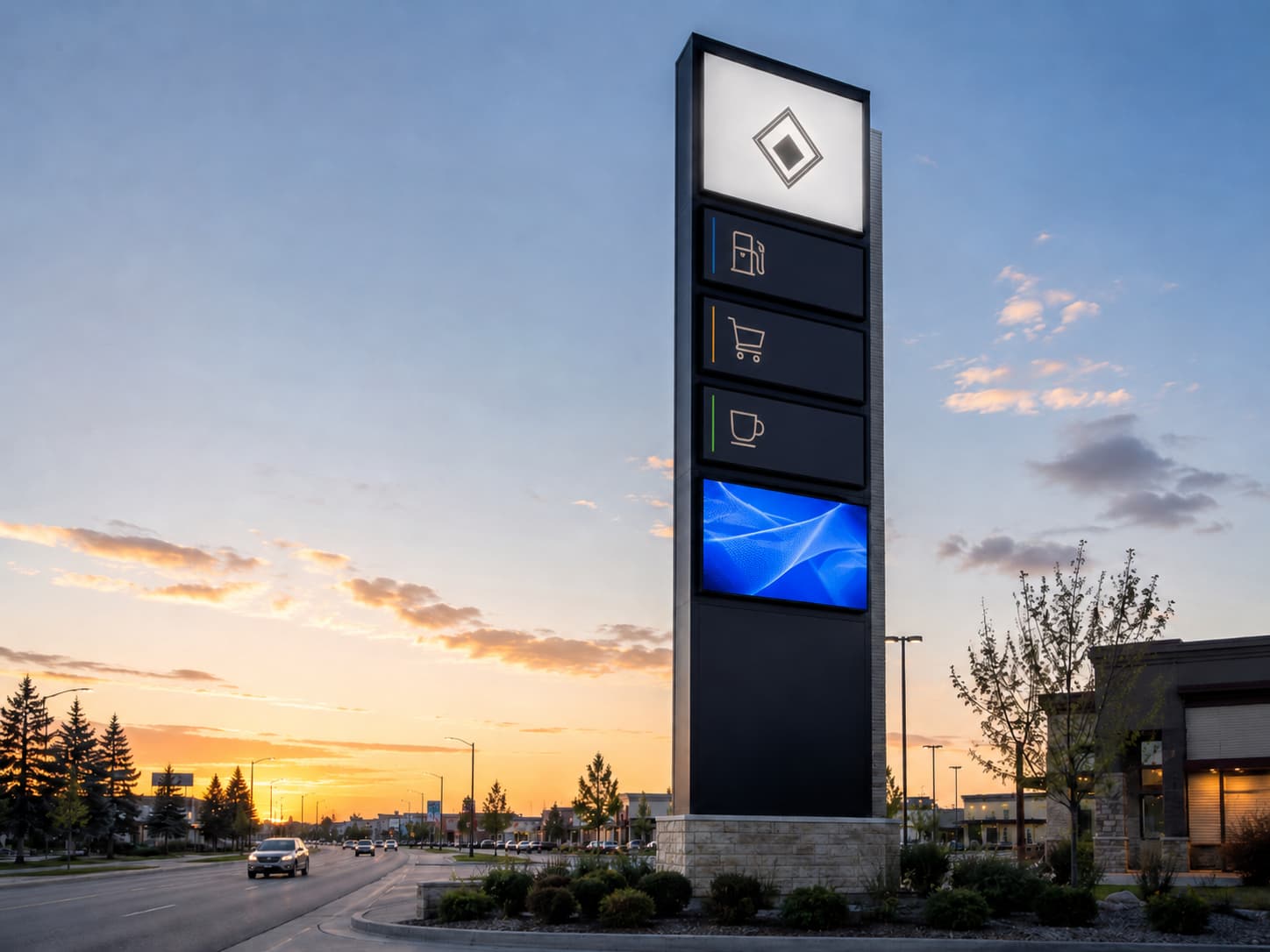
Unlike wall signs or small entrance signs, pylon signs are tall, freestanding structures designed to be seen from a distance. They help businesses rise above road traffic, parked vehicles, trees, nearby buildings, and visual clutter. For locations that depend on drive-by traffic, night visibility, or quick customer recognition, a well-designed pylon sign can become a long-term visibility asset.
However, not all pylon signs are the same. A basic sign cabinet for a small retail store is very different from a gas station pylon with LED price displays, modular panels, high-brightness lighting, and engineered structural support. For B2B buyers, the key question is not simply “Do we need a sign?” but rather “What kind of pylon sign will support our business location, brand image, and long-term operation?”
What This Article Covers
This guide explains how pylon signs support business visibility in real commercial settings. Instead of repeating a general buyer’s guide, it focuses on roadside recognition, gas station applications, retail visibility, and the manufacturing details that matter for long-term outdoor performance.
Visibility Strategy
Why pylon signs help roadside businesses get noticed earlier and guide more traffic to the entrance.
Industry Scenarios
How gas stations, retail stores, shopping centers, and commercial properties use different pylon sign solutions.
B2B Details
What buyers should know about materials, LED performance, modular design, and manufacturing quality.
Why Pylon Signs Matter for Business Visibility
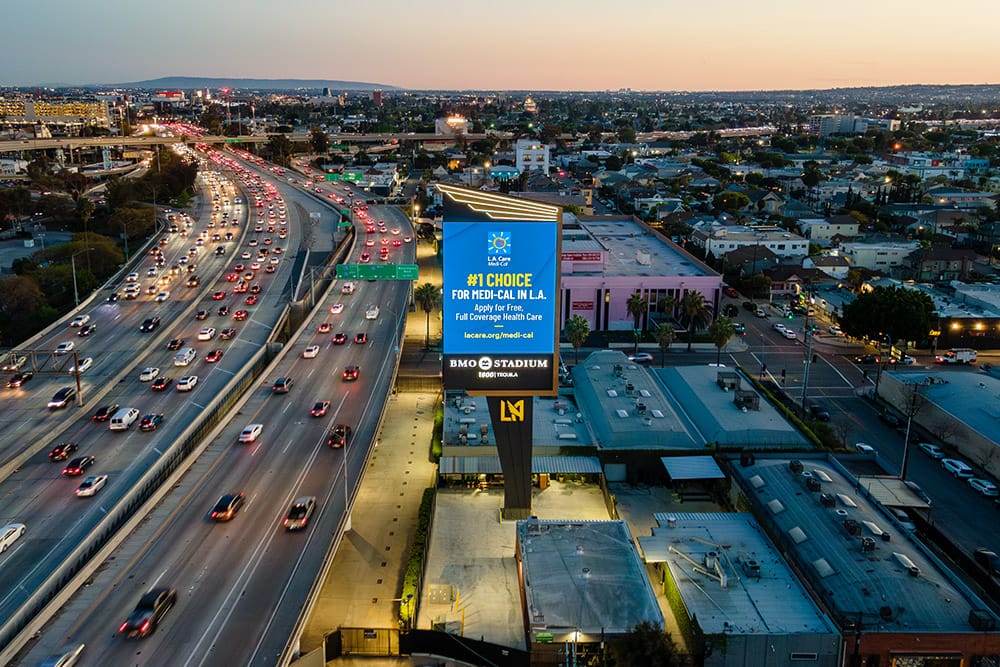
Customers often make decisions in seconds. This is especially true along busy roads, highways, fuel station entrances, shopping plazas, and commercial intersections. A pylon sign gives the business more time to be noticed before the customer arrives at the entrance.
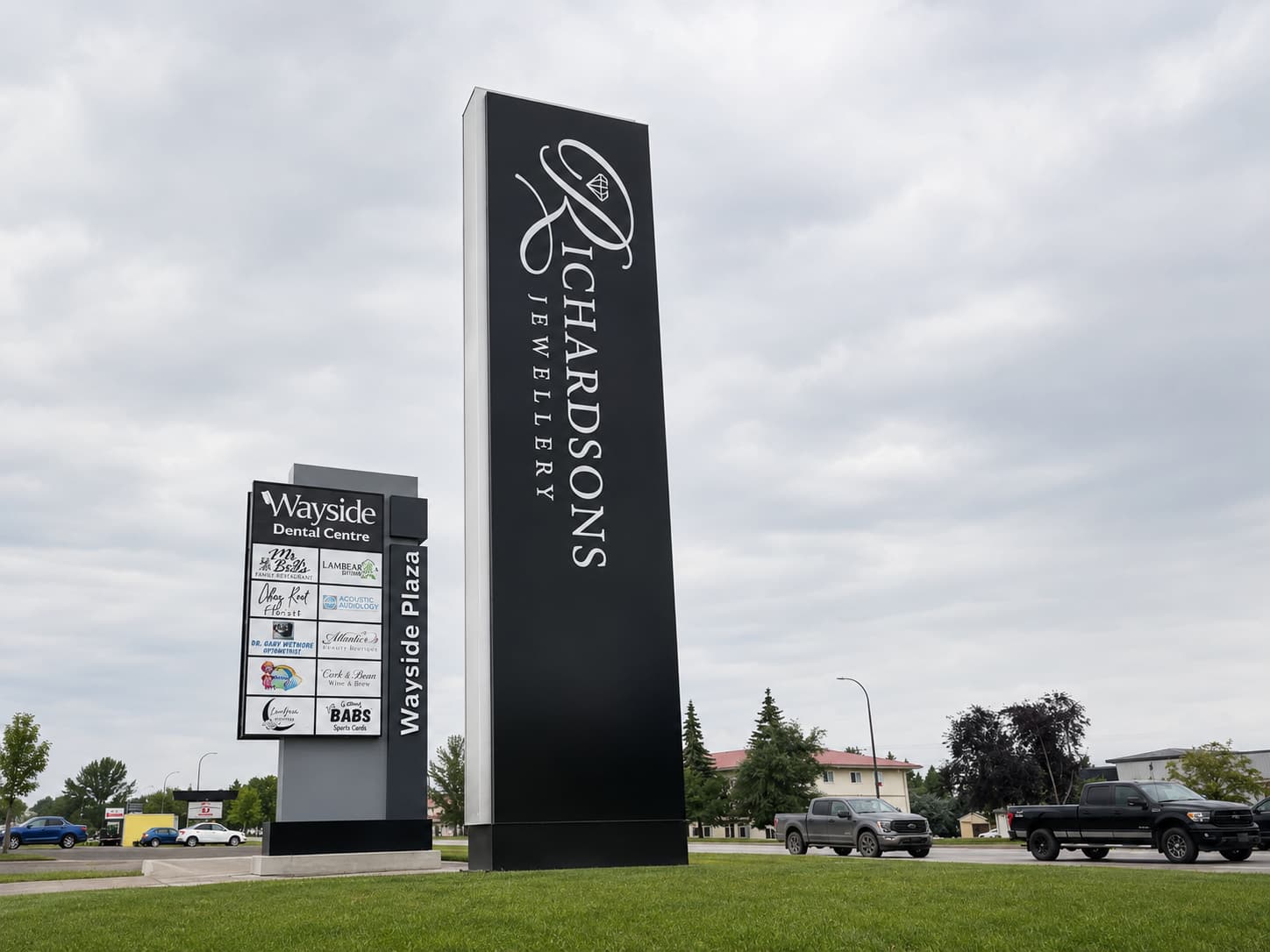
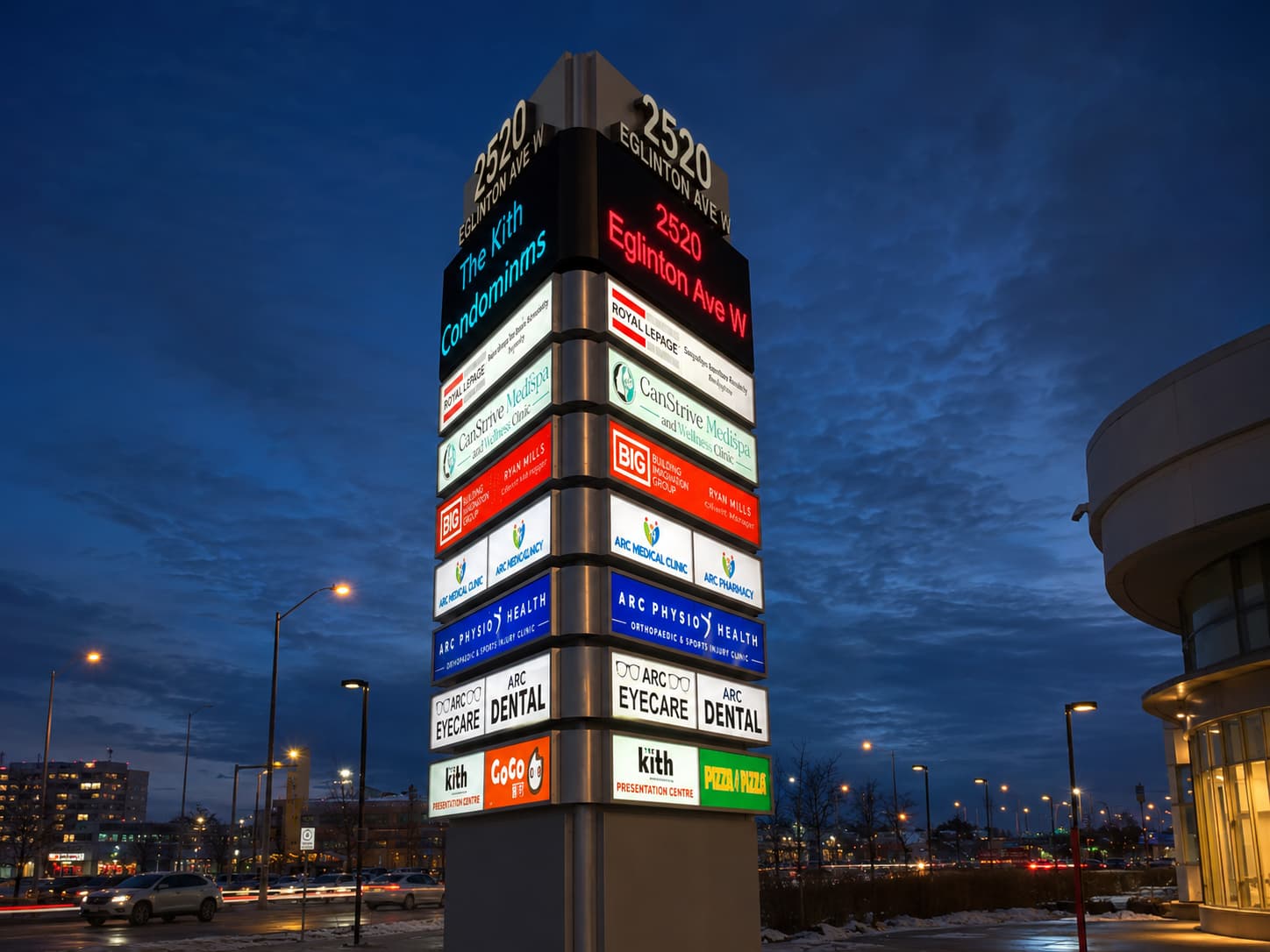
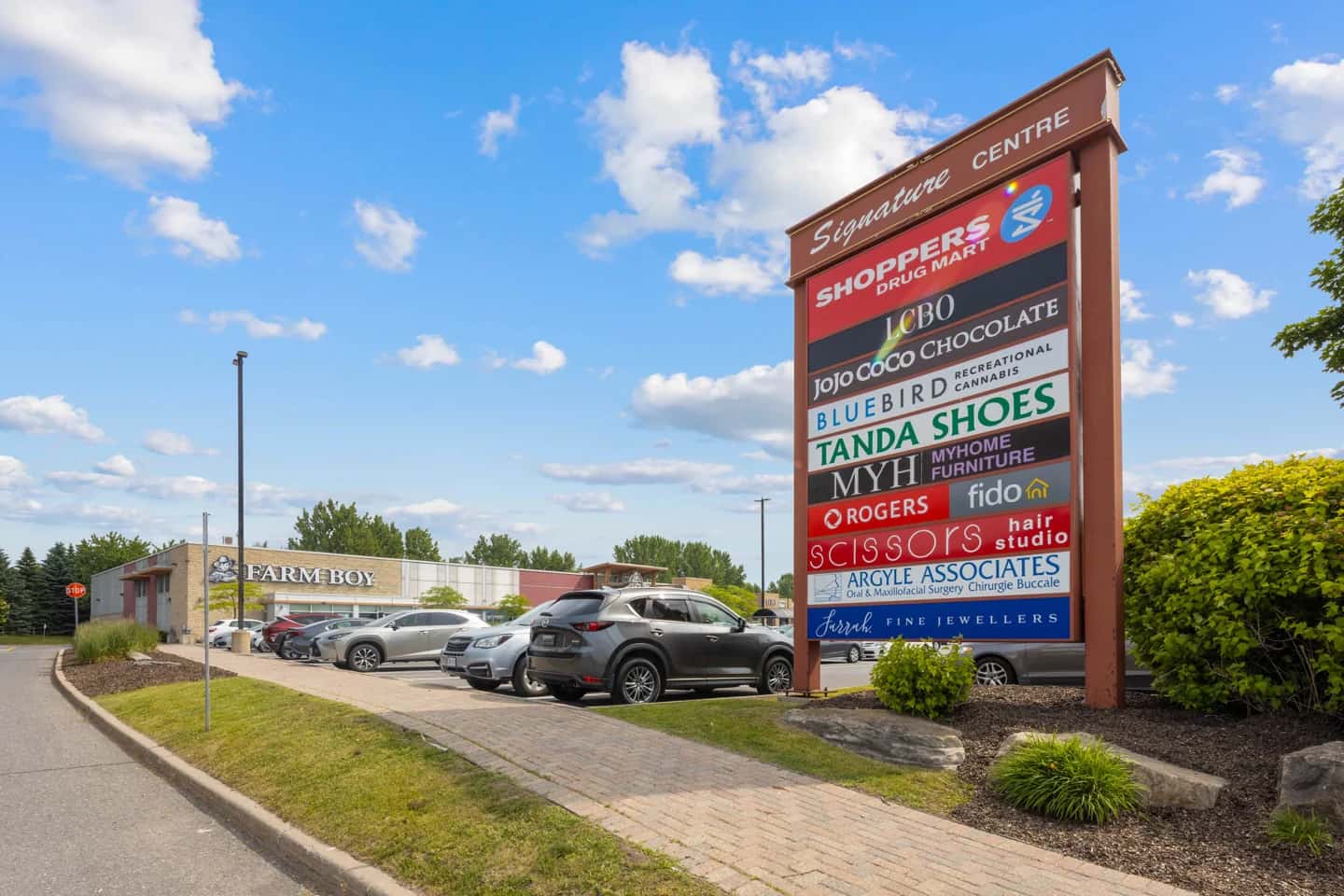
For gas stations, the pylon sign may show the fuel brand, gasoline prices, diesel information, and promotional messages. As shopping centers, it can display multiple tenant names in one organized structure. For retail stores and restaurants, it can make the brand visible beyond the storefront itself. For hotels and roadside services, it can guide travelers before they miss the entrance.
The main value of pylon signs for business is not just height. It is the combination of distance visibility, brand recognition, directional guidance, and 24/7 exposure. A sign that works during the day but disappears at night is incomplete. A sign that looks attractive up close but cannot be read from the road is also ineffective.
Pro Tip
When designing pylon signs for roadside use, always think about moving traffic first. Drivers often have only a few seconds to notice a business, read the message, and decide whether to turn in. A large logo, limited text, and strong contrast usually perform better than a crowded sign face.
Common Business Locations That Benefit from Pylon Signs
Different businesses use pylon signs for different reasons. A gas station needs fuel price visibility. A shopping plaza needs tenant identification. A hotel needs roadside guidance. A retail brand may need a clean, premium image that is visible from a main road.
| Business Type | Main Visibility Need | Recommended Pylon Sign Focus |
|---|---|---|
| Gas stations | Fuel brand and price visibility | LED price display, high brightness, durable cabinet |
| Retail stores | Roadside brand recognition | Large logo, simple message, illuminated face |
| Shopping centers | Multi-tenant identification | Replaceable tenant panels, organized layout |
| Hotels & restaurants | Entrance guidance and night visibility | Tall illuminated sign, clear directional design |
| Car washes & auto service | Drive-by customer attraction | Bold lighting, service message, LED display option |
| Commercial properties | Professional site identity | Architectural design, clean structure, long-term durability |
This is where the article angle becomes different from a simple buyer’s guide. The best pylon sign is not always the tallest or most complex one. It should match the business model, road environment, viewing distance, and customer behavior.
Gas Station Pylon Signs: More Than a Price Display
Gas stations are one of the strongest use cases for pylon signs. A fuel station pylon must be visible in bright sunlight, readable at night, and reliable in outdoor conditions. It often combines several systems in one structure: brand logo, cabinet lighting, LED gas price displays, fuel grade information, and sometimes digital message sections.
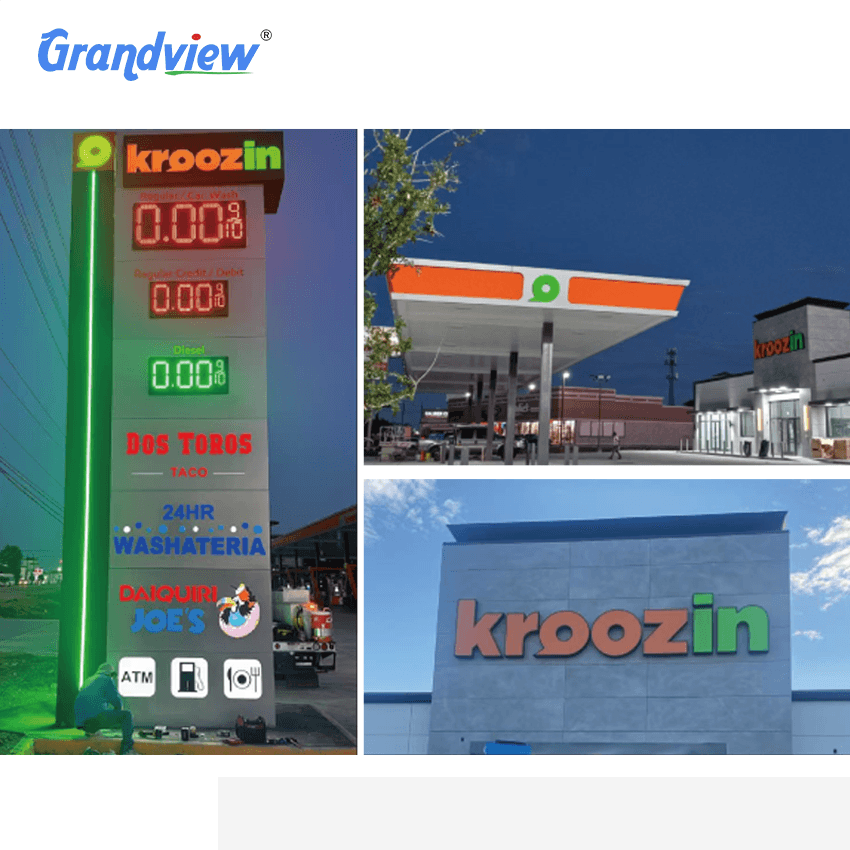
For gas station projects, buyers should pay special attention to brightness, heat dissipation, waterproofing, and maintenance access. A low-quality LED price board may look acceptable during installation, but problems can appear later: uneven brightness, failed LED modules, poor visibility under sunlight, water ingress, or difficult repairs.
A high-performance gas station pylon sign should consider:
- High-brightness LED displays for daytime visibility
- Clear fuel price digits with strong contrast
- Weather-resistant cabinet and electrical layout
- Proper ventilation and heat control
- Modular maintenance design for LED components
- Stable structure for long-term outdoor use
For international buyers, modular construction is also important. Instead of shipping a large fully welded structure that wastes container space, a modular system can help improve loading efficiency and simplify on-site assembly. This is especially useful for large fuel station projects, chain-store rollouts, and commercial signage programs across multiple locations.
Pro Tip
For gas station projects, do not evaluate LED price displays by indoor brightness alone. Outdoor readability under direct sunlight, heat dissipation, waterproof sealing, digit clarity, and maintenance access are far more important for long-term daily operation.
Design Priorities for Business Pylon Signs
A pylon sign should not try to display everything. Drivers do not have time to read long text. The most effective designs use a clear hierarchy: brand first, essential message second, supporting details last.
For example, a gas station should prioritize brand logo and fuel prices. A shopping center should prioritize tenant names in a clean order. A hotel or restaurant should focus on brand name, category, and entrance guidance. A retail store should avoid clutter and use strong contrast.
| Design Goal | Practical Recommendation |
|---|---|
| Improve long-distance visibility | Use large logo areas, high contrast, and simple typography |
| Support night traffic | Choose internal LED lighting or illuminated letters |
| Display fuel prices | Use high-brightness LED price modules |
| Serve multiple tenants | Use replaceable panels with consistent spacing |
| Create a premium brand image | Use clean cabinet design, aluminum cladding, and controlled lighting |
| Reduce maintenance difficulty | Plan access panels and modular electrical components |
Good pylon sign design is not just graphic design. It is a mix of visual communication, engineering, fabrication, lighting, and installation planning.
Materials and Manufacturing Quality Matter
Many articles mention common materials such as steel, aluminum, acrylic, polycarbonate, and LED lighting. But for B2B buyers, the real question is how these materials are used.
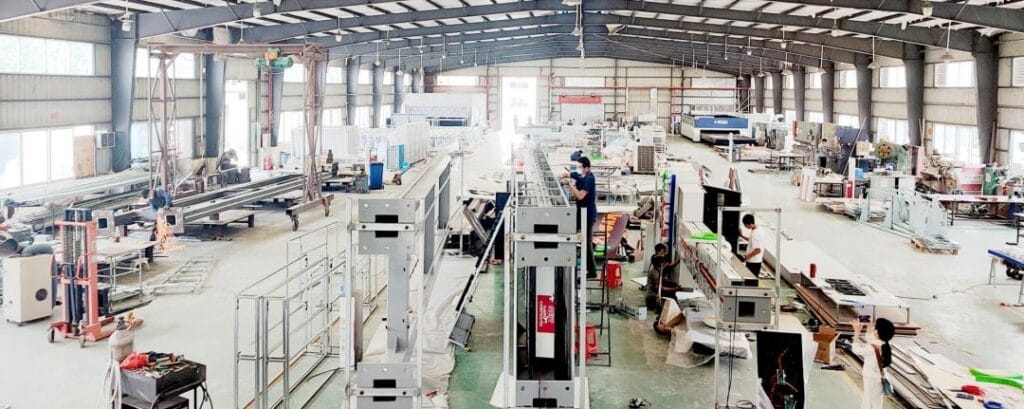
Steel is commonly used for the structural frame because it provides strength. Aluminum is often used for cladding, cabinets, and decorative covers because it is lighter and corrosion-resistant when properly finished. Acrylic and polycarbonate are used for sign faces because they can transmit light and support printed or vinyl graphics. LED modules are widely used for illumination because they are energy-efficient and easier to maintain than older lighting systems.
However, material names alone do not prove quality. Two signs can both use “acrylic and LED,” but one may have bright spots, uneven light, weak sealing, and early LED failure, while the other may provide smooth illumination and stable performance for years.
B2B buyers should ask suppliers about:
- Face material thickness and light transmission
- LED module brand, spacing, and service access
- Cabinet sealing and drainage design
- Surface finishing, paint, or powder coating process
- Structural frame drawings
- Wind load and foundation requirements
- Packaging method for overseas transport
This is where a source manufacturer can show value beyond basic signage supply. Custom manufacturing allows the sign to be designed around project drawings, branding requirements, lighting performance, and shipping conditions.
Pro Tip
Material names alone do not guarantee sign quality. When comparing suppliers, ask about panel thickness, LED spacing, cabinet sealing, drainage design, and replacement access. These details often make the difference between a sign that looks good at delivery and one that performs reliably for years.
Pylon Signs vs Other Outdoor Business Signs
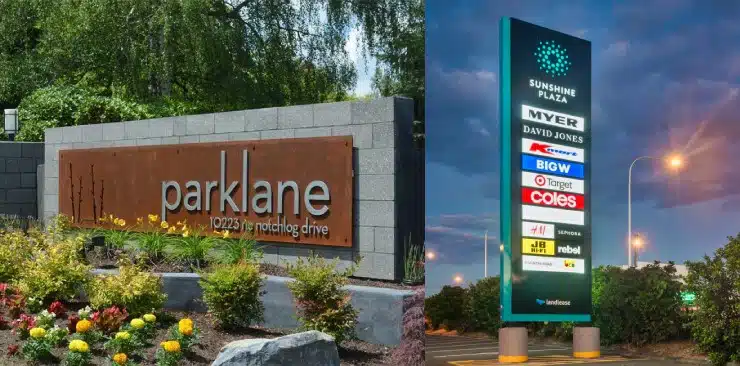
A business may use several types of outdoor signs at the same time. Pylon signs are not meant to replace every sign. Instead, they work best when long-distance visibility is the main goal.
| Sign Type | Best Use Case | Limitation |
|---|---|---|
| Pylon sign | Roadside visibility, gas stations, plazas, large properties | Requires engineering, foundation, and local approval |
| Monument sign | Entrance identity, low-speed areas, corporate campuses | Lower visibility from long distances |
| Wall sign | Storefront branding and building identification | Limited by building position and road angle |
| Channel letters | Premium brand display on facade | Usually less effective for far-distance traffic |
| LED message sign | Changeable promotions or price information | Needs proper brightness, control system, and content planning |
For many commercial locations, the most effective signage system combines several elements. A gas station may use a pylon sign, canopy sign, fuel price board, and building signs. A shopping center may use a pylon sign at the road entrance and wall signs for individual stores.
If you are still comparing structure types, read our buyer’s guide on how to choose the right pylon board.
Engineering, Permits, and Local Installation
One major reason pylon signs require careful planning is that they are structural outdoor signs. Height, wind load, foundation, electrical safety, zoning rules, and local sign codes can all affect the project.
Most regions have rules for maximum sign height, setback from roads, lighting brightness, display area, and electrical installation. For this reason, business owners should not treat a pylon sign as only a visual product. It is also an engineered structure.
For overseas or cross-regional projects, the best workflow is usually:
- Confirm business location and visibility goal
- Review local sign code and height limits
- Prepare brand files, dimensions, and site photos
- Create design drawings and structural concept
- Confirm materials, lighting, and display functions
- Plan modular manufacturing and packaging
- Coordinate with local installer or contractor
- Complete installation, wiring, and final inspection
A manufacturer can support design, fabrication, lighting, and packaging, while local engineers or installers may be needed for foundation, permits, and final installation.
Modular Customization for Global Business Projects
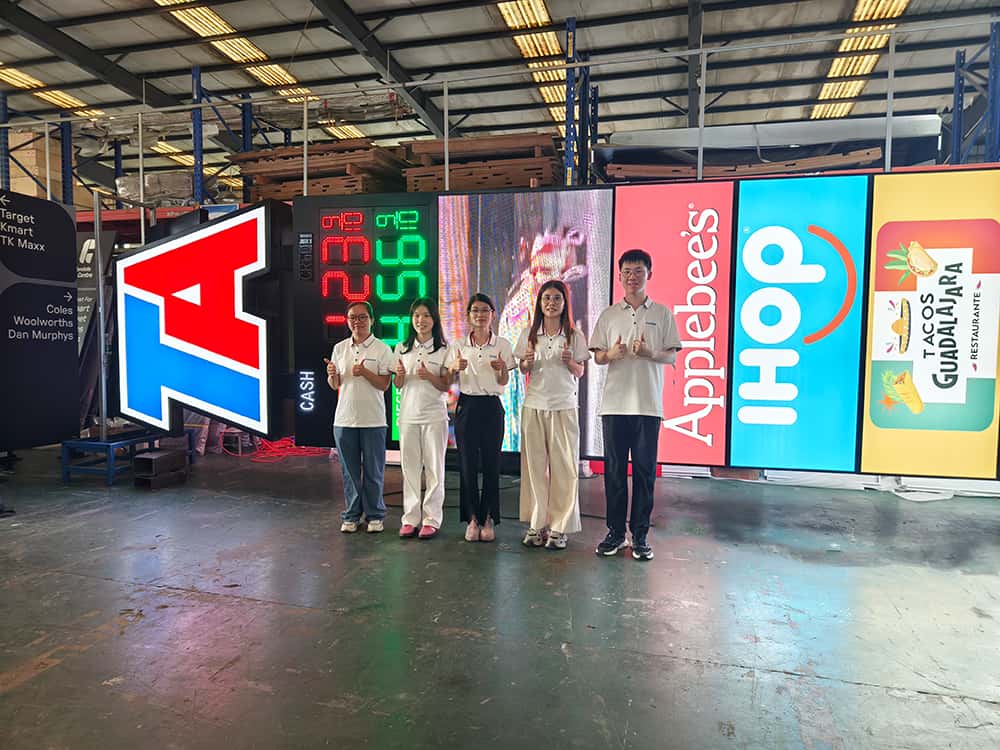
For international B2B buyers, modular design can make a major difference. Large pylon signs are heavy and difficult to ship if they are built as one complete structure. Modular assembly allows the sign to be divided into panels, cabinets, frames, faces, and electrical sections for more efficient packing and easier site handling.
This is especially valuable for:
- Gas station chains
- Retail brand rollouts
- Commercial property developers
- Overseas contractors
- Signage distributors
- Multi-location business projects
Modular pylon signs for business can reduce transportation challenges, simplify replacement parts, and support consistent brand standards across different markets.
What to Prepare Before Requesting a Quote
To get a more accurate proposal, buyers should prepare practical project information instead of only asking for a general price.
| Information Needed | Why It Matters |
|---|---|
| Business type | Helps define the correct sign function |
| Installation location | Affects height, visibility, and wind load |
| Approximate sign size | Helps estimate materials and structure |
| Logo and brand files | Required for accurate layout and color matching |
| Day/night visibility needs | Helps choose lighting and brightness |
| LED display requirement | Important for gas price boards or message centers |
| Site photos | Helps evaluate road angle and viewing distance |
| Local code information | Helps avoid design changes later |
| Shipping destination | Affects packaging and modular design |
A good supplier should help turn these details into a practical custom fabricated solution, not just provide a generic sign quotation.
Conclusion
Pylon signs for business are more than outdoor advertising structures. They are long-term visibility systems that help connect branding, traffic guidance, customer recognition, and engineering reliability. A well-planned pylon sign can help gas stations display fuel prices clearly, support retail stores and restaurants with stronger roadside recognition, and give shopping centers or commercial properties a more organized and professional site identity.
The most effective pylon sign is not always the tallest or most complex option. It should match the business location, viewing distance, lighting environment, brand image, maintenance needs, and local project requirements. For B2B buyers, choosing the right partner means looking beyond surface design and considering materials, fabrication quality, LED performance, structural planning, modular manufacturing, and global delivery support.
At Grandview Sign Factory, we focus on custom pylon signs, gas station LED price displays, illuminated sign cabinets, and modular signage solutions for commercial projects. If you are planning a new business pylon sign, preparing site photos, logo files, target dimensions, lighting requirements, and installation details can help us provide a more practical custom proposal.
FAQ
Pylon signs for business are tall, freestanding outdoor signs used to improve visibility for commercial locations such as gas stations, retail stores, shopping centers, hotels, restaurants, and roadside businesses.
Yes. Gas stations often use pylon signs to display brand logos, fuel prices, fuel grades, and promotional messages. LED gas price displays are especially important for clear day and night visibility.
A pylon sign is usually taller and designed for long-distance visibility from roads or highways. A monument sign is lower and is often used for entrances, campuses, and low-speed traffic areas.
Yes. Many gas station pylon signs include LED price boards or electronic message centers. Buyers should consider brightness, heat dissipation, waterproofing, and maintenance access.
Common materials include steel frames, aluminum cabinets or covers, acrylic or polycarbonate faces, LED modules, and painted or powder-coated finishes.
In many locations, yes. Height, sign area, lighting, setback, and foundation requirements may be controlled by local regulations. Buyers should check local sign codes before production.
Useful information includes business type, installation location, approximate size, logo files, site photos, lighting needs, LED display requirements, local code limits, and shipping destination.
References and Further Reading
The following neutral references were used to support the technical points in this guide, including sign codes, structural loads, electric sign safety, outdoor enclosure protection, and acrylic material performance.
-
International Sign Association – Codes & Regulations
Useful for understanding sign codes, permitting, zoning, and regulatory considerations for commercial signage projects. -
ASCE/SEI 7-22 – Minimum Design Loads and Associated Criteria for Buildings and Other Structures
A structural engineering reference related to design loads, including wind loads, which are important for tall freestanding signs. -
UL 48 – Standard for Electric Signs
A key standard for electric signs, outline lighting, and illuminated signage systems. -
NEMA Enclosure Types
Helpful for understanding outdoor enclosure protection against rain, dust, corrosion, icing, and other environmental conditions. -
PLEXIGLAS® – UV Resistance Information
Useful for understanding acrylic sheet weather resistance, light transmission, and long-term outdoor material performance.