

Why Sign Face Material Matters in Commercial Pylon Signs
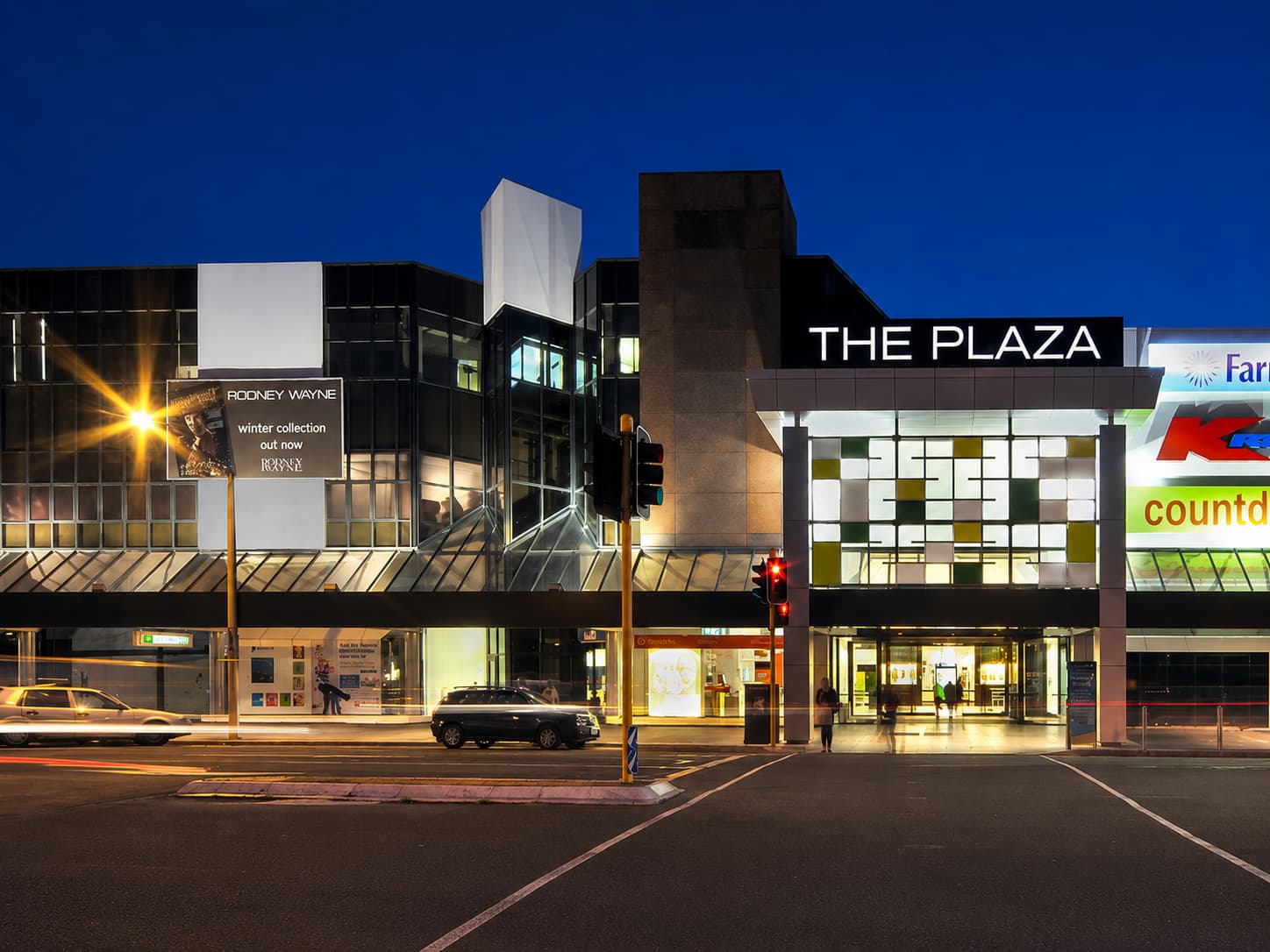
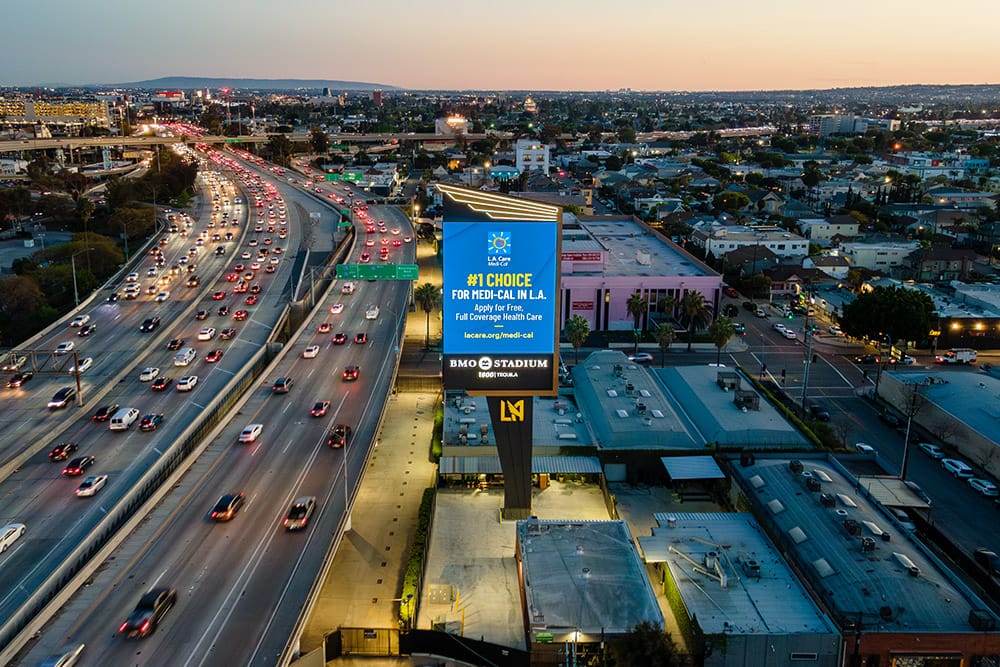
For many commercial projects, a pylon sign is not just a display surface. It is a visibility tool, a brand landmark, and often the first point of recognition for drivers, visitors, and customers. Whether the sign is used for a gas station, retail plaza, hotel, car wash, restaurant, or roadside business, the sign face material directly affects how the brand looks during the day, how clearly it reads at night, and how well it performs outdoors.
A pylon sign face must work together with the sign cabinet, LED modules, internal frame, graphics, sealing system, and installation environment. Choosing the wrong material may lead to uneven lighting, visible seams, color inconsistency, difficult maintenance, or higher replacement costs later.
For B2B buyers, the goal should not be to choose the cheapest panel. A better approach is to evaluate the complete signage system: material, lighting, structure, cabinet depth, weatherproof sealing, maintenance access, and fabrication method.
Planning a commercial pylon sign project? Send your logo, size, and installation location for a custom sign face review.
What This Article Covers
This guide helps B2B buyers compare common pylon sign face materials and understand how each option affects lighting, durability, maintenance, and custom sign fabrication.
Material Comparison
Compare acrylic, polycarbonate, flex face, and printed panels for custom pylon signs.
Lighting & Durability
Understand how sign face materials affect lighting, weather resistance, maintenance, and night readability.
Application Fit
Learn which materials are better for gas station pylon signs, retail plaza signs, roadside businesses, and multi-tenant commercial signage.
Cabinet & Structure
See how cabinet depth, LED modules, aluminum structure, and weatherproof sealing influence long-term performance.
Quote Preparation
Prepare the right project details before requesting a custom pylon sign quote from a signage manufacturer.
What Is a Pylon Sign Face?
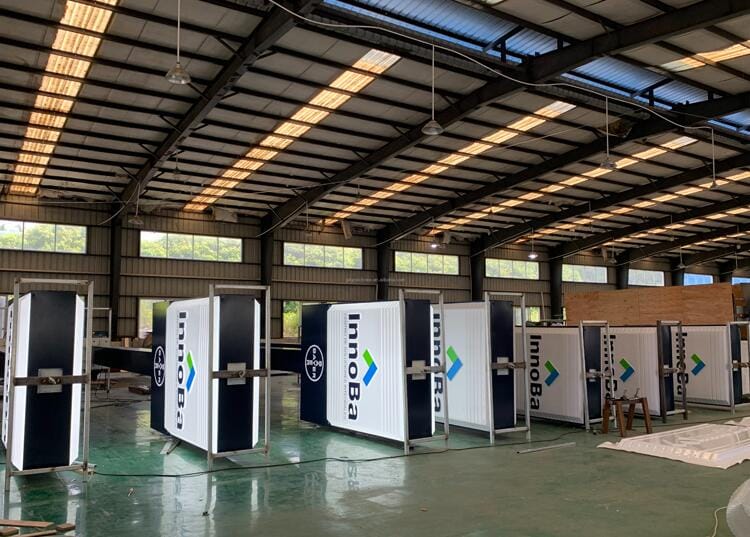
A pylon sign face is the visible front surface of a pylon sign. It carries the brand logo, tenant names, printed graphics, illuminated graphics, or other visual information. In illuminated pylon signs, the sign face also controls how light passes through the surface and how the graphics appear at night.
A sign face can be made from rigid materials such as acrylic or polycarbonate, flexible materials such as flex face, or printed panels such as ACM or other composite sign panels. The right choice depends on sign size, lighting requirement, outdoor exposure, brand effect, replacement needs, and project budget.
The Sign Face Is Part of a Complete Cabinet System
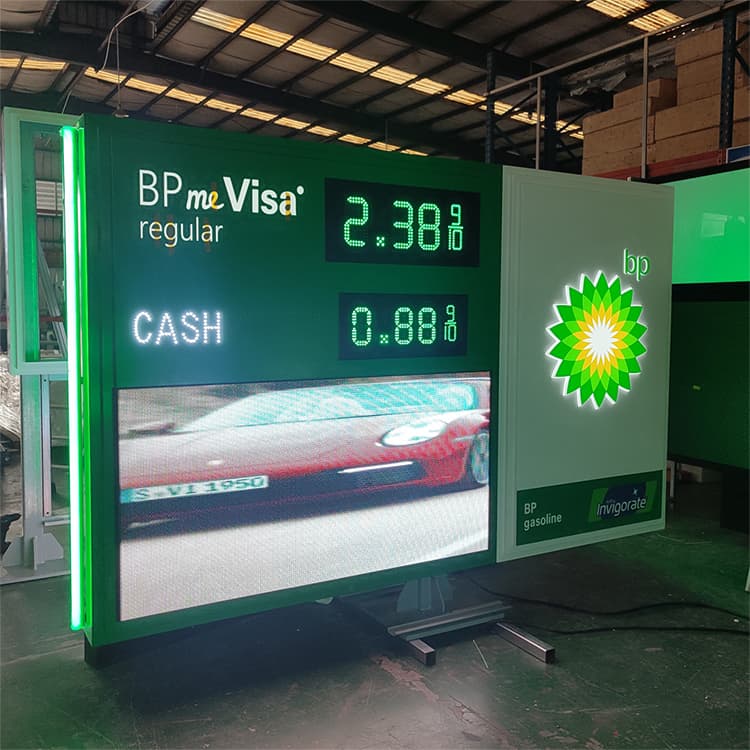
A pylon sign face should not be selected separately from the cabinet structure. Cabinet depth, LED spacing, frame retention, face thickness, print method, diffusion layer, and service access all affect the final result.
For example, a shallow cabinet with poor LED spacing may create hot spots even if the sign face material is good. A large rigid panel may require seams or stronger support. A flex face may perform well on large signs, but only when the tension system and frame design are handled correctly.
Main Types of Pylon Sign Face Materials
Acrylic Sign Faces
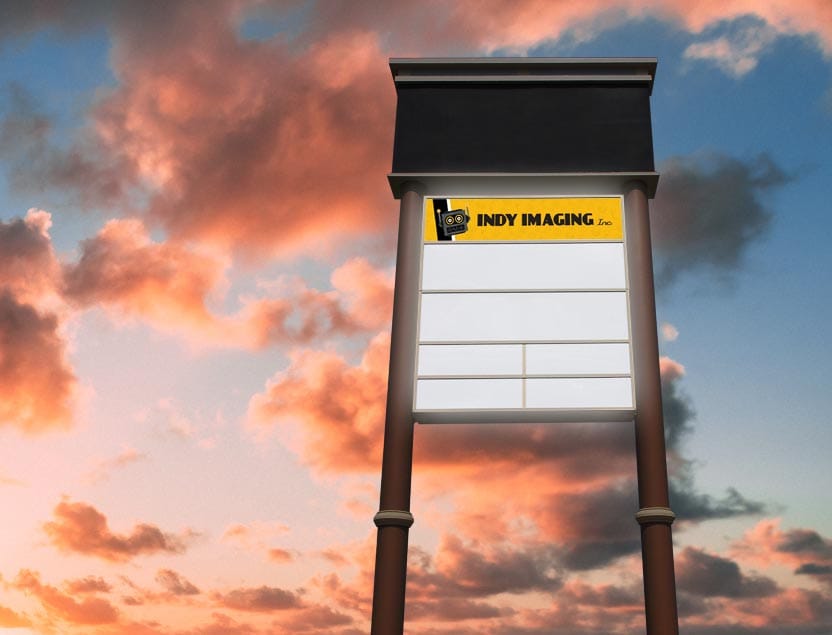
Acrylic sign faces are widely used in illuminated commercial signs because they offer a clean appearance, good light transmission, and a smooth surface for graphics. Acrylic is often suitable for medium-size pylon signs, storefront signs, cabinet signs, and brand signs where visual clarity and color presentation are important.
For custom pylon signs, acrylic can work well when the sign size, cabinet depth, LED layout, and thickness are reviewed together. However, very large acrylic faces may require panel segmentation or special handling during production and shipping. Buyers should also confirm whether the project requires flat-cut graphics, translucent film, printing, or routed details.
Polycarbonate Sign Faces
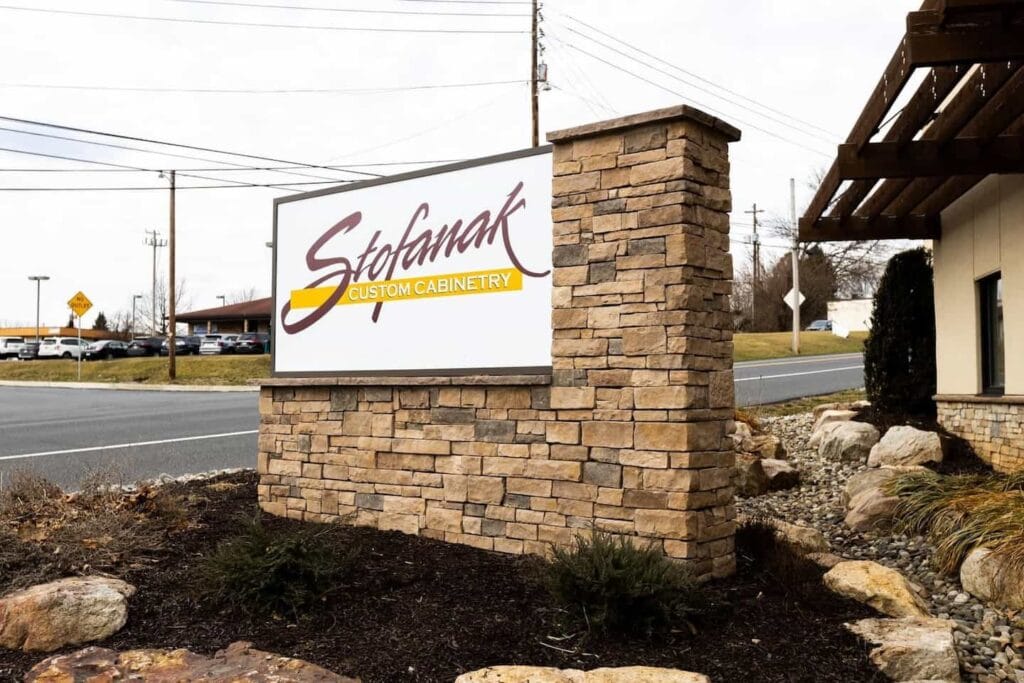
Polycarbonate sign faces are often selected when impact resistance is a higher priority. Compared with many rigid plastic materials, polycarbonate is known for stronger toughness, making it suitable for demanding outdoor sign applications, high-traffic areas, and locations where vandalism or impact risk may be a concern.
For outdoor pylon signs, buyers should confirm the correct grade, UV performance, surface protection, and printing method with the supplier. Polycarbonate may be a strong option for gas station pylon signs, roadside signs, public-facing commercial signage, and other projects where durability is important.
Flex Face for Large Pylon Signs
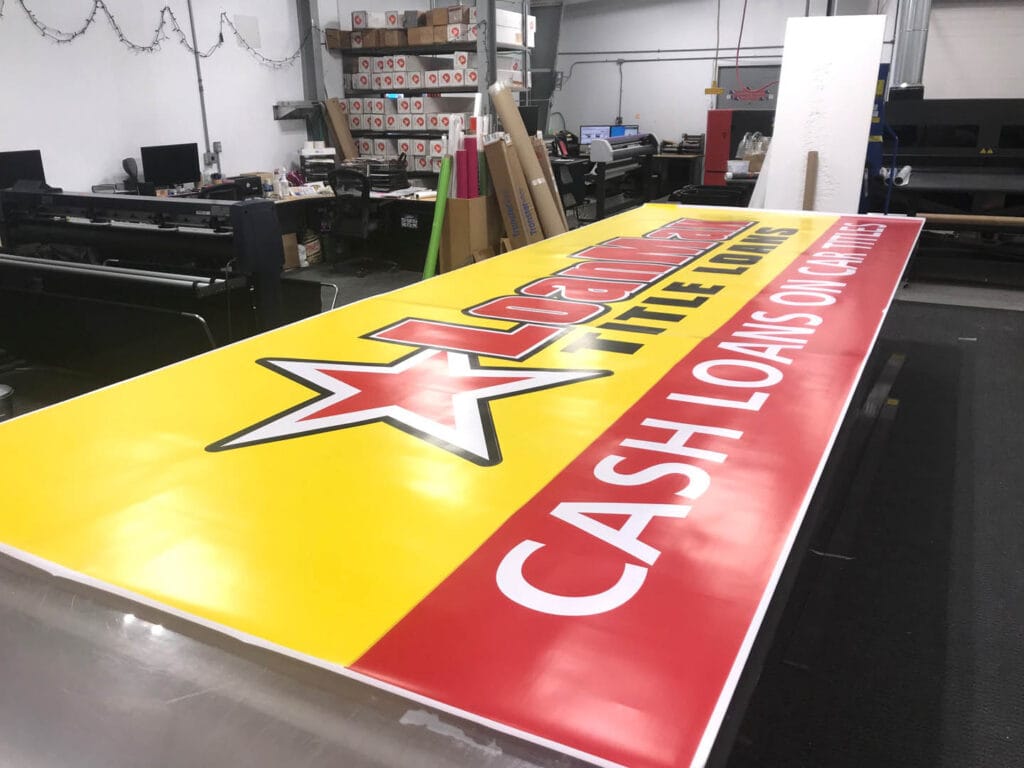
Flex face material is commonly used for large illuminated signs because it is lightweight and can cover wide sign cabinets with fewer visible seams. It is often used for retail plaza signs, shopping center signs, large roadside pylon signs, and gas station signage.
The main advantage of flex face is size flexibility. For large graphics, rigid panels may become heavy, difficult to ship, or visually interrupted by seams. Flex face can help solve some of these problems, but it requires proper tension, frame retention, and LED layout. If the face is not tensioned correctly, wrinkles, uneven graphics, or poor long-term appearance may occur.
Printed Panels and Composite Panels
Printed panels, including composite sign panels, are often used for non-illuminated signs, tenant panels, directional signs, temporary branding, or replaceable graphics. They can be cost-effective when the sign does not require full backlighting.
For illuminated signs, printed panels must be reviewed carefully. Not every printed panel is suitable for backlit use. Buyers should confirm the material, print method, ink or film compatibility, light transmission, and night color effect before production.
Pylon Sign Face Material Comparison
| Material | Best For | Key Advantages | Watch Points | Typical B2B Fit |
|---|---|---|---|---|
| Acrylic sign faces | Medium-size illuminated signs, brand signs, cabinet signs | Clean appearance, good light diffusion, smooth surface | Large sizes may require seams or careful support | Restaurants, retail stores, commercial buildings |
| Polycarbonate sign faces | Outdoor signs with higher impact risk | Stronger toughness and impact resistance | Confirm UV grade, surface protection, and printing method | Gas stations, roadside signs, public-facing locations |
| Flex face | Large illuminated pylon signs and wide cabinets | Lightweight, suitable for large graphics, fewer seams | Requires correct tension system and LED layout | Retail plazas, shopping centers, gas station pylon signs |
| Printed panels | Non-illuminated or replaceable graphics | Flexible branding and tenant updates | Not all panels are suitable for backlighting | Tenant panels, wayfinding signs, temporary graphics |
Pro Tip
For illuminated pylon signs, do not choose the sign face material separately from the LED layout. Cabinet depth, LED spacing, graphics, diffusion, and face material all affect night readability.
How Materials Affect LED Illumination and Night Readability
Lighting is one of the most important factors in pylon sign design. A sign may look good in a daytime rendering but perform poorly at night if the face material and LED system are not matched correctly.
Several factors influence illumination quality:
- LED module spacing
- Cabinet depth
- Sign face thickness
- Material light transmission
- Printed graphics or translucent film
- Internal reflection and diffusion
- Color temperature and brand color requirements
Poor LED spacing can create dark areas on the sign face. In addition, a shallow cabinet may make hot spots or stripes more visible, while overly dense printed graphics can reduce nighttime brightness. For brand projects, both daytime color and nighttime illuminated color should be reviewed before production. For brand projects, the daytime color and nighttime illuminated color should both be considered.
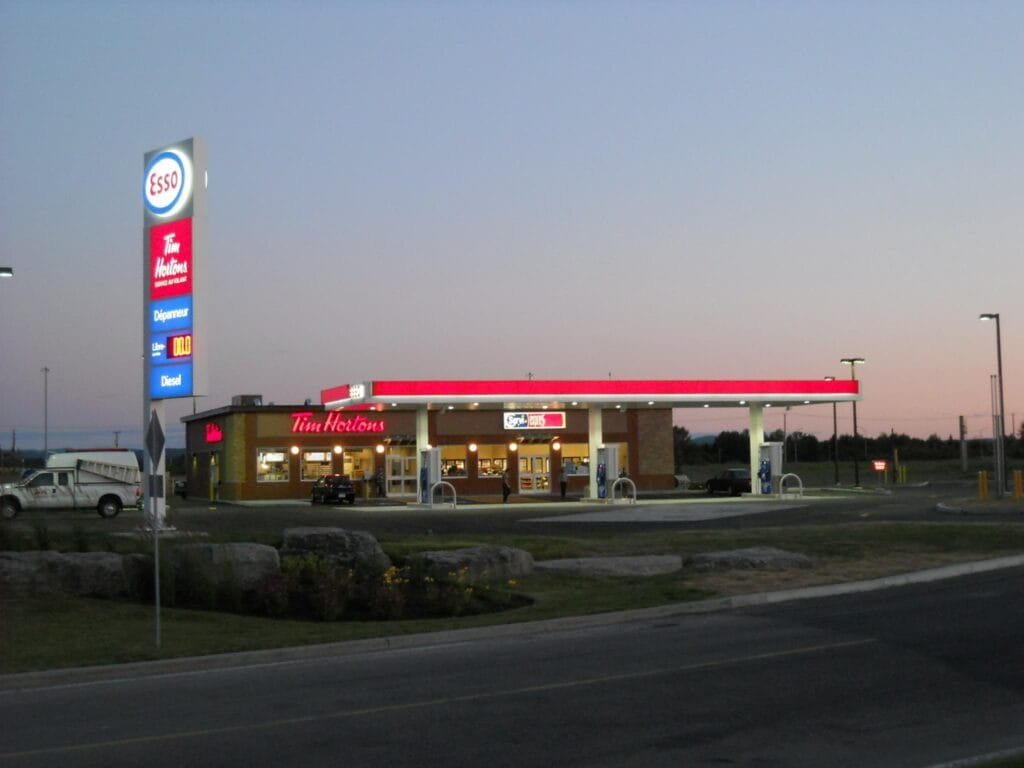
This is especially important for gas station pylon signs, retail plaza signs, and roadside business signs, where customers must read the sign quickly from a distance.
Application Guide: Which Material Works Better?
| Application | Key Priorities | Suitable Material Options | Notes for Buyers |
|---|---|---|---|
| Gas station pylon signs | Night readability, durability, easy maintenance | Polycarbonate, acrylic, flex face | Consider integration with gas station price signs and canopy signs |
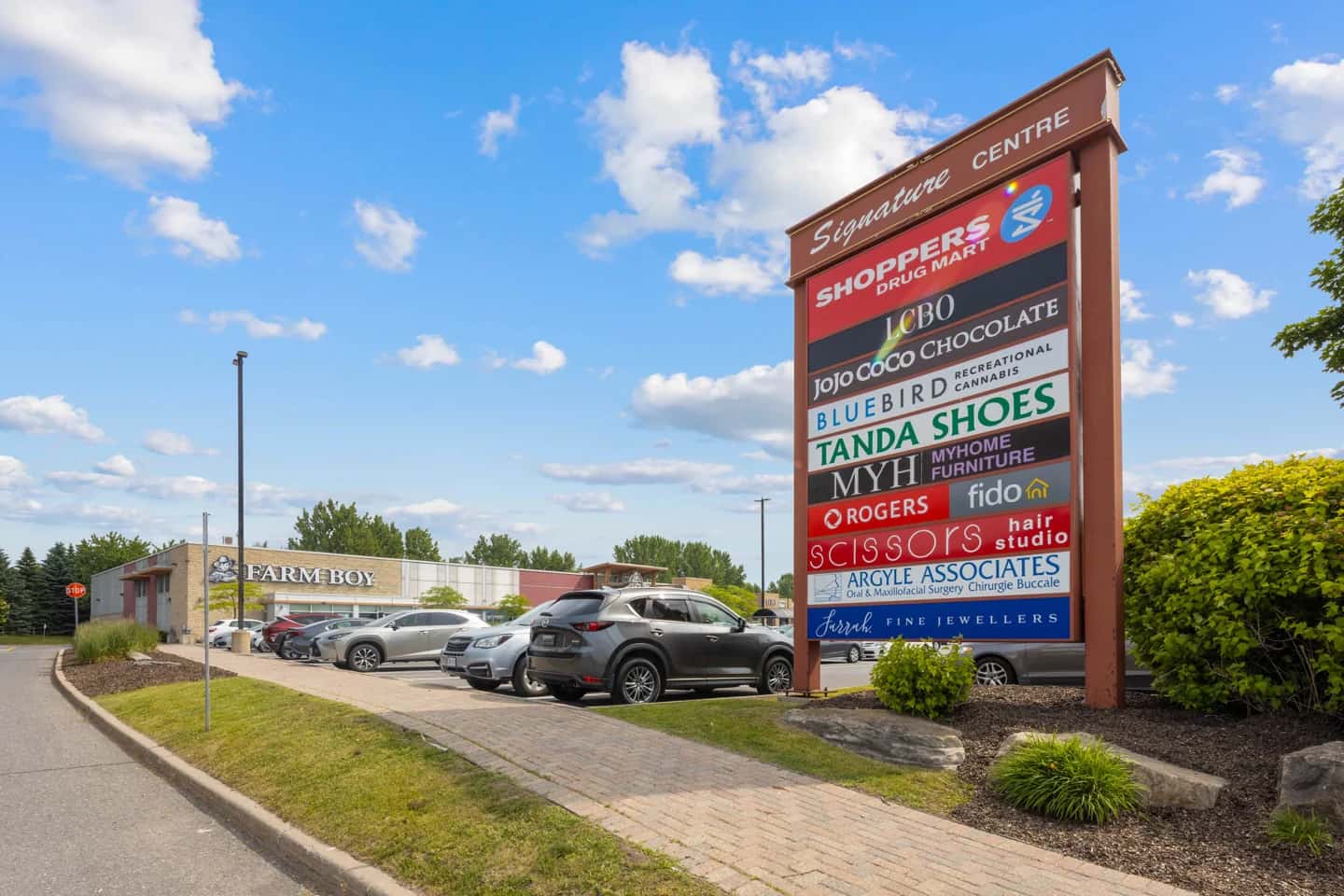
| Retail plaza signs | Tenant updates, large size, consistent lighting | Flex face, printed tenant panels, acrylic | Confirm replacement method for tenant panels |
| Roadside business signs | Long-distance visibility, weather resistance | Acrylic, polycarbonate, flex face | Review sign height, viewing angle, and illumination |
| Hotels and commercial properties | Brand appearance, clean finish, outdoor durability | Acrylic, polycarbonate, printed panels | Focus on color consistency and cabinet finish |
| Multi-tenant pylon signs | Easy updates, panel replacement, balanced lighting | Flex face, printed panels, acrylic inserts | Plan maintenance access before production |
Planning a gas station, retail plaza, or roadside commercial sign? Share your project details with Grandview Sign Factory for a custom signage review.
Structural and Fabrication Factors Buyers Should Consider
Aluminum Cabinet and Steel Structure
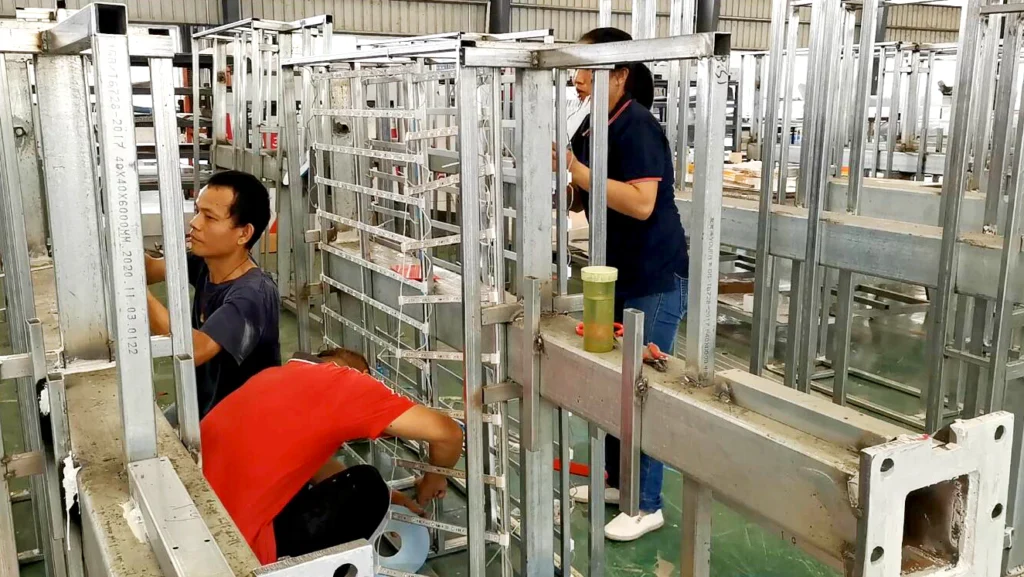
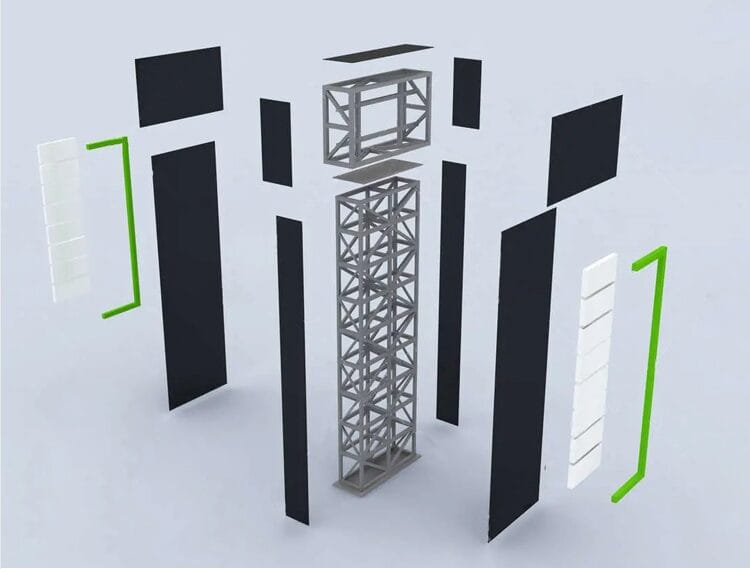
The sign face is only one part of the pylon sign. The cabinet and support structure are equally important. Aluminum cabinets are commonly used for sign body fabrication because they are workable, lightweight compared with steel, and suitable for outdoor sign structures when properly designed and finished. Steel structures may be used for support frames, poles, bases, or internal reinforcement depending on project requirements.
For large outdoor pylon signs, structural requirements depend on local code, installation height, wind conditions, foundation design, and engineering review. Buyers should confirm these requirements with the supplier, installer, or local engineer before final production.
Weatherproof Sealing and Drainage
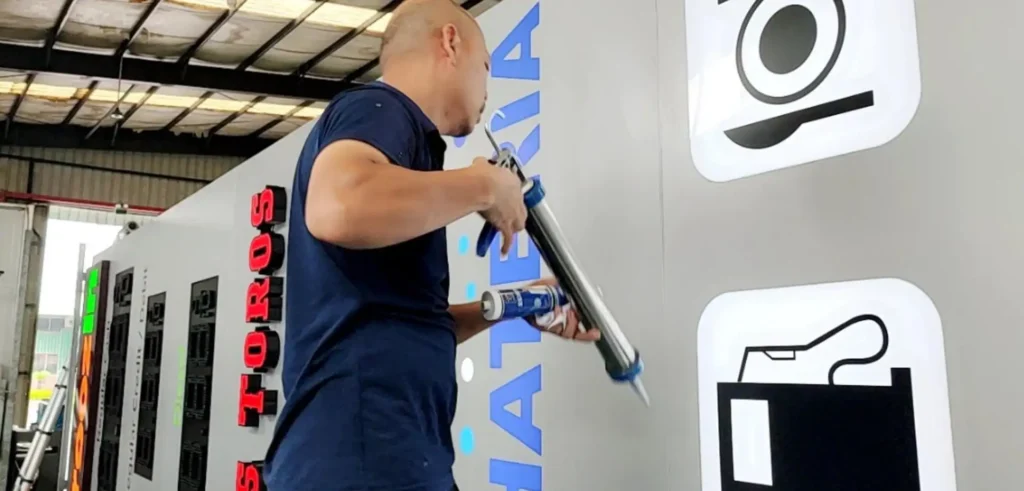
Outdoor pylon signs must handle rain, dust, temperature changes, and long-term exposure. Weatherproof sealing around the sign face, cabinet joints, access doors, and LED components is important for reliable performance.
Good cabinet design should also consider drainage and maintenance access. A sign that is difficult to open, inspect, or repair can create higher service costs later.
Maintenance and Replacement
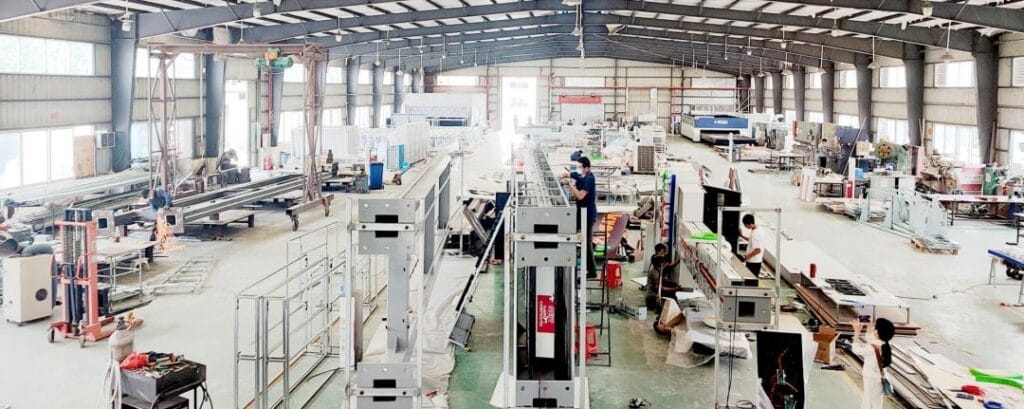
For commercial signage projects, the buyer should consider how the sign face may be replaced in the future. Retail plazas may change tenants. Gas stations may update branding. Chain stores may refresh graphics. If the sign face system is hard to remove or replace, future maintenance can become expensive and slow.
Flex face systems and tenant panel systems may be useful when regular graphic updates are expected. Rigid acrylic or polycarbonate faces may be better when brand consistency, flat appearance, and long-term durability are the main priorities.
Common Problems and How to Avoid Them
| Common Problem | Why It Happens | Better Approach |
|---|---|---|
| Uneven lighting or hot spots | Poor LED spacing, shallow cabinet, wrong face material | Review LED layout, cabinet depth, and diffusion before production |
| Visible seams on large signs | Rigid panels are too large for available sheet size | Consider flex face or planned panel segmentation |
| Color mismatch at night | Daytime artwork was approved without illumination testing | Check backlit color effect, graphics, and LED color together |
| Difficult face replacement | Frame system was not designed for service access | Confirm maintenance and replacement method early |
| Outdoor material failure | Wrong material grade or poor sealing | Confirm outdoor use, UV performance, sealing, and drainage |
| Shipping damage | Large sign faces are not protected properly | Use protective film, reinforced packing, and export crating when needed |
Important Note
Outdoor sign performance is project-specific. Material choice should be reviewed together with local environment, cabinet design, installation method, lighting system, and maintenance plan.
What to Prepare Before Requesting a Custom Pylon Sign Quote
A clear inquiry helps a custom signage manufacturer evaluate the project more accurately. Before requesting a quote, buyers should prepare as much project information as possible.
| Information to Prepare | Why It Matters |
|---|---|
| Logo file or brand artwork | Helps review color, graphics, and fabrication method |
| Sign size and cabinet depth | Affects material selection, LED layout, and structure |
| Single-sided or double-sided requirement | Affects cabinet design, lighting, and face quantity |
| Illuminated or non-illuminated design | Determines material and lighting options |
| Installation location or site photo | Helps evaluate visibility, environment, and access |
| Reference image or design drawing | Speeds up technical review and quotation |
| Required quantity and delivery location | Helps plan production, packing, and export logistics |
| Maintenance or replacement needs | Helps choose face retention and panel system |
Need help choosing materials, lighting, or structure? Send your logo, size, installation location, and reference image for a custom sign review.
Why Work with a Custom Pylon Sign Manufacturer?
A custom pylon sign manufacturer can review the sign face as part of the complete signage system. Instead of only supplying a flat panel, a manufacturer can help evaluate the relationship between sign face material, cabinet fabrication, LED modules, aluminum structure, steel support, weatherproof sealing, and packaging.
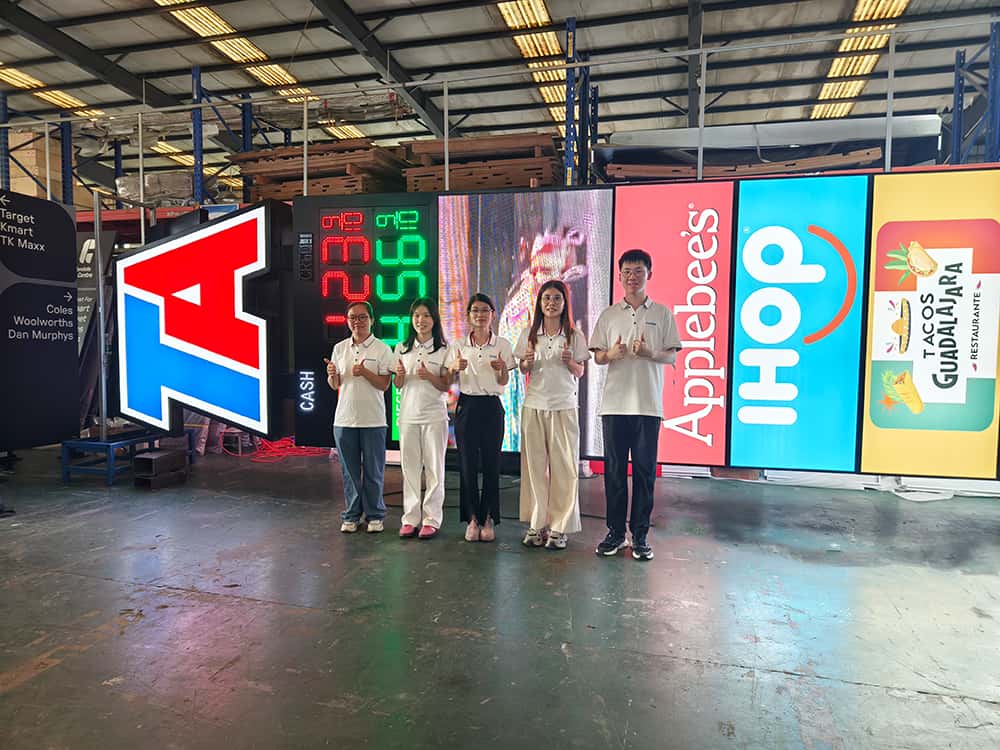
For B2B buyers such as sign companies, contractors, gas station project buyers, retail plaza developers, and brand owners, this project-based review can reduce material mismatch and improve long-term serviceability.
Grandview Sign Factory supports custom pylon signs, sign cabinets, sign faces, illuminated signs, gas station price signs, LED channel letters, monument signs, and commercial signage fabrication based on project requirements.
FAQ
There is no single best material for every project. Acrylic, polycarbonate, flex face, and printed panels all have different advantages. The best choice depends on sign size, lighting requirement, outdoor environment, replacement needs, and brand appearance.
Acrylic is often used for clean illuminated sign faces and smooth brand presentation. Polycarbonate is often preferred when stronger impact resistance is needed. Buyers should confirm material grade, thickness, UV performance, graphics method, and installation environment before choosing.
Flex face is often suitable for large pylon signs, wide illuminated cabinets, retail plaza signs, and projects where reducing panel seams and weight is important. It should be installed with a proper tension system and reviewed with the LED layout.
Some printed panels can be used for illuminated signs, but not all printed materials are suitable for backlighting. Buyers should confirm light transmission, printing method, ink or film compatibility, and nighttime color effect before production.
The material affects how light passes through the face. Thickness, color, diffusion, graphics, LED spacing, and cabinet depth all influence brightness, hot spots, and night readability.
Prepare your logo file, sign dimensions, single-sided or double-sided requirement, lighting needs, installation location, site photo, reference image, drawing, and expected quantity. These details help the manufacturer review materials, structure, lighting, and fabrication options.
Yes. Grandview Sign Factory can support custom pylon signs, sign faces, sign cabinets, LED illumination, gas station signage, gas station price signs, and related commercial signage fabrication based on project needs.
Conclusion
Choosing the right pylon sign face material is not only a material decision. It affects visibility, lighting, weather resistance, cabinet structure, maintenance, replacement, and long-term brand presentation. Acrylic, polycarbonate, flex face, and printed panels can all be effective when used in the right project context.
Grandview Sign Factory works with international B2B buyers on custom pylon signs, gas station signage, LED channel letters, illuminated signs, monument signs, sign cabinets, and commercial signage fabrication. If you are planning a custom pylon sign project, send your logo, dimensions, installation location, reference image, or drawings to discuss suitable sign face materials and fabrication options.
References and Further Reading
The following neutral resources are provided for readers who want to review general signage terminology, electric sign safety references, sign lighting considerations, outdoor structure criteria, visibility-related guidance, and material information for acrylic and polycarbonate sign faces. They are included to support technical understanding, not to compare competitor pricing or product claims.
International Sign Association — Glossary of Sign Terms
Useful for reviewing common signage terminology such as sign faces, cabinets, illumination, channel letters, electric signs, sign structures, and other terms that may appear in pylon sign and commercial signage projects. View source
International Sign Association — Sign Codes and Regulations
Helpful background for understanding why outdoor commercial signage projects may need to consider local sign codes, permitting, location requirements, height restrictions, illumination rules, and project-specific regulatory review. View source
UL Solutions — Electric Sign and Sign Component Manufacturers
Useful for readers who want to understand general electric sign safety references, including electric signs, sign components, LED sign kits, retrofit kits, and related electrical compliance considerations. View source
International Sign Association — Sign Lighting
Useful for understanding the role of illuminated signs in commercial, communicative, wayfinding, visibility, and safety-related contexts. This is relevant when evaluating LED modules, night readability, and illuminated pylon sign face performance. View source
FHWA — Manual on Uniform Traffic Control Devices
Although commercial pylon signs are different from official traffic control devices, this resource provides useful background on signing, road user guidance, visibility, symbols, and communication in traffic environments. View source
ASCE — ASCE/SEI 7 Minimum Design Loads and Associated Criteria
Helpful background for understanding why large outdoor freestanding signs, pylon signs, and sign structures should consider project-specific design loads, including wind-related requirements. View source
ASTM International — PMMA Acrylic Plastic Sheet Specification
Useful for understanding PMMA acrylic sheet specification language, which may relate to acrylic sign faces used in illuminated pylon signs, sign cabinets, and commercial signage projects. View source
ACRYLITE® — Flat Sign Faces
Useful for reviewing how acrylic flat sign faces are commonly used in sign cabinets and pylon signs, including general application context for acrylic sign face materials. View source
ACRYLITE® — Formed Sign Faces
Useful for readers who want to understand formed acrylic sign face applications, including vacuum or thermoformed sign faces used in commercial signage and outdoor sign projects. View source
Covestro — Makrolon® Polycarbonate Material Information
General material information for polycarbonate, including transparency, impact resistance, dimensional stability, and heat resistance references that may help buyers understand polycarbonate sign face options. View source
Note: Pylon sign face material selection and outdoor signage requirements can vary by location, local code, installation method, electrical design, material grade, lighting requirements, sign cabinet structure, wind exposure, maintenance access, and environmental conditions. Buyers should confirm project-specific details with their signage supplier, installer, engineer, or local authority before production and installation.