

What This Article Covers
This guide helps B2B buyers compare outdoor business signs for commercial projects and understand how sign type, materials, lighting, structure, and custom fabrication affect long-term performance.
Sign Type Selection
Compare pylon signs, monument signs, LED channel letters, illuminated signs, and wayfinding options for different commercial projects.
Visibility & Applications
Learn which outdoor business signs fit gas stations, retail plazas, storefronts, hotels, car washes, commercial buildings, and roadside locations.
Materials & Lighting
Understand how steel structure, aluminum cabinets, acrylic sign faces, polycarbonate faces, LED modules, and weatherproof sealing affect performance.
Quote Preparation
Prepare the right logo files, dimensions, site photos, drawings, lighting requirements, and project details before requesting a custom signage quote.
Why Outdoor Business Signs Matter for Commercial Projects

For commercial projects, outdoor business signs are more than exterior decorations. They help customers identify a location, read a brand from the road, navigate a property, and understand whether a business is open and professional. For gas stations, retail plazas, storefronts, hotels, car washes, and commercial buildings, the right sign type can improve visibility, night readability, brand consistency, and long-term maintenance.
A well-designed outdoor sign should answer several practical questions: Can drivers see it from the road? Is the sign readable at night? Does it match the brand identity? Can it handle outdoor exposure? Is the structure suitable for the installation location? Can the sign be maintained after installation?
For B2B buyers, outdoor business signs are rarely simple off-the-shelf products. A project may require custom pylon signs, gas station price signs, LED channel letters, illuminated signs, monument signs, sign cabinets, sign faces, and wayfinding systems. Each part needs to be considered based on visibility, materials, lighting, structure, installation environment, and project budget.
What Are Outdoor Business Signs?
Outdoor business signs are exterior signage systems used to identify, promote, and guide visitors to a business or commercial property. They can be installed on buildings, poles, ground bases, canopies, walls, entrances, or directional paths.
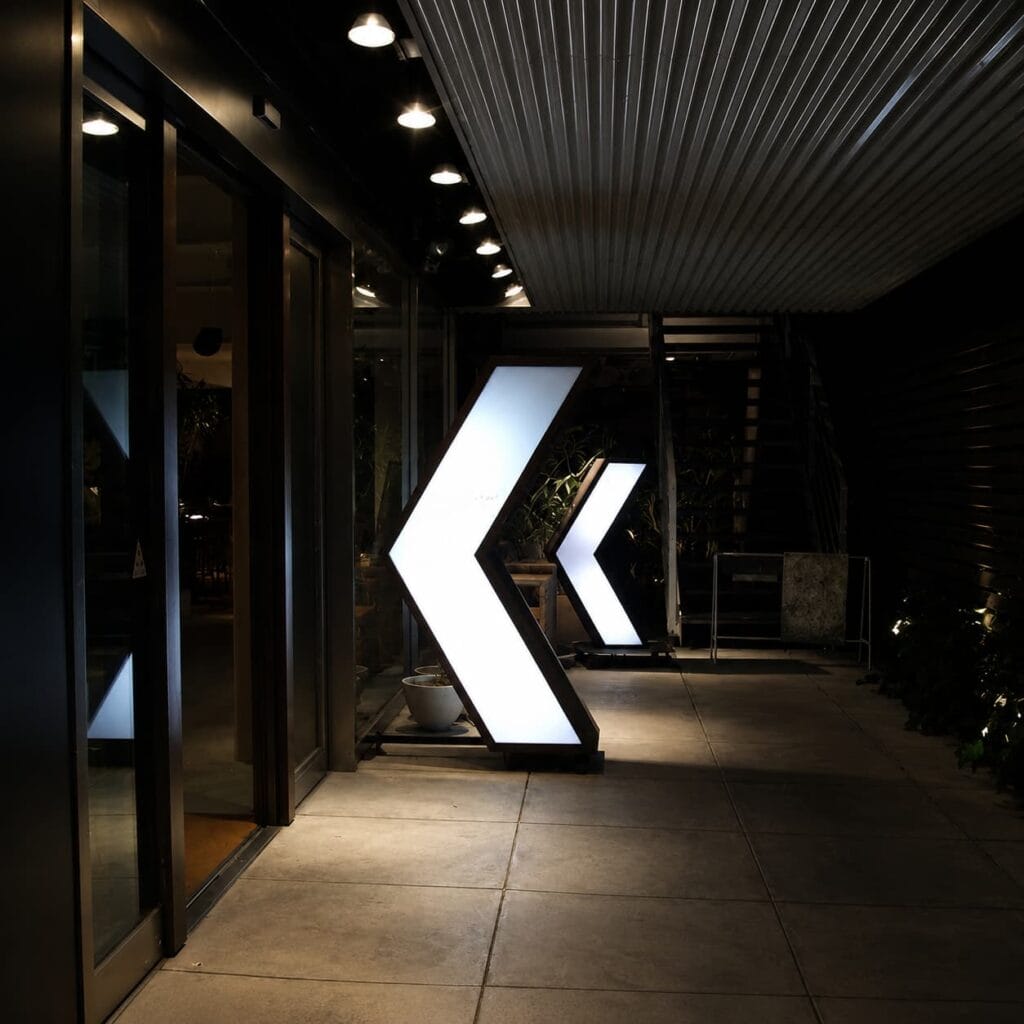
Common outdoor commercial signs include pylon signs, monument signs, LED channel letters, illuminated sign cabinets, gas station price signs, wayfinding signs, directional signs, and storefront signs.
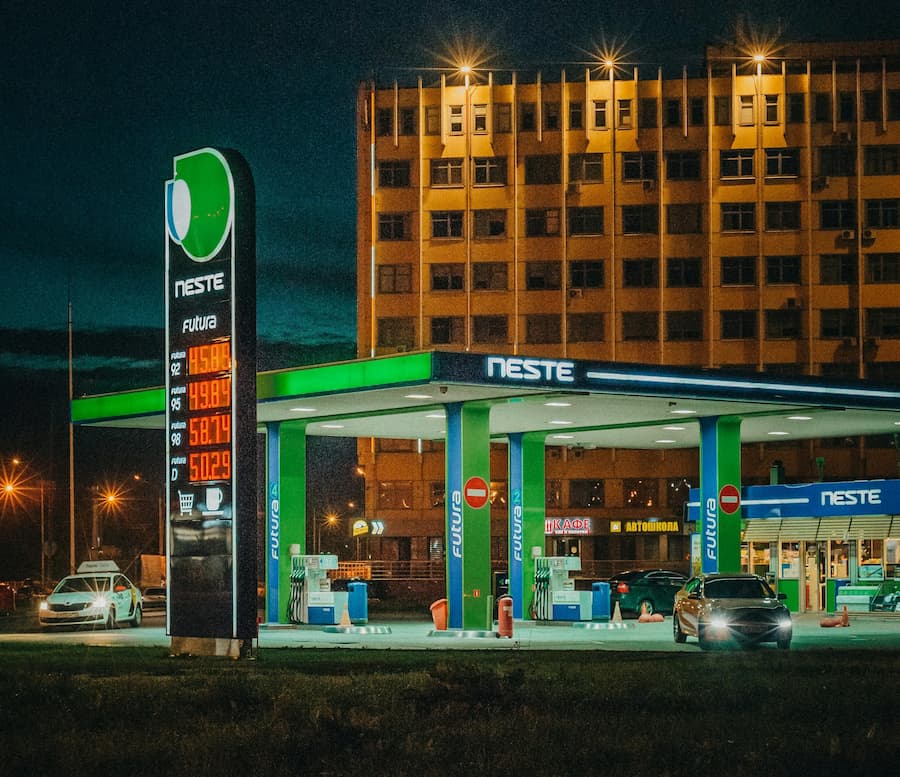
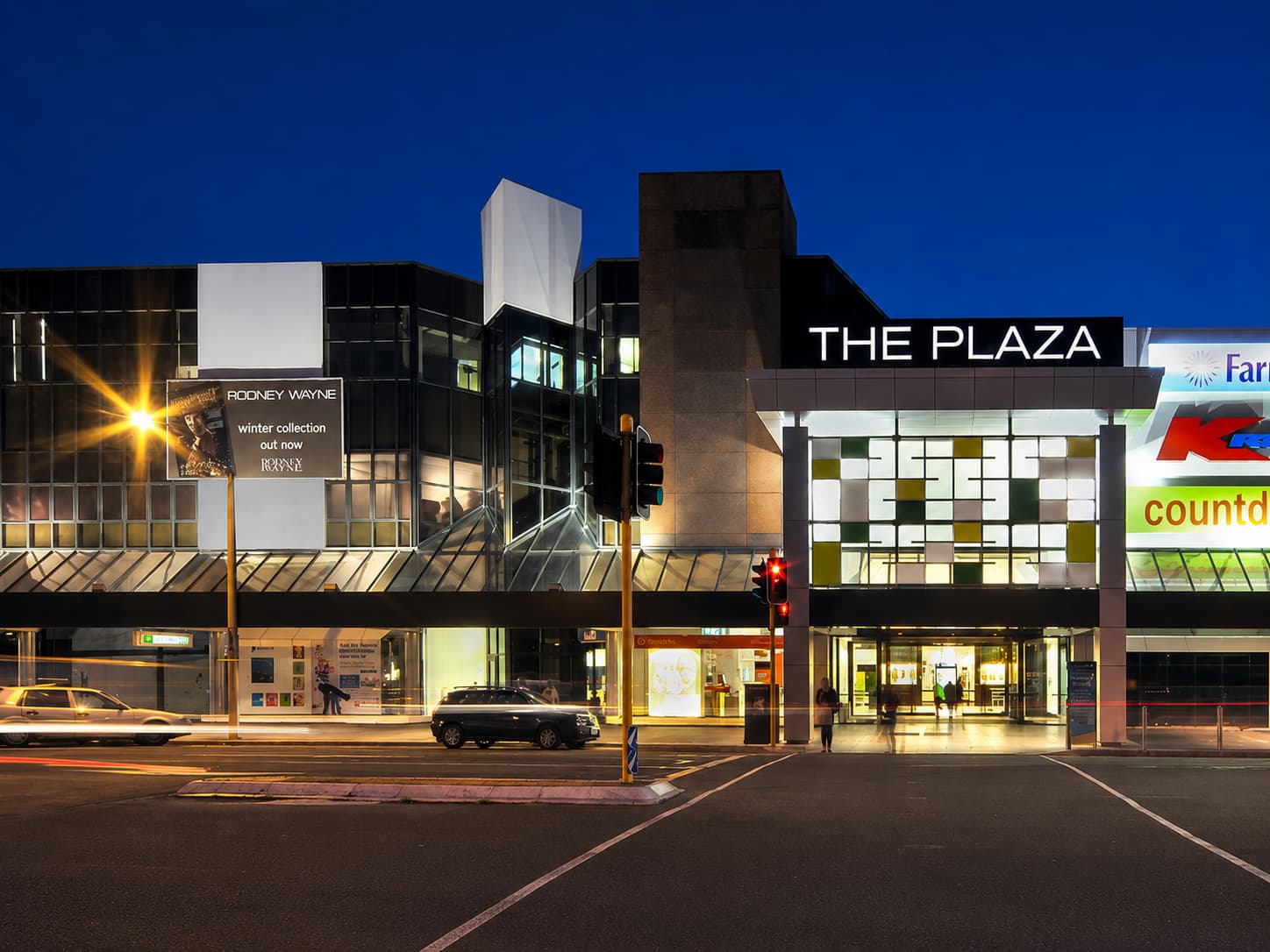
The right sign type depends on the project environment. A roadside gas station may need a tall illuminated pylon sign for long-distance visibility. A shopping center may require multi-tenant pylon signs, storefront channel letters, and wayfinding signs. A corporate entrance may prefer a lower monument sign that feels integrated with the architecture.
Main Types of Outdoor Business Signs
Pylon Signs for Long-Distance Visibility
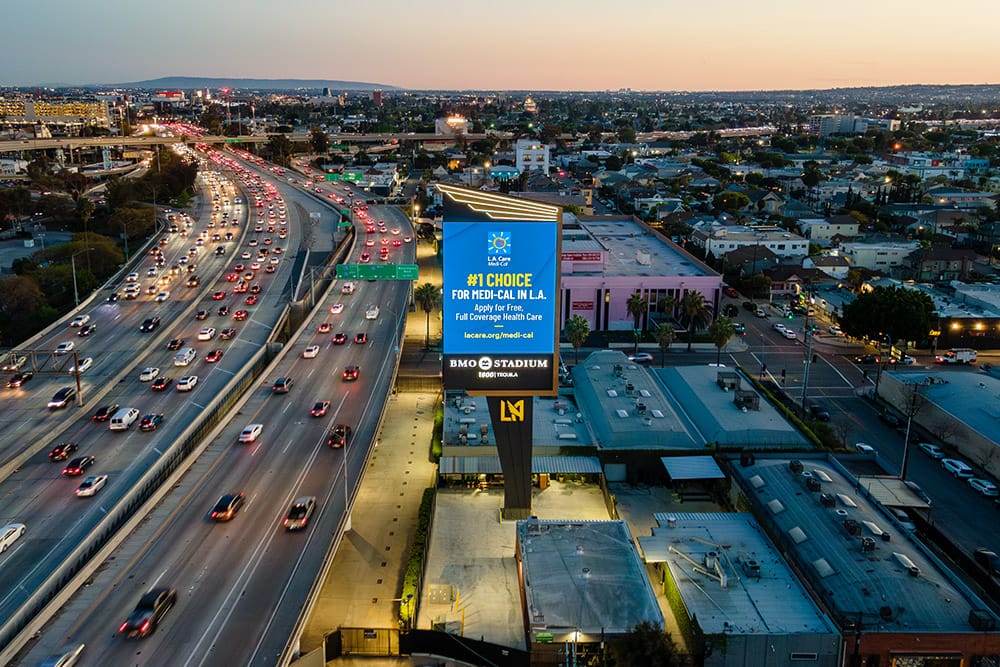
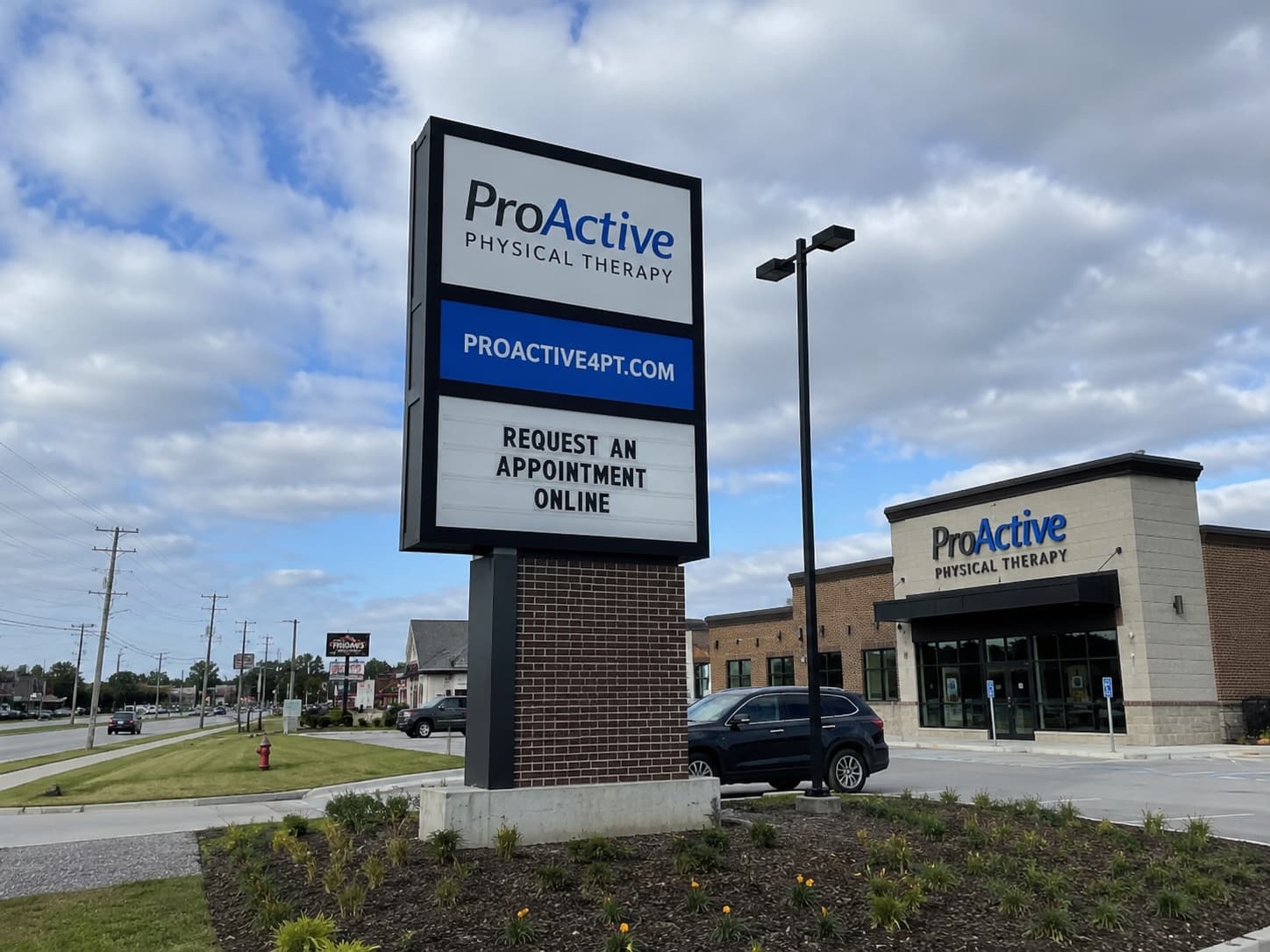
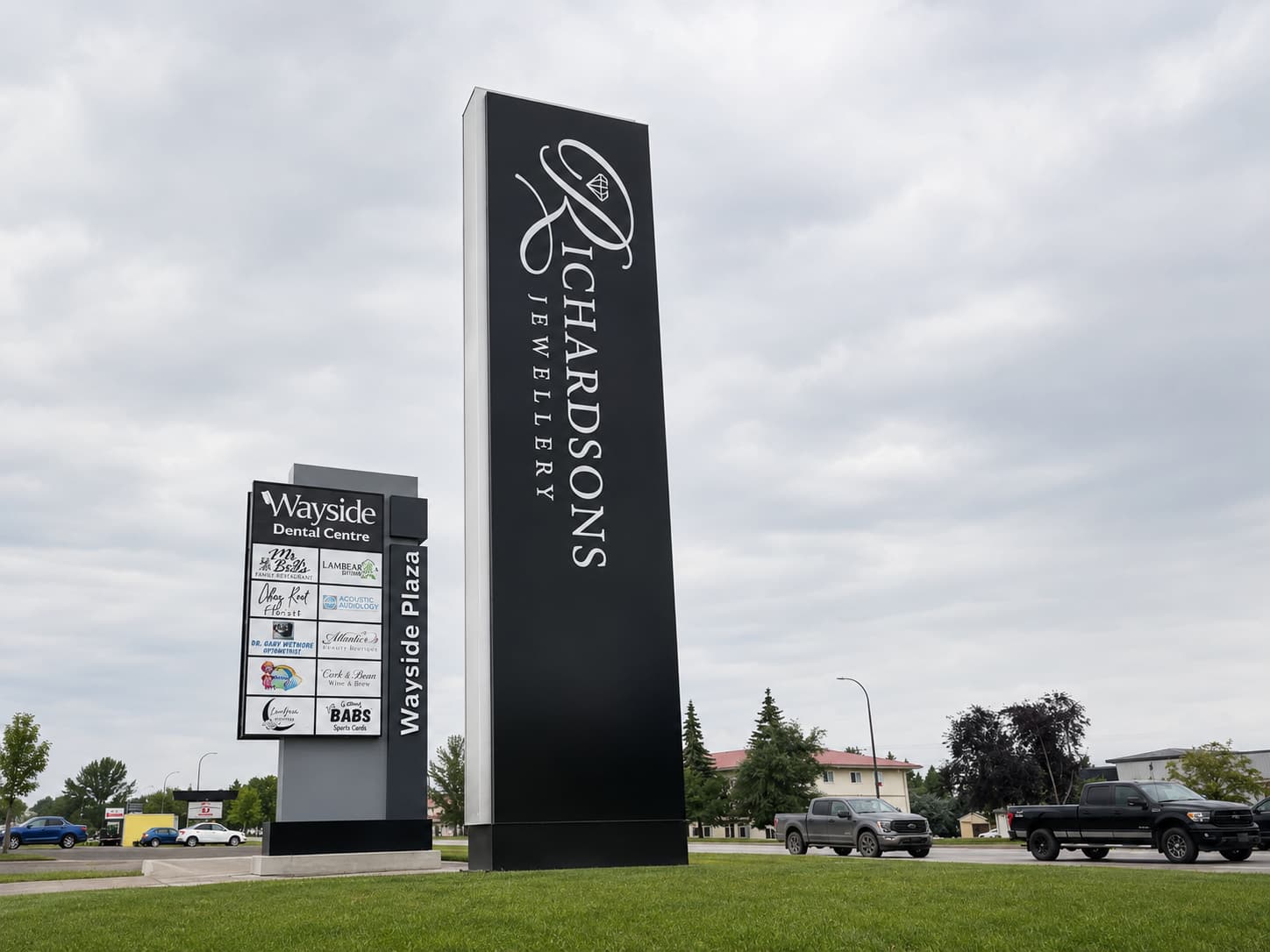
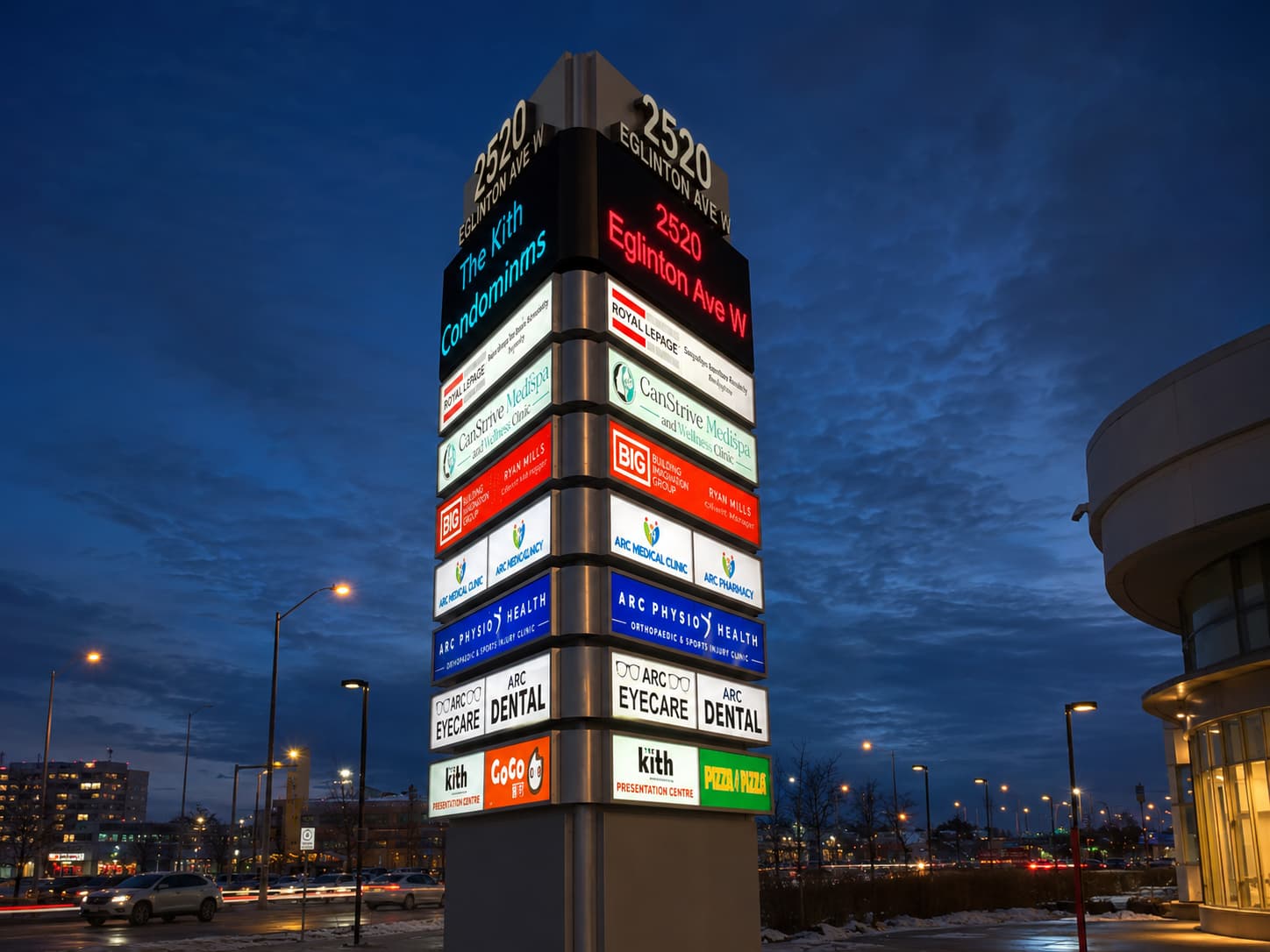
Pylon signs are freestanding signs supported by a pole or structural frame. They are often used for gas stations, retail plazas, hotels, restaurants, car washes, and roadside businesses where visibility from a distance is important.
Custom pylon signs can include illuminated sign cabinets, acrylic sign faces, polycarbonate sign faces, aluminum cabinets, internal steel structures, LED modules, and digital price displays. For gas station pylon signs, the design may also include LED price boards, brand panels, service icons, and replaceable sign faces.
For large outdoor pylon signs, buyers should not evaluate only the front design. Structure, cabinet depth, maintenance access, wind load considerations, electrical layout, and local installation requirements can all affect the final result.
Monument Signs for Entrances and Commercial Properties
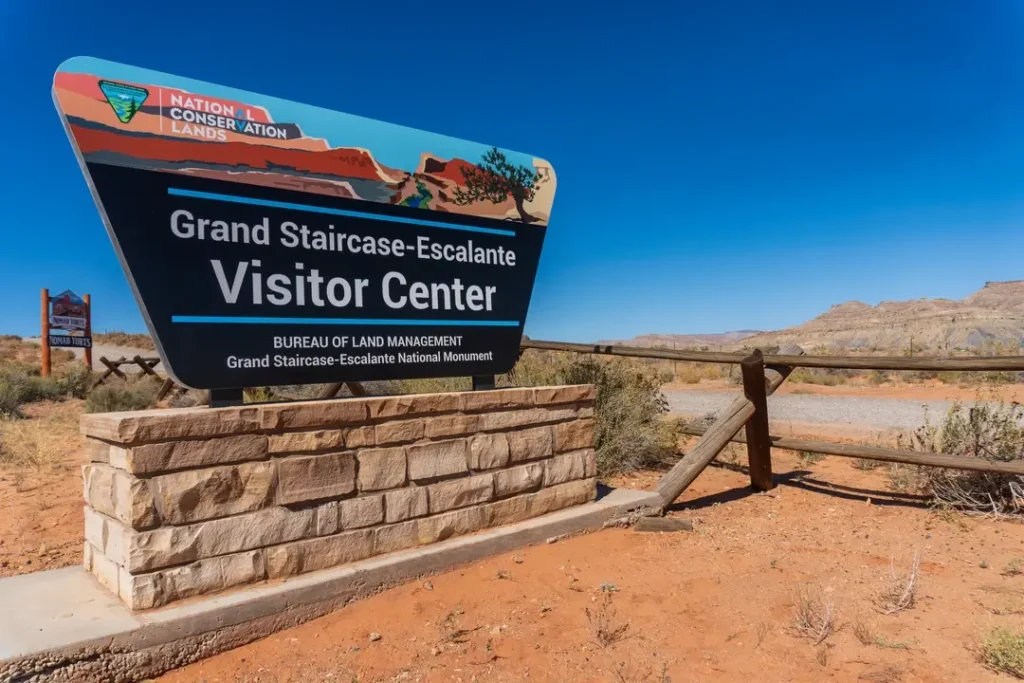
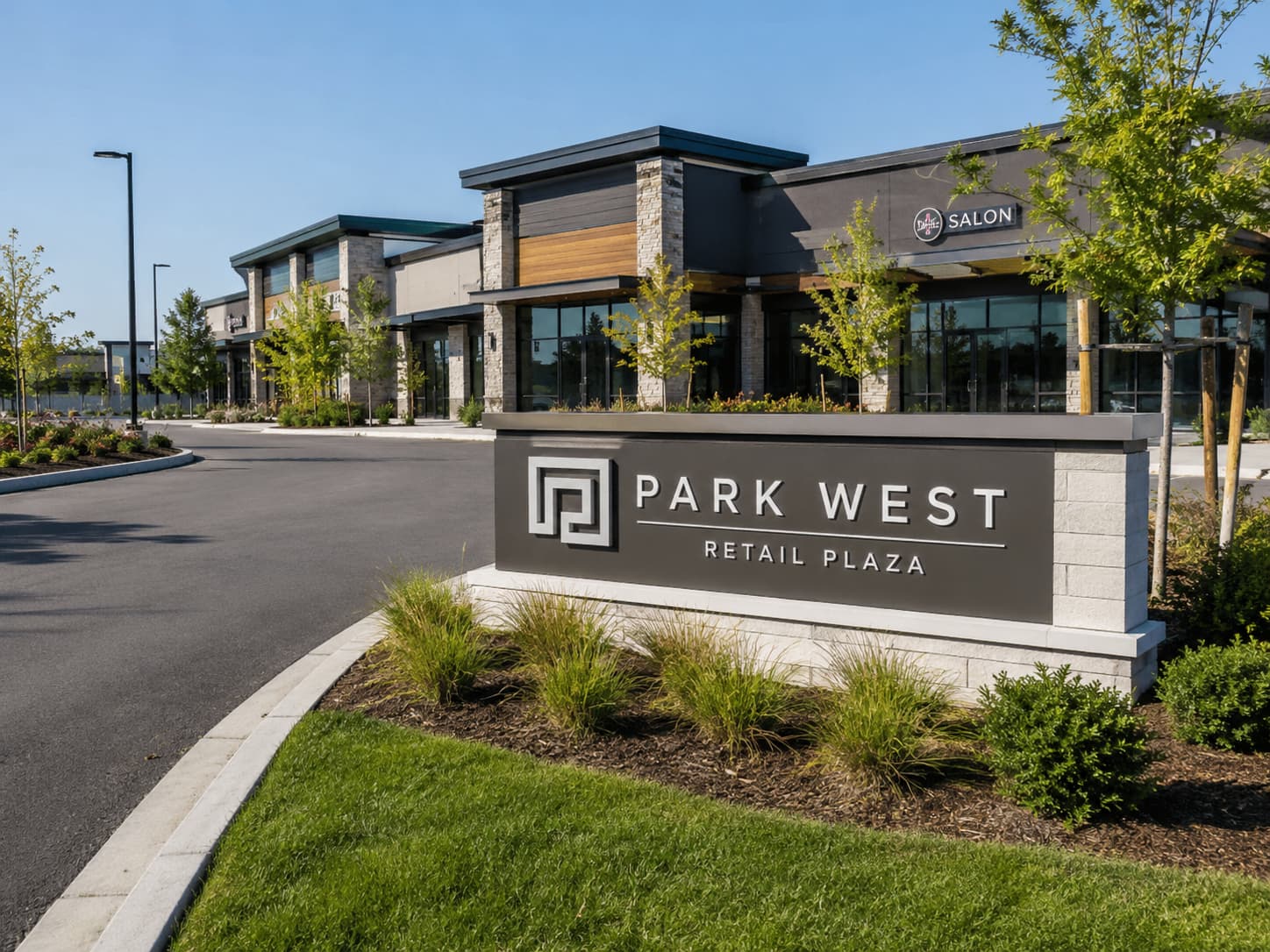
Monument signs are ground-level signs commonly used at entrances to commercial properties, business parks, hotels, schools, hospitals, and residential communities. Compared with pylon signs, monument signs usually have a lower profile and a more architectural appearance.
A monument sign can be made with aluminum panels, acrylic push-through letters, stone or brick-style bases, internal LED lighting, external lighting, or routed sign faces. For commercial property owners and developers, monument signs help create a stable and professional entrance identity.
LED Channel Letters for Storefront Branding
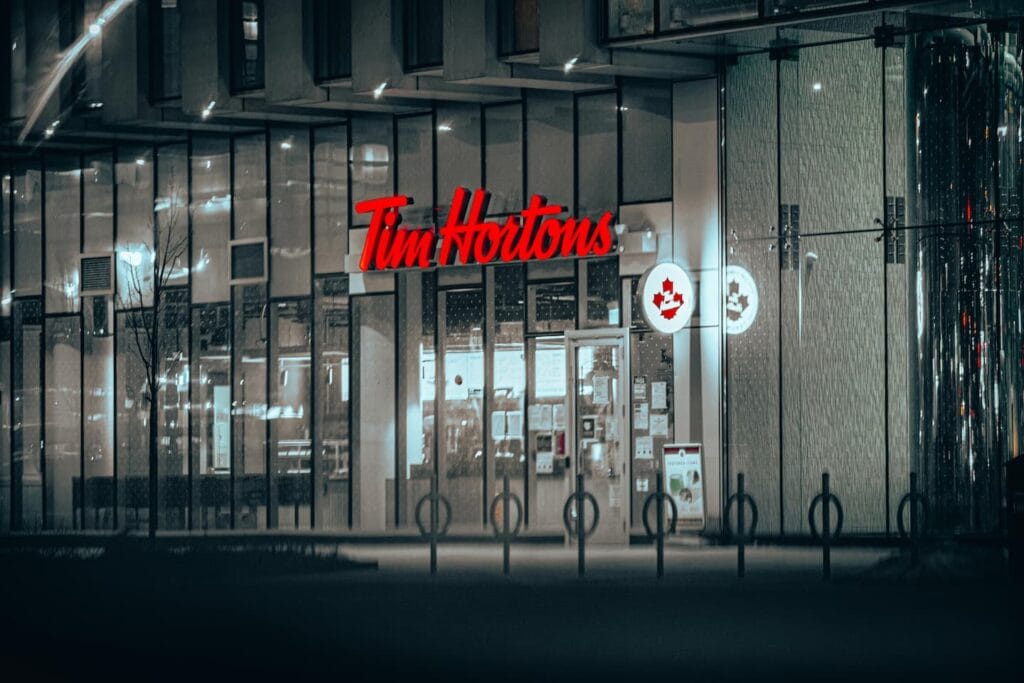
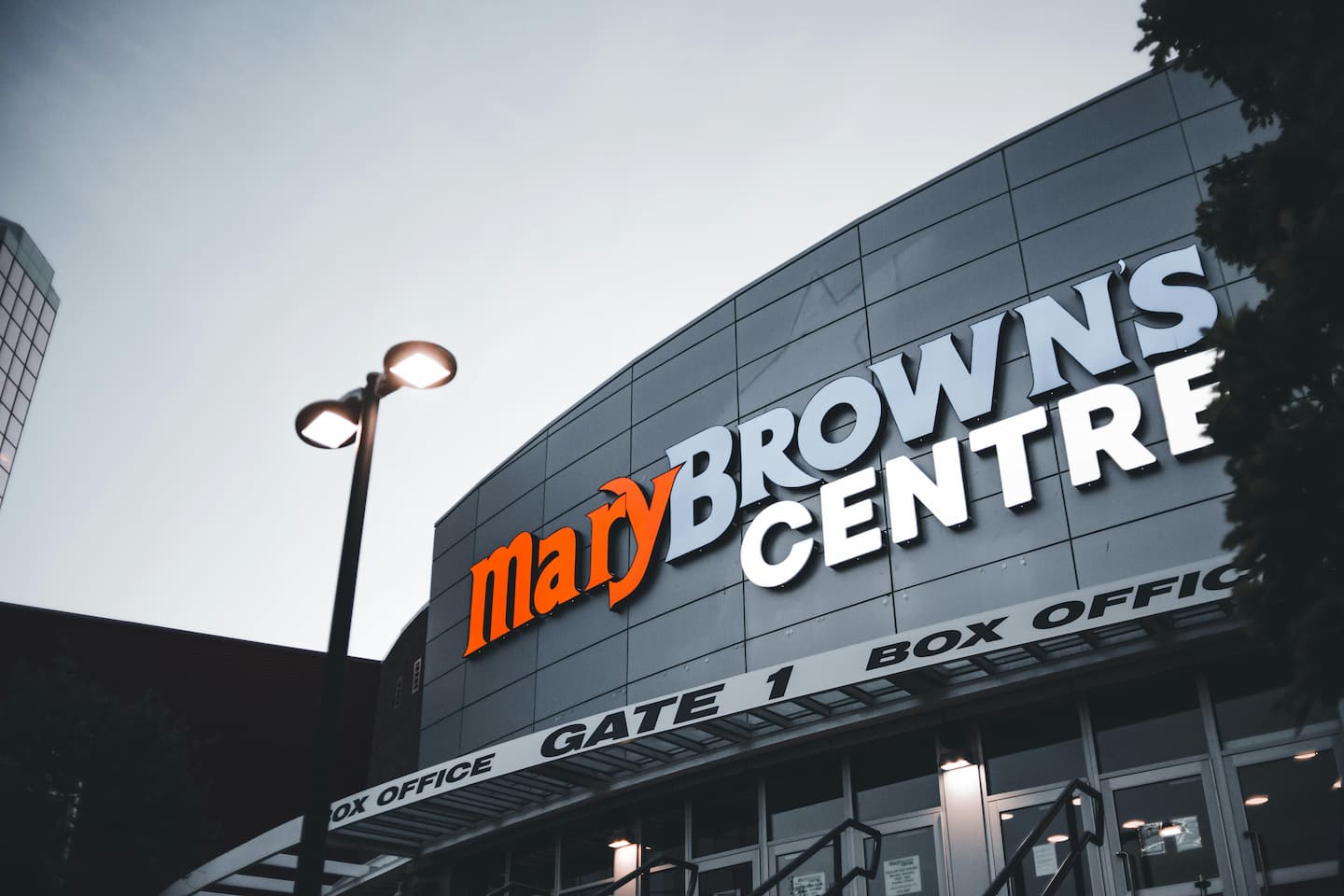
LED channel letters are three-dimensional letters commonly installed on storefronts, malls, restaurants, fuel station buildings, and retail façades. They can be front-lit, halo-lit, open-face, or non-illuminated depending on the brand style and project environment.
The quality of LED channel letters depends on more than the letter shape. Important details include aluminum returns, acrylic faces, trim caps, LED module layout, wiring, color consistency, and installation method. For chain stores or brand projects, consistent color and lighting effect across locations can be especially important.
Wayfinding Signs for Navigation
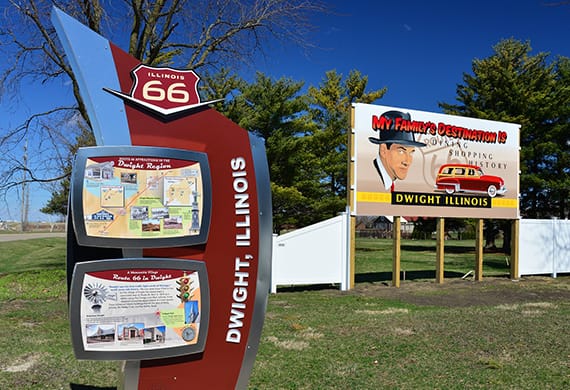
Wayfinding signs help visitors move through commercial spaces. They may include entrance signs, directional signs, parking signs, building identification signs, restroom signs, tenant directories, and safety-related signs.
For large properties such as shopping centers, hospitals, campuses, hotels, and commercial buildings, wayfinding signage should be easy to read, consistent in style, and planned as part of the overall signage system.
Sign Applications and Key Design Priorities
| Application | Recommended Sign Types | Key Design Priorities |
|---|---|---|
| Gas stations | Pylon signs, gas station price signs, canopy signs, LED channel letters | Long-distance visibility, night readability, digital price display, brand consistency |
| Retail plazas | Multi-tenant pylon signs, storefront signs, monument signs, wayfinding signs | Tenant visibility, readable layout, durable materials, easy maintenance |
| Restaurants and cafés | Channel letters, wall signs, pylon signs, window signs | Brand recognition, lighting effect, storefront visibility |
| Hotels and commercial buildings | Monument signs, building signs, wayfinding signs | Entrance identity, architectural style, navigation |
| Car washes and roadside businesses | Pylon signs, illuminated signs, directional signs | Roadside visibility, simple messaging, weather resistance |
| Business parks and campuses | Monument signs, directory signs, wayfinding signs | Consistent design system, clear navigation, long-term durability |
Key Design Factors: Visibility, Height, Lighting, and Readability
Outdoor business signs should be designed around how people actually see them. A sign viewed by drivers from a road has different requirements from a sign viewed by pedestrians near a storefront.
For pylon signs for business, height and viewing distance are important. A taller sign may improve visibility, but structural requirements, local regulations, and installation conditions must be confirmed before production. For storefront signs, letter size, contrast, lighting style, and mounting position affect readability.
Night readability is another major factor. Illuminated pylon signs, LED channel letters, and lightbox signs should be designed to avoid dark areas, uneven brightness, or glare. The final lighting effect depends on LED modules, cabinet depth, face material, diffusion, wiring, and sign layout.
Pro Tip
For outdoor business signs, do not judge the design only from a front-view rendering. Buyers should also confirm viewing distance, night readability, installation environment, maintenance access, and local project requirements before production.
Materials Used in Outdoor Business Signs
Material selection affects durability, lighting performance, weight, appearance, and maintenance. For B2B projects, materials should be selected according to the sign type, installation environment, lighting requirement, and expected service conditions.
| Component | Common Materials or Options | Why It Matters |
|---|---|---|
| Main structure | Steel pole, steel frame, internal support | Supports large outdoor signs and project-specific structural needs |
| Sign cabinet | Aluminum cabinet, fabricated metal cabinet | Affects weight, durability, appearance, and maintenance access |
| Sign face | Acrylic sign faces, polycarbonate sign faces, aluminum panels | Affects light diffusion, impact resistance, color effect, and outdoor use |
| Lighting | LED modules, LED strips, digital display components | Affects night visibility, energy use, brightness uniformity, and maintenance |
| Surface finish | Paint, powder coating, vinyl graphics, printed graphics | Affects brand color presentation and weather exposure |
| Sealing details | Silicone sealing, gaskets, drainage design | Helps reduce water ingress and long-term maintenance issues |
Acrylic sign faces are often used for illuminated signs because they can provide good color and light diffusion. Polycarbonate sign faces may be considered when impact resistance is a higher priority. Aluminum cabinets are widely used for outdoor sign structures because they offer a balance of fabrication flexibility and outdoor durability.
Lighting and Illumination Options
Lighting is one of the most important differences between basic signage and professional commercial signage. Outdoor signs may use internal LED lighting, front-lit letters, halo-lit letters, open-face lighting, external wash lighting, or digital LED price displays.
For gas station signage, lighting is especially important because customers often make quick decisions from the road. A gas station pylon sign may need clear brand panels, readable LED price boards, and consistent illumination across the sign face.
For LED channel letters, the lighting effect depends on the LED module layout, letter depth, acrylic face, return color, and installation background. A poor LED layout can create hotspots, shadows, or uneven brightness.
Pro Tip
For illuminated signs, the final effect depends on more than LED brightness. Sign face material, LED spacing, cabinet depth, diffusion, color consistency, graphics, wiring layout, and weatherproof sealing all affect long-term readability and maintenance.
Fabrication Details That Affect Long-Term Performance

Many outdoor business signs look similar in a rendering, but their quality can differ significantly during fabrication. For B2B buyers, this is where working with a custom signage manufacturer becomes important.
A professional sign fabrication process may include drawing review, material selection, structure breakdown, aluminum cabinet fabrication, steel structure preparation, surface finishing, LED layout planning, wiring, pre-assembly checking, and packaging for shipment.
Export packaging is another important detail for overseas B2B buyers. Large sign cabinets, pylon sign parts, acrylic faces, and LED components should be protected during transport. Packaging methods should be discussed based on sign size, material, shipment method, and destination requirements.
Need help choosing materials, lighting, or structure? Grandview Sign Factory can support custom signage fabrication based on your project drawings, reference images, and installation requirements.
Common Outdoor Signage Problems and How to Avoid Them
| Common Problem | Possible Cause | How Buyers Can Reduce Risk |
|---|---|---|
| Poor night readability | Weak lighting layout, low contrast, unsuitable face material | Confirm LED layout, face material, letter size, and viewing distance |
| Uneven illumination | LED spacing, cabinet depth, diffusion issues | Request lighting review before production |
| Water ingress | Inadequate sealing or drainage | Discuss weatherproof sealing, access doors, and drainage details |
| Difficult maintenance | Poor cabinet access or wiring layout | Confirm maintenance access during design stage |
| Color inconsistency | Different materials, paint batches, or lighting conditions | Confirm color samples, material samples, and brand color references |
| Shipping damage | Weak packaging or poor internal protection | Discuss export packaging for large sign components |
What to Prepare Before Requesting a Custom Signage Quote
A clear inquiry helps the manufacturer provide a more practical recommendation and quotation. Before requesting a custom sign quote, prepare as much project information as possible.
| Information to Prepare | Why It Helps |
|---|---|
| Logo file in AI, EPS, PDF, or high-resolution format | Helps evaluate shape, color, and fabrication method |
| Sign type or reference image | Helps clarify whether the project needs pylon signs, monument signs, channel letters, or wayfinding signs |
| Size and installation location | Helps estimate structure, material, lighting, and packaging |
| Site photos or architectural drawings | Helps evaluate visibility, mounting method, and project context |
| Lighting requirement | Helps decide front-lit, backlit, cabinet lighting, or digital display |
| Indoor or outdoor environment | Helps select materials, sealing, and surface finish |
| Quantity and project schedule | Helps plan production, packaging, and communication |
Have a BOQ, architectural drawing, or reference image? Send it to Grandview Sign Factory and our team can help evaluate sign type, materials, lighting, and fabrication options for your project.
Why Work with a Custom Signage Manufacturer?
For standard small signs, a local supplier may be enough. But for commercial projects, gas station signage, retail plaza signs, custom pylon signs, LED channel letters, and multi-location brand signage, working with a custom signage manufacturer can provide more flexibility.

A manufacturer can help review drawings, break down structures, select sign face materials, plan LED layout, fabricate aluminum cabinets, prepare sign components, and support project-based packaging. This is especially useful for sign companies, contractors, brand owners, developers, and advertising signage distributors who need customized solutions instead of generic products.
Grandview Sign Factory focuses on custom commercial signage for international B2B projects, including pylon signs, gas station price signs, LED channel letters, monument signs, illuminated signs, sign cabinets, and sign faces.
FAQ
Common types include pylon signs, monument signs, LED channel letters, illuminated sign cabinets, wayfinding signs, directional signs, gas station price signs, and storefront signs. The right choice depends on visibility needs, installation location, branding requirements, and project environment.
Pylon signs are usually better for long-distance visibility, roadside businesses, gas stations, and retail plazas. Monument signs are better for entrances, commercial properties, hotels, parks, and locations where a lower architectural sign is preferred.
Yes. LED channel letters are widely used for outdoor storefronts, restaurants, retail stores, and commercial buildings. Buyers should confirm letter size, face material, LED layout, installation method, and weather exposure before production.
Common materials include steel structures, aluminum cabinets, acrylic sign faces, polycarbonate sign faces, aluminum panels, LED modules, vinyl graphics, printed faces, and painted or powder-coated surfaces. The best material combination depends on the sign type and project requirements.
Cost can be affected by size, structure, materials, lighting, sign face type, finish, quantity, packaging, and project complexity. Structural and installation requirements are often project-specific and may depend on local code or engineering review.
Yes. Custom business signs can be made with brand logos, specific colors, acrylic or polycarbonate faces, LED lighting, digital displays, routed panels, push-through letters, and other project-specific details. Buyers should provide logo files, color references, drawings, and application details.
Prepare your logo file, sign size, quantity, sign type, installation location, lighting requirement, reference image, site photo, drawing, or BOQ if available. Clear project information helps the manufacturer provide a more accurate recommendation and quotation.
Conclusion
Outdoor business signs play an important role in commercial visibility, brand recognition, navigation, and night-time readability. For B2B projects, choosing the right sign is not only about appearance. Buyers should also consider sign type, viewing distance, lighting effect, sign face material, cabinet structure, weatherproof sealing, maintenance access, and fabrication quality.
Whether your project requires custom pylon signs, gas station price signs, LED channel letters, monument signs, illuminated signs, or a complete commercial signage system, careful planning can reduce design mistakes and improve long-term performance.
Grandview Sign Factory supports international B2B buyers with custom signage fabrication for commercial projects. Send your logo, size, installation location, reference image, drawing, or project requirements to discuss a custom signage solution.
References and Further Reading
The following neutral resources are provided for readers who want to review general signage terminology, sign codes, electric sign safety references, sign lighting considerations, outdoor structural criteria, wayfinding and accessibility guidance, and material information for acrylic and polycarbonate sign faces. They are included to support technical understanding, not to compare competitor pricing or product claims.
International Sign Association — Glossary of Sign Terms
Useful for reviewing common signage terminology such as sign faces, cabinets, channel letters, electric signs, freestanding signs, directional signs, illumination, and sign structures. View source
International Sign Association — Sign Codes and Regulations
Helpful background for understanding why outdoor business sign projects may need to consider local sign codes, permitting, height limits, location requirements, illumination rules, and project-specific review. View source
International Sign Association — Sign Lighting
Useful for understanding the role of illuminated signs in visibility, wayfinding, communication, night readability, and commercial signage planning. View source
UL Solutions — Electric Sign and Sign Component Manufacturers
Useful for readers who want to understand general electric sign safety references, including electric signs, sign components, LED sign kits, retrofit kits, and related electrical compliance considerations. View source
FHWA — Manual on Uniform Traffic Control Devices
Although outdoor business signs are different from official traffic control devices, this resource provides useful background on signing, road user guidance, visibility, symbols, and communication in traffic environments. View source
ASCE — ASCE/SEI 7 Minimum Design Loads and Associated Criteria
Helpful background for understanding why large outdoor freestanding signs, pylon signs, sign structures, and roadside signage projects should consider project-specific design loads, including wind-related requirements. View source
U.S. Access Board — Guide to the ADA Accessibility Standards: Signs
Useful background for understanding accessible sign communication, visual characters, tactile content, room identification, and wayfinding considerations in commercial buildings and public facilities. View source
ASTM International — PMMA Acrylic Plastic Sheet Specification
Useful for understanding PMMA acrylic sheet specification language, which may relate to acrylic sign faces used in illuminated sign cabinets, pylon signs, channel letters, and commercial signage projects. View source
ACRYLITE® — Flat Sign Faces
Useful for reviewing how acrylic flat sign faces are commonly used in sign cabinets and pylon signs, including general application context for acrylic sign face materials. View source
Covestro — Makrolon® Polycarbonate Material Information
General material information for polycarbonate, including transparency, impact resistance, dimensional stability, heat resistance, and lightweight properties that may help buyers understand polycarbonate sign face options. View source
Note: Outdoor business sign selection and commercial signage requirements can vary by location, local code, installation method, electrical design, material grade, lighting requirements, sign cabinet structure, wind exposure, maintenance access, accessibility needs, and environmental conditions. Buyers should confirm project-specific details with their signage supplier, installer, engineer, or local authority before production and installation.